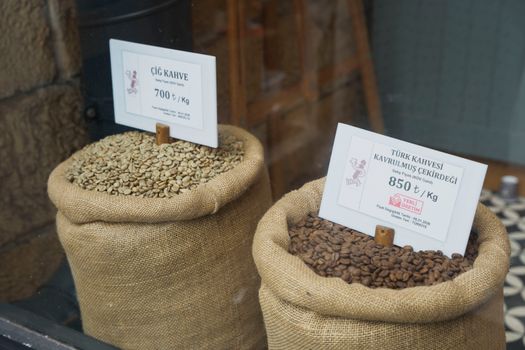
Coffee is more than a morning ritual—it’s a global commodity that shapes economies, cultures, and the daily lives of over 2.25 billion people who consume it each day. But behind your favorite cup lies a complex web of ethical considerations. From labor conditions on coffee farms to the impact of trade policies and environmental sustainability, the journey of coffee from bean to cup is fraught with ethical challenges and opportunities for positive change. In this article, we dive deep into the ethical landscape of coffee production and trade, exploring what’s at stake and how consumers, producers, and businesses can make more responsible choices.
The Human Cost: Labor Practices on Coffee Farms
Coffee is predominantly grown in developing countries, with Brazil, Vietnam, Colombia, and Ethiopia leading the way. The industry employs over 125 million people worldwide, most of whom are smallholder farmers and laborers. However, the reality for many workers is far from ideal.
Low wages remain a critical problem. According to the International Coffee Organization, the average coffee farmer receives only 7-10% of the retail price of coffee. In some instances, daily earnings can be as low as $2, which is below the poverty line. In addition, child labor is a persistent issue, especially in regions where regulatory oversight is weak. The U.S. Department of Labor reports that child labor is present in at least 17 coffee-producing countries.
.png)
Worker safety is another concern. Exposure to agrochemicals, lack of protective equipment, and long hours in harsh environments are common. For example, a study by Fairtrade International found that 43% of surveyed coffee farm workers had no access to protective gear when handling pesticides. These realities highlight the need for fair wages, decent working conditions, and strict enforcement of labor rights.
Environmental Impact: Sustainability Challenges and Solutions
Coffee farming can have significant environmental consequences. Traditional cultivation methods often involve clearing forests to make way for large plantations, resulting in deforestation and loss of biodiversity. According to the World Wildlife Fund, about 2.5 million acres of forest are cleared every year for coffee farming.
Water usage is another pressing issue. Processing coffee cherries requires large quantities of water—up to 140 liters per cup, including the water used for growing, processing, and brewing. This strains local water resources, particularly in regions already facing water scarcity.
Pesticide and fertilizer use also contribute to soil degradation, water pollution, and harm to wildlife. In response, sustainable farming practices such as shade-grown coffee, organic cultivation, and agroforestry are gaining traction. Certification programs like Rainforest Alliance and Fairtrade encourage farmers to adopt environmentally friendly methods, protecting ecosystems while improving livelihoods.
Economic Inequality and Pricing: Who Really Profits?
The global coffee market is valued at over $100 billion annually, but the distribution of profits is highly uneven. While multinational companies and retailers reap significant rewards, smallholder farmers often struggle to cover production costs.
The volatility of coffee prices on international markets exacerbates this issue. For instance, between 2016 and 2019, the average price of Arabica coffee dropped from $1.32 to $0.99 per pound, pushing many farmers into debt or out of business. This instability is driven by factors such as weather events, speculation, and changes in consumer demand.
To address these disparities, some initiatives promote direct trade relationships, enabling farmers to negotiate better prices and secure long-term contracts. Cooperatives also play a crucial role, helping farmers pool resources, access markets, and improve bargaining power.
Below is a comparative table illustrating the average share of retail price received by stakeholders in the coffee supply chain:
| Stakeholder | Average Share of Retail Price |
|---|---|
| Smallholder Farmers | 7-10% |
| Exporters | 8-10% |
| Importers/Roasters | 55-60% |
| Retailers | 15-20% |
This data highlights the stark imbalance in the coffee value chain and underscores the importance of ethical sourcing and equitable trade.
Certification Systems: Do They Make a Difference?
Certification programs have emerged as a popular solution to address ethical concerns in coffee production and trade. The most widely recognized certifications include Fairtrade, Rainforest Alliance, and UTZ. Each focuses on different aspects of sustainability, from fair wages to environmental protection.
Fairtrade, for example, guarantees a minimum price for coffee, which in 2023 was set at $1.40 per pound for Arabica beans, plus a premium for community development projects. Rainforest Alliance certification requires farms to meet rigorous environmental and social standards, such as protecting wildlife habitats and ensuring safe working conditions.
However, certifications are not a panacea. Critics argue that certification fees and compliance costs can be burdensome for small farmers. In some cases, certified coffee can account for as little as 10-15% of a farmer’s total yield, limiting the overall impact. Furthermore, not all certifications are created equal—some have more stringent requirements and auditing processes than others.
Despite these challenges, certification programs have helped raise awareness and set industry benchmarks. According to Statista, over 25% of global coffee production was certified as sustainable in 2022, a significant increase from just 10% a decade earlier.
The Role of Consumers and Businesses in Driving Change
Ethical coffee production and trade don’t rest solely on the shoulders of farmers—consumers and businesses play a pivotal role. Purchasing decisions made at the café or supermarket can send powerful signals up the supply chain.
A 2021 Nielsen survey found that 73% of global consumers are willing to pay more for products that are sustainably sourced. As a result, major coffee retailers like Starbucks and Nestlé have committed to sourcing 100% of their coffee from ethical or sustainable sources by 2025.
Transparency is also gaining momentum. Companies are increasingly sharing information about their sourcing practices, farm origins, and labor standards. Digital traceability tools, such as QR codes on packaging, allow consumers to track the journey of their coffee from farm to cup.
For businesses, embracing ethical practices can enhance brand reputation, foster customer loyalty, and create more resilient supply chains. For consumers, making informed choices—such as buying certified coffee or supporting local roasters who engage in direct trade—can help promote fairer and more sustainable coffee production.
Challenges and the Path Forward
Despite progress, significant challenges remain in making coffee production and trade truly ethical. Barriers include the high cost of certification, the complexity of global supply chains, and entrenched economic inequalities. Climate change also poses a growing threat, affecting crop yields and farmer livelihoods.
Collaborative action is key. Governments, NGOs, private companies, and consumers must work together to improve labor standards, support sustainable farming, and ensure fair pricing. Innovative models, such as blockchain-based supply chain tracking and farmer-led cooperatives, offer new avenues for building a more equitable coffee sector.
Education and advocacy also matter. By raising awareness of the ethical issues behind coffee, we can empower more people to demand change—one cup at a time.
Conclusion
The ethical considerations of coffee production and trade are as complex as they are crucial. From labor rights and environmental protection to economic justice and consumer responsibility, every step in the coffee journey involves choices that impact people and the planet. By supporting ethical sourcing, advocating for fair trade, and making informed purchasing decisions, we can help ensure that the world’s favorite beverage is produced with respect for both humanity and nature. The next time you enjoy a cup of coffee, remember the story behind it—and the power you hold to make a difference.