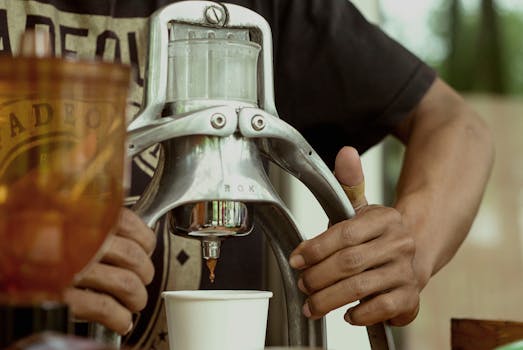
Getting Started with Home Coffee Brewing
Brewing exceptional coffee at home is both a science and an art form that anyone can master with a bit of knowledge and practice. Whether you're a coffee aficionado or a beginner eager to refine your morning brew, this guide will walk you through everything from selecting the best coffee beans to choosing the right brewing techniques. Let's begin your journey to making barista-level coffee in the comfort of your home.
Selecting Quality Coffee Beans
.png)
The foundation of a great cup of coffee is the quality of the beans. Coffee beans come in various flavors and profiles, influenced by their origin, species, and roasting:
- Bean Type: Arabica beans are favored for their aromatic, intricate flavor profiles, while Robusta beans are valued for their strong taste and higher caffeine content.
- Freshness: Purchase coffee beans as close to their roasting date as possible. Fresh beans will give you a more flavorful and aromatic cup.
- Roast Level: From light to dark roasts, choose a roast that suits your taste preference. Light roasts are generally more acidic and retain the original flavors of the bean, whereas dark roasts are smoother and have a more pronounced bitterness.
Proper Grinding Techniques
Grinding coffee is crucial for flavor extraction:
- Grind Size: The size should correspond to your brewing method—fine for espresso, medium for drip, and coarse for French press.
- Grinder Type: A burr grinder is preferable over a blade grinder for consistent grind size and better flavor extraction.
Brewing Your Coffee
Optimal brewing considers water quality, temperature, and timing:
- Water Quality: Use clean, filtered water to avoid off-flavors.
- Temperature: The ideal temperature for brewing coffee is between 195°F and 205°F. Temperatures outside this range can lead to under or over-extraction.
- Brewing Time: Different methods require different times. Espresso might take seconds, while a French press can take several minutes.
Exploring Brewing Methods
Each brewing method offers a unique taste and experience:
- Drip Coffee: Reliable and straightforward, perfect for everyday use.
- French Press: Offers deeper flavor extraction, ideal for those who enjoy a richer brew.
- Espresso: Requires a bit more technique and a good espresso machine, but it's perfect for a robust and creamy cup.
- Pour-Over: Great for controlling brewing variables and enhancing flavor nuances.
- Cold Brew: Excellent for a smooth, low-acidity drink, especially refreshing on hot days.
Experimentation and Personalization
The beauty of brewing coffee at home is the ability to experiment with different variables to tailor your coffee to your taste. Adjust the grind size, brewing time, or even water temperature to modify the flavor profile of your brew. You can also experiment with additives like cinnamon, vanilla extract, or nutmeg to spice up your coffee routine.
Conclusion
Mastering home coffee brewing enriches your daily routine and deepens your appreciation for coffee. By focusing on the quality of your beans, fine-tuning your grinding process, and mastering the brewing techniques, you can achieve exceptional coffee at home. Experimentation is key—each adjustment can lead you to a more personalized and perfect cup. So start brewing, and enjoy the delicious rewards of your coffee making journey!