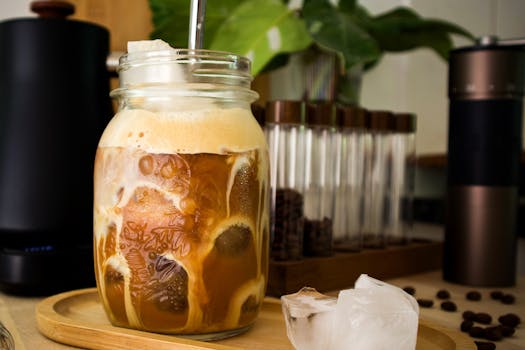
The Explosion of Cold Brew: Why It's More Than Just a Trend
The world of coffee is no stranger to innovation, but few developments have captured the imagination—and taste buds—of consumers quite like cold brew coffee. Once a niche offering, cold brew has rapidly become a staple at coffee shops, grocery stores, and even in home kitchens. But is cold brew just another fleeting coffee craze, or does its meteoric rise signal something deeper? In this article, we’ll explore the explosive growth of cold brew, the science and flavor behind its popularity, its economic impact, and why it represents more than just a passing trend in the ever-evolving coffee landscape.
The Meteoric Rise of Cold Brew: By the Numbers
Cold brew coffee’s growth over the past decade has been nothing short of remarkable. According to the National Coffee Association’s 2023 National Coffee Data Trends report, 20% of American coffee drinkers reported enjoying cold brew in the past week—a dramatic leap from just 8% in 2017. In the United States alone, the retail cold brew market was valued at $321 million in 2022, and industry analysts project it will reach nearly $1.37 billion by 2027, expanding at a compound annual growth rate (CAGR) of over 25%.
What’s driving this surge? Several key factors:
- Millennials and Generation Z are leading the charge, with 42% of 18-24-year-olds preferring cold coffee beverages over hot. - Ready-to-drink (RTD) options have proliferated, making cold brew more accessible than ever. - Major brands like Starbucks, Dunkin’, and Peet’s have heavily invested in cold brew product lines, further normalizing its consumption.This explosive growth isn’t limited to cafes. Supermarket shelves now teem with cold brew bottles, cans, and concentrates, and home brewing kits have seen a 300% increase in sales since 2020, according to market research firm IRI.
.png)
What Makes Cold Brew Different? The Science and Sensory Experience
At its core, cold brew is distinct from traditional iced coffee not just in temperature, but in process and flavor. While iced coffee is typically hot-brewed and then cooled, cold brew is made by steeping coarse-ground coffee in cold water for 12 to 24 hours. This slow extraction process yields a beverage that is smoother, less acidic, and often slightly sweeter than its hot-brewed counterparts.
Why does this method matter? Cold water extracts fewer of the bitter compounds and acids present in coffee beans, resulting in a drink that’s easier on sensitive stomachs. A 2018 study published in Scientific Reports found that cold brew coffee contains up to 67% less acidity than hot-brewed coffee.
Flavor-wise, cold brew is prized for its:
- Smooth, mellow mouthfeel - Subtle chocolate and caramel notes - Naturally sweet undertones, often without the need for added sugarThis unique profile appeals to both seasoned coffee aficionados and those who typically shy away from coffee’s traditional bitterness.
Cold Brew vs. Iced Coffee: A Side-by-Side Comparison
While cold brew and iced coffee might look similar in a glass, they are worlds apart in composition and taste. Here’s how they stack up:
| Feature | Cold Brew | Iced Coffee |
|---|---|---|
| Brewing Method | Steeped in cold water for 12-24 hours | Brewed hot, then cooled over ice |
| Acidity | Lower (up to 67% less than hot brew) | Higher |
| Caffeine Content (per 16 oz) | ~200 mg | ~165 mg |
| Flavor Profile | Smooth, sweet, chocolatey | Bolder, more acidic, sometimes bitter |
| Shelf Life | Up to 2 weeks refrigerated | Best consumed immediately |
This comparison highlights why cold brew’s gentle taste and convenience have won over a broad spectrum of drinkers, from casual sippers to caffeine connoisseurs.
Economic Impact: A Boon for Coffee Businesses
The cold brew phenomenon has proven to be more than a trend for coffee businesses—it’s a lucrative opportunity. Coffee shops that incorporate cold brew into their menu often see a rise in average ticket size, as cold brew commands a price premium of 20-30% over traditional iced coffee. For example, at major chains, a 16 oz cold brew typically retails for $4.00-$5.00, compared to $2.50-$3.50 for iced coffee.
The ready-to-drink market has also exploded. In 2022, Starbucks reported that sales of its bottled cold brew line grew by 40%, outpacing every other beverage category. Meanwhile, smaller specialty brands like Stumptown and Chameleon Coffee have found national audiences through grocery distribution.
This growth has significant ripple effects:
- Increased demand for specialty-grade beans, benefiting coffee farmers - Expansion of cold brew equipment and supply chains - Job creation in bottling, distribution, and marketing sectorsAccording to the Specialty Coffee Association, 77% of café owners now consider cold brew a year-round essential, not just a summer offering.
Why Cold Brew Resonates: Lifestyle, Health, and Versatility
Cold brew’s success isn’t just about flavor—it taps into broader cultural shifts. Today’s consumers want coffee that fits their fast-paced, health-conscious lifestyles. Cold brew delivers on multiple fronts:
- Convenience: With RTD bottles and concentrates, cold brew is grab-and-go, perfect for busy mornings or workouts. - Health Perception: Lower acidity is easier on digestion, and the smoother taste encourages drinking it black or with less sugar. - Customization: Cold brew is a blank canvas for creative add-ins—think oat milk, vanilla, or even nitrogen infusion for a creamy “nitro” effect.Social media has also played a role. The #coldbrew tag on Instagram has amassed over 1.5 million posts, with influencers and everyday drinkers sharing recipes, hacks, and eye-catching visuals that fuel the beverage’s popularity.
Sustainability and Cold Brew: The Environmental Angle
As the coffee industry grapples with sustainability, cold brew presents unique opportunities and challenges. On the plus side, cold brew is often made in bulk, reducing the need for single-use filters and energy-intensive brewing processes. Some cafes have adopted closed-loop systems, reusing grounds for composting or even as ingredients in baked goods.
However, the rise of single-serve RTD packaging poses its own environmental questions. The ready-to-drink cold brew market is dominated by plastic and aluminum containers. In response, some companies are investing in recyclable packaging or encouraging customers to refill their own bottles.
According to a 2023 report by Beverage Industry, 38% of consumers say they’re more likely to buy cold brew if it’s packaged sustainably—a number that’s expected to grow as environmental awareness increases.
The Future of Cold Brew: Innovation and Longevity
If cold brew were just a passing trend, its popularity would have plateaued by now. Instead, the market continues to innovate. We’re seeing the emergence of:
- Nitro cold brew: Infused with nitrogen for a creamy, Guinness-like mouthfeel - Flavored cold brews: From lavender to pumpkin spice, brands are experimenting with seasonal and exotic infusions - Coffee cocktails: Cold brew is making its way onto bar menus, paired with spirits for new takes on classic drinks - At-home brewing tech: Appliances designed specifically for cold brew, like the Oxo Cold Brew Coffee Maker, are flying off shelvesWith the global cold brew market projected to sustain double-digit growth through 2028, it’s clear this is more than a fleeting fad. Cold brew’s adaptability, health benefits, and economic impact have secured its place as a mainstay in the coffee world.
Conclusion
The explosion of cold brew coffee is a testament to changing consumer tastes, innovative brewing science, and broader shifts in lifestyle and health awareness. With its smooth flavor, lower acidity, and unmatched convenience, cold brew has moved far beyond the realm of summer novelty to become a year-round staple in cafes, stores, and homes worldwide. As its market continues to grow and evolve, cold brew’s staying power is undeniable—proving it’s much more than just a trend.