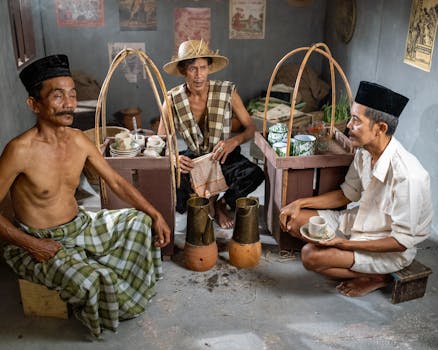
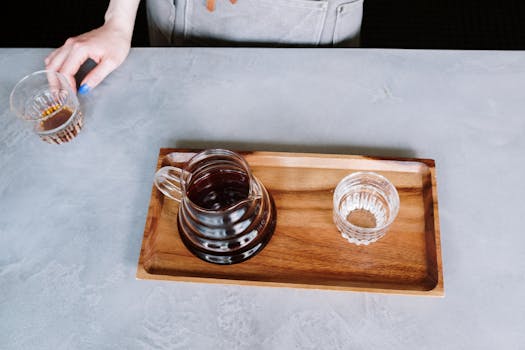
The global network of coffee shops is a testament to the universal appeal of coffee, yet each location offers a unique cultural experience, deeply entwined with the local customs and history. These establishments are not just about serving beverages; they are cultural sanctuaries that reflect and shape the social dynamics of their environments.
Historical Roots and Cultural Evolution
The origin of coffee shops traces back to the Middle East in the 15th century, a region that still regards coffee houses as pivotal social gathering spots today. In Istanbul, the first coffee house recorded in 1555 quickly became a nexus for social, political, and cultural dialogue. This model of the coffee house as a community hub spread across the world, evolving in unique ways to suit local tastes and societal needs.
European Coffee Culture
In Europe, coffee shops became the playground of the intellectual elite. The coffee houses of Vienna, now recognized by UNESCO, were not only about sipping coffee but also about birthing revolutionary ideas and artistic movements. Parisian cafes echoed this sentiment, acting as incubators for philosophical and literary movements, fostering discussions that shaped modern thought.
American Adaptations
Across the Atlantic, the American coffee shop culture has been shaped by the demands of a fast-paced lifestyle. The emergence of chains like Starbucks introduced the concept of coffee shops as part-time offices or relaxed hangouts, blending convenience with comfort. This adaptation highlights the coffee shop's role in accommodating modern life's demands while providing a space for communal interaction.
Latin American Traditions
In Latin America, coffee shops serve as showcases for local coffee traditions, reflecting the deep-rooted significance of coffee in countries like Brazil and Colombia. These establishments often focus on educating customers about the coffee production process, offering a taste of local flavors and artisanal brewing techniques, thus honoring their heritage as leading coffee producers.
Asian Variations
In Asia, the diversity in coffee shop cultures is stark. Japan’s kissaten, which emphasize minimalism and craftsmanship, contrast with Vietnam's bustling coffee spots known for their unique brews like egg coffee. Each style caters to different aspects of social life, from quiet contemplation to lively social gatherings.
Cultural Significance and Community Impact
Coffee shops also play a significant role in promoting local art and culture. Many double as venues for artistic expression, hosting performances and exhibitions that nurture the local arts scene. This aspect underscores the coffee shop's role in fostering community ties and supporting cultural ecosystems.
Conclusion
Coffee shops around the world transcend their primary function of serving drinks; they are emblematic of local identities and communal living. They adapt to and reflect the needs and traditions of their locales, making them invaluable windows into the cultures that foster and evolve them. As the global fascination with coffee continues to expand, so does the appreciation for these establishments as vital cultural and social institutions. Whether it's through the intellectual gatherings in Paris, the serene retreats in Japan, or the educational experiences in Latin America, coffee shops continue to enrich the social and cultural fabric of societies worldwide.