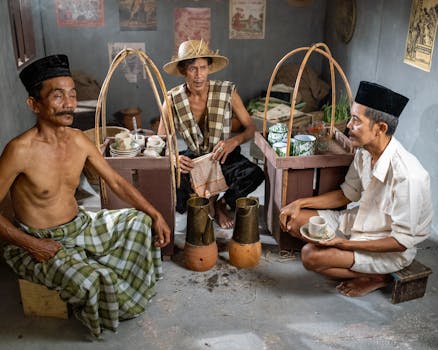
Coffee shops serve as essential cultural, social, and economic hubs in modern society. They offer more than just a place to enjoy a beverage; they are vibrant gathering spots for community interaction, work, and cultural exchange. This article delves into the various roles that coffee shops play in contemporary life.
Historical Significance
The concept of the coffee shop as a social hub is not new. Originating in the Middle East in the 15th century, coffee shops were places where people congregated to discuss politics, play games, and socialize. This tradition spread to Europe and America, where coffee shops evolved into centers of intellectual and social activity. Today, they continue to serve as crucial public spaces for meeting, working, and community engagement.
Social Interaction
Coffee shops often function as a "third space" – not home or work, but a comfortable setting for people to relax and connect. They are ideal for meetings, dates, and community events, with their inviting atmosphere fostering conversation and potentially new relationships. This role is particularly important in an increasingly digital world, offering a physical space to maintain social interactions.
Workspace Alternative
The rise of freelancing and remote work has transformed coffee shops into popular workspaces. They provide a stimulating environment with amenities like free Wi-Fi, comfortable seating, and the presence of other professionals, which can enhance motivation and creativity. For many freelancers and students, coffee shops offer a necessary escape from the isolation of home offices, sparking productivity and inspiration.
Economic Impact
Coffee shops significantly influence local economies. By sourcing products from local producers and providing employment, they support the community economically. Furthermore, strategically located coffee shops can increase foot traffic, benefiting surrounding businesses and even playing a role in neighborhood revitalization by attracting more visitors and other businesses.
Cultural Contributions
Many coffee shops actively engage with culture by hosting events such as live music, art exhibitions, and poetry readings. These events provide a platform for local artists and musicians while enriching the community's cultural life. The design and ambiance of coffee shops also contribute to the local culture, reflecting and enhancing the neighborhood's character and appeal.
Commitment to Sustainability
Increasingly, coffee shops are embracing sustainable practices. From using biodegradable cups to offering plant-based milk options, these businesses are reducing their environmental footprint while setting a standard for responsible practices in the community.
Conclusion
Coffee shops are more than just places to grab a coffee; they are vital to the fabric of modern society. They provide spaces for socializing, working, cultural expression, and economic support. As society evolves, the role of coffee shops is likely to grow, continuing to shape our social and cultural landscapes in significant ways. Whether it's for a quick coffee, a productive work session, or a cultural event, coffee shops offer a welcoming space for everyone, underscoring their enduring relevance and importance.