For many coffee lovers, the allure of the coffee shop is about more than just the beverage—it’s the ambiance, the ritual, and that sense of daily indulgence. But what if you could capture that same feeling right in your own kitchen? Creating your own coffee shop experience at home is not only possible, but can be deeply satisfying, highly customizable, and even cost-effective over time. From design inspiration to barista-level skills and personalized touches, this guide will take you through everything you need to transform your daily cup into a full-fledged coffee shop escape—without leaving your house.
Designing a Coffee Shop Atmosphere at Home
Atmosphere is a big part of what draws people into coffee shops. The cozy lighting, curated playlists, stylish mugs, and inviting scents all play a role in making coffee shops feel special. To recreate this at home, consider these elements:
Lighting: Swap out harsh overhead lights for soft, warm lamps or string lights. According to a 2023 survey by the National Coffee Association, 58% of respondents said lighting was a key factor in their favorite café’s appeal.
.png)
Music: Set the mood with a playlist of mellow jazz, acoustic, or indie music. Streaming services like Spotify have dozens of “coffeehouse” playlists designed to mimic the ambiance found in popular coffee shops.
Scent: Brew your coffee fresh or consider using a coffee-scented candle for that signature aroma. Studies have shown that the smell of coffee can enhance alertness and improve mood—even before the first sip.
Décor: Add a chalkboard for daily coffee notes, a shelf for mugs, or a small plant to evoke the lush feeling of trendy cafés. Personal touches, like a favorite mug or a framed coffee quote, can make the space uniquely yours.
Choosing and Using the Right Coffee Equipment
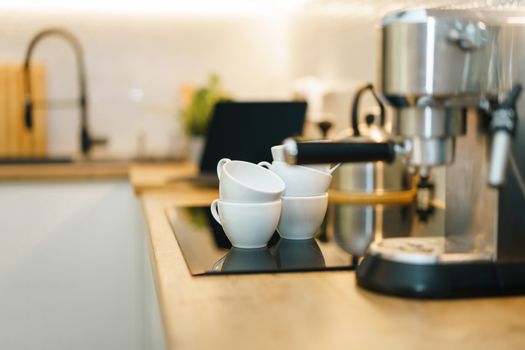
The foundation of an authentic coffee shop experience lies in the brewing equipment. The right setup depends on your favorite drinks and your budget. Here’s a look at popular options:
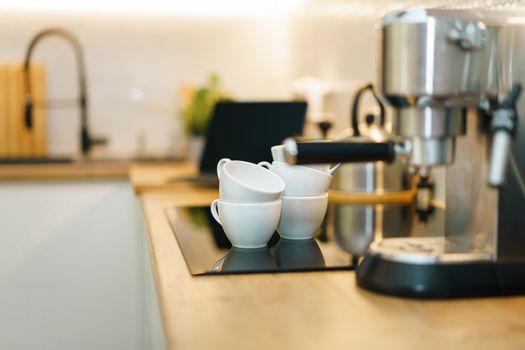
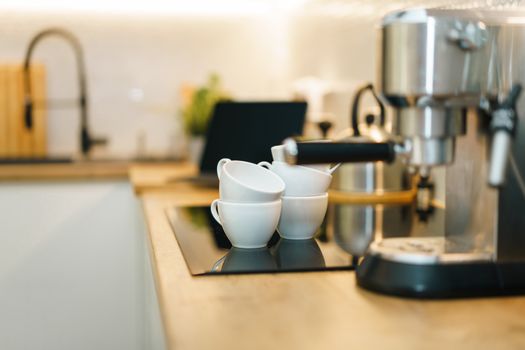
Espresso Machines: These are the backbone of most coffee shops. Home espresso machines range from basic manual models to high-end, fully automatic versions. According to Statista, sales of home espresso machines jumped by 32% in the U.S. between 2019 and 2022, reflecting a growing trend in home barista culture.
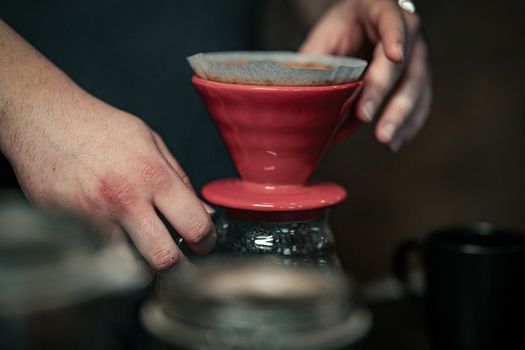
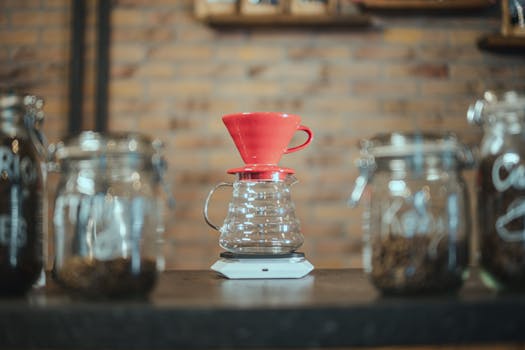
Pour-Over Devices: Devices like the Chemex or Hario V60 offer a hands-on brewing experience and are prized for their ability to highlight delicate flavors.
French Press: Simple and effective, the French press is a staple for those who love a rich, full-bodied cup.
Single-Serve Pod Machines: While not always favored by purists, these provide consistency and speed—two hallmarks of the modern coffee shop.
Grinders: Freshly ground beans make a world of difference. Burr grinders are preferred for their consistency, while blade grinders are a more budget-friendly option.
Here’s a comparison table for popular home coffee brewing methods:
| Brewing Method | Cost Range (USD) | Average Brew Time | Flavor Profile | Skill Level Required |
|---|---|---|---|---|
| Espresso Machine | $150–$2,000+ | 1–2 min | Rich, concentrated, crema-topped | Medium–High |
| Pour-Over (Chemex, V60) | $25–$60 | 3–5 min | Clean, nuanced | Medium |
| French Press | $20–$50 | 4–6 min | Full-bodied, robust | Low–Medium |
| Single-Serve Pod | $50–$200 | 1–2 min | Varies, consistent | Low |
Crafting Café-Quality Drinks: Techniques and Tips
Once you have the right tools, it’s time to up your coffee-making game. Café-quality beverages are all about precision, technique, and a bit of creativity.
Espresso Basics: For espresso, consistency is key. Use a scale to measure both your grounds (typically 18–20 grams for a double shot) and your output (about 36–40 grams liquid). Tamping evenly and dialing in your grind size can make a dramatic difference in taste.
Milk Frothing: If you love lattes or cappuccinos, learning to froth milk is essential. A steam wand offers the best results, but handheld frothers or French presses can also produce microfoam. Aim for a silky, glossy texture—tiny bubbles are the secret to latte art.
Flavor Additions: Many coffee shops offer syrups, spices, and alternative milks. Try making your own simple syrup (combine equal parts sugar and water, simmer, and cool) or experiment with vanilla, cinnamon, or caramel. Plant-based milks like oat and almond have surged in popularity—oat milk sales grew by 50% globally in 2023, reflecting consumer demand for dairy alternatives.
Iced Variations: Don’t forget about cold beverages! Japanese-style iced coffee (brewed hot, directly over ice) preserves flavor, while cold brew offers a smoother, less acidic taste. Cold brew can be made in large batches and kept in the fridge for up to a week.
Personalizing Your Coffee Shop Menu
One of the joys of a coffee shop is the wide variety of drinks and treats available. At home, you have the freedom to tailor your menu exactly to your tastes, without the limitations of commercial operations.
Signature Drinks: Create a “house special” by customizing a drink with unique flavors or presentation. For example, lavender-infused lattes or a spicy Mexican mocha.
Snacks and Pairings: Elevate your home café with fresh pastries, biscotti, or homemade granola bars. According to a 2022 survey by the Specialty Coffee Association, 70% of coffee drinkers enjoy a sweet or savory snack with their beverage.
Seasonal Offerings: Rotate your menu to match the seasons—think pumpkin spice in autumn, peppermint in winter, and fruity iced teas in summer.
Dietary Options: With full control over ingredients, you can easily accommodate dietary needs—gluten-free, vegan, keto, and more.
Hosting Coffee Shop Moments: Social Connections at Home
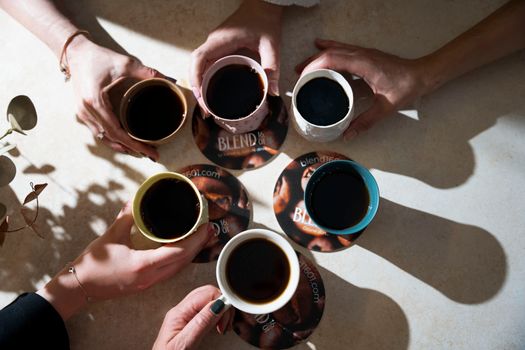
One of the most cherished aspects of coffee shops is their role as community hubs. You can recreate this sense of connection at home by inviting friends or family to share in the experience.
Coffee Tastings: Host a coffee tasting (also known as a “cupping”) to compare beans from different regions or roasters. Use scorecards and discuss flavor notes—this is a fun, interactive way to deepen appreciation for coffee.
Virtual Coffee Dates: If distance is a factor, schedule a virtual coffee meet-up. Share brewing tips or try making the same recipe together over video chat.
Book or Craft Clubs: Combine coffee with other hobbies—start a small book club or knitting circle, making coffee the centerpiece of your gatherings.
Celebrations: Mark special occasions with themed coffee drinks or decorated treats. For example, create a “birthday latte” with sprinkles or a “holiday mocha” with peppermint.
Saving Money and Reducing Waste with a Home Coffee Shop
Setting up a home coffee shop can mean upfront costs, but the savings add up quickly. Consider this: the average price of a café latte in the U.S. is $4.16 (2023 data from Square), while making the same drink at home typically costs less than $1 when factoring in coffee, milk, and energy.
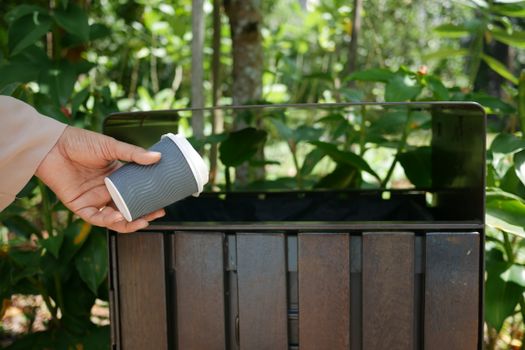
Waste reduction is another significant benefit. In 2022, Americans threw away over 50 billion single-use coffee cups. By using reusable mugs and brewing only what you need, you can dramatically cut down on waste.
Bulk buying, grinding beans as needed, and composting coffee grounds are other eco-friendly practices. Many cities offer coffee ground recycling programs, and used grounds can even be used as fertilizer for plants.
Final Thoughts: Making the Coffee Shop Magic Your Own
Creating your own coffee shop experience at home isn’t just about saving money or convenience—it’s about savoring moments of joy and creativity every day. Whether you’re inspired by the quiet solitude of a morning espresso, the laughter over a shared cappuccino, or the pride of crafting your own signature drink, the possibilities are endless.
With the right blend of atmosphere, equipment, skills, and a dash of personal flavor, your kitchen can become your favorite “café” in town. So, put on your favorite playlist, light a candle, and start brewing—your perfect coffee shop moment is waiting.