Coffee and its Ecological Footprint: How to Enjoy Coffee Sustainably
Coffee is more than just a daily ritual; it’s a global commodity enjoyed by billions. But behind every cup lies a complex web of environmental impacts, from deforestation to water usage, carbon emissions, and waste generation. As the demand for coffee grows—reaching an estimated 10 million tons produced globally each year—so does its ecological footprint. Fortunately, there are actionable ways for both consumers and producers to make coffee enjoyment much more sustainable. This article explores the hidden environmental costs of coffee and offers practical, impactful steps to help you enjoy your brew while caring for the planet.
Understanding Coffee’s Environmental Impact: From Farm to Cup
Coffee production leaves a significant ecological footprint, affecting ecosystems at every stage of its journey from farm to cup. Let’s break down the key areas of environmental concern:
1. Deforestation: Traditional coffee farming, especially sun-grown coffee, often involves clearing forests to create plantations. According to the World Wildlife Fund, coffee farming is responsible for 2.5 million acres of deforestation in Central America alone. 2. Water Consumption: It takes about 140 liters of water to produce a single cup of coffee, factoring in irrigation, processing, and washing beans. This high water footprint contributes to water scarcity in growing regions. 3. Carbon Footprint: The coffee industry is responsible for approximately 29 million tons of CO₂ emissions annually, from cultivation and processing to transportation and brewing. 4. Chemical Use: Non-organic coffee farming relies on fertilizers and pesticides that can pollute local waterways and harm biodiversity. 5. Waste Generation: Coffee packaging, disposable cups, and spent grounds contribute to landfill waste. In 2022, over 50 billion single-use coffee cups were discarded globally.To truly enjoy coffee sustainably, it’s crucial to understand where the biggest impacts occur and where changes can make the most difference.
.png)
Choosing Coffee with a Lighter Footprint: Certifications and Sourcing
One of the most direct ways to reduce coffee’s environmental impact is through mindful purchasing. Not all coffee is created equal—certain farming methods and certifications indicate a lighter ecological footprint.
Key certifications to look for include:
- Rainforest Alliance: Ensures coffee is grown with biodiversity conservation and fair labor practices. - Fairtrade: Promotes sustainable farming and better working conditions for farmers. - USDA Organic: Indicates coffee is grown without synthetic pesticides or fertilizers.These certifications are more than just labels; they represent rigorous standards. For example, Rainforest Alliance-certified farms have been shown to reduce deforestation rates by up to 20% compared to conventional farms.
Here’s a comparison of common coffee certifications and what they mean for sustainability:
| Certification | Environmental Focus | Impact on Farmers | Consumer Benefit |
|---|---|---|---|
| Rainforest Alliance | Biodiversity, soil and water conservation | Better market access, training | Supports conservation, traceable supply |
| Fairtrade | Reduced pesticide use, environmental management | Fair prices, community investment | Ethical purchase, supports smallholders |
| USDA Organic | No synthetic chemicals, promotes soil health | Premium prices, healthier work environment | Organic assurance, chemical-free |
Choosing shade-grown coffee is also impactful. Shade-grown methods preserve forest canopy, protect wildlife habitats, and often require fewer chemical inputs. According to a Smithsonian Migratory Bird Center study, shade-grown coffee supports up to 97% more bird species than sun-grown alternatives.
Brewing Methods and Equipment: Reducing Waste at Home
How you brew your coffee matters as much as where it comes from. Common brewing methods differ greatly in their environmental footprints, particularly in terms of energy use and waste generation.
Single-serve coffee pods, for instance, have become a global phenomenon but are notorious for their waste. The National Coffee Association estimates that over 39,000 coffee pods are produced every minute, and most are not recycled. In contrast, manual brewing methods like French press, pour-over, or AeroPress generate minimal waste and use no electricity beyond boiling water.
Here are some sustainable brewing tips:
- Switch to reusable filters (cloth or metal) instead of disposable paper filters. - Opt for a French press or pour-over, which have minimal waste and energy use. - Use a programmable coffee maker to brew only the amount you need, reducing wasted coffee and energy. - Avoid single-use pods, or choose brands that offer compostable or recyclable options.Disposal is another key factor. Composting spent coffee grounds is an easy way to cut landfill waste and return nutrients to the soil. Coffee grounds are rich in nitrogen and can improve garden compost or even be used directly as fertilizer for acid-loving plants.
Packaging and Coffee Transport: Shrinking the Hidden Footprint
Beyond the farm and the home, coffee’s journey to your cup involves packaging and global transport, both of which contribute significantly to its carbon footprint.
Packaging is often overlooked, but most coffee is sold in non-recyclable composite bags. Fortunately, some roasters now use biodegradable or fully recyclable materials. When shopping, look for brands that prioritize sustainable packaging—such as those certified by FSC (Forest Stewardship Council) or using plant-based plastics.
Transportation is another hidden impact. Coffee beans may travel thousands of miles from farm to cup, primarily by sea and road freight. While shipping accounts for only about 5% of the industry’s total footprint, choosing locally roasted coffee can reduce transport emissions. According to the Specialty Coffee Association, locally roasted beans can cut transport-related emissions by up to 30%.
Another tip: buy coffee in bulk to reduce packaging waste, or join a local coffee subscription that minimizes shipping frequency and packaging.
Coffee Waste: Creative Ways to Reuse and Recycle
Coffee waste doesn’t have to end up in landfills. With a little creativity, both grounds and packaging can have a second life.
Ideas for reusing coffee grounds:
- Composting: Coffee grounds enrich compost with nitrogen, accelerating decomposition. - Gardening: Sprinkle grounds around acid-loving plants like roses, azaleas, or blueberries. - Natural cleaning: The abrasive texture makes coffee grounds effective for scrubbing pans or cleaning surfaces. - Odor neutralizer: Place dried grounds in an open container to absorb odors in refrigerators or closets.For packaging, look for brands that accept returns or participate in recycling programs. Some companies, like TerraCycle, offer mail-back programs for hard-to-recycle coffee bags and pods.
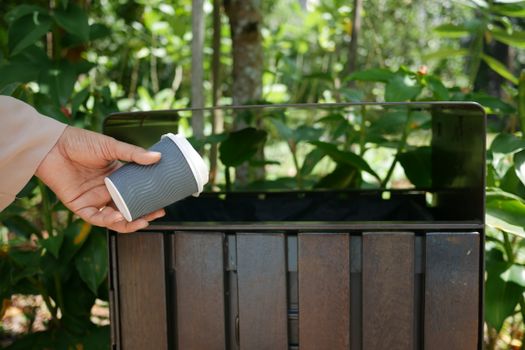
Reducing coffee waste at cafes is also possible: bring your own reusable cup. According to Clean Water Action, if every American coffee drinker used a reusable cup once a week, it would keep over 4 billion cups out of landfills each year.
The Role of Technology and Innovation in Sustainable Coffee
Innovation is driving sustainability across the coffee industry. From farm-level advances to high-tech home brewing, new solutions are helping to shrink coffee’s ecological footprint.
Examples include:
- Precision Agriculture: Farmers use drones, sensors, and data analytics to optimize water, fertilizer, and pesticide use, reducing waste and runoff. - Solar Drying: Replacing diesel-powered coffee dryers with solar alternatives can reduce drying-related emissions by up to 90%. - Eco-friendly Roasters: Some specialty coffee shops now use electric or solar-powered roasters, which have a smaller carbon footprint than traditional gas-fired models. - Biodegradable Cups: Companies are developing cups made from plant fibers or bioplastics that break down in compost systems within months.Consumers can support these innovations by choosing brands that invest in sustainable technology or by adopting efficient brewing equipment at home.
Enjoying Coffee Responsibly: Making Every Cup Count
The journey to sustainable coffee doesn’t require sacrificing flavor or ritual. Small changes—choosing certified coffee, using reusable brewing methods, composting grounds, and supporting local roasters—add up to a significant reduction in your personal coffee footprint. As awareness grows, both consumers and producers are moving toward a greener future for coffee.
With global coffee consumption expected to rise by nearly 2% per year through 2025, every action matters. By making more informed choices, you can savor your daily brew knowing you’re part of the solution.