Coffee is more than just a morning ritual—it’s a global phenomenon with an astonishing range of flavors, traditions, and preparation styles. As you travel from Milan to Melbourne or from Singapore to Seattle, you’ll discover that every culture adds its own twist to this beloved beverage. Whether you’re a curious beginner or a seasoned coffee enthusiast, exploring the world of kopi variations offers a delicious journey through creativity, history, and taste. This guide will introduce you to some of the most fascinating ways to prepare coffee, highlighting the unique characteristics and stories behind each method.
The World of Kopi: What Makes Coffee Preparation Unique?
Coffee’s versatility lies in the countless ways it can be brewed, served, and enjoyed. The word “kopi” itself, derived from the Malay and Indonesian languages, simply means “coffee.” Yet across the globe, kopi has evolved far beyond a single definition. The preparation of coffee is shaped by local customs, available resources, and climate, resulting in a rich tapestry of flavors and textures.
Consider this: in 2023, it was estimated that over 2.25 billion cups of coffee are consumed worldwide every day. This staggering number represents not just a shared love of caffeine, but also the incredible diversity in how people savor their cup. From robust espresso shots in Italy to sweet, condensed milk-laden brews in Southeast Asia, the ways to prepare coffee are as varied as the cultures that cherish it.
.png)
Classic Kopi Variations: A Global Tour
Let’s embark on a journey across continents to discover some of the most iconic kopi variations. Each method reflects local tastes and traditions, demonstrating how coffee can serve as both a daily necessity and a cultural symbol.
Italian Espresso: The Heartbeat of Italy Italy’s espresso culture is legendary. Using high pressure and finely ground beans, an espresso machine extracts a concentrated shot of coffee in just 25-30 seconds. The result is a small, intense drink with a thick “crema” on top. In fact, over 80% of Italian coffee consumed is in espresso form, whether enjoyed straight, as a macchiato, or as the base for cappuccinos and lattes.
Vietnamese Cà Phê Sữa Đá: The Sweet Side of Coffee Vietnam is the world’s second-largest coffee producer, and its signature iced coffee—cà phê sữa đá—reflects both ingenuity and local palate. Strong robusta coffee is brewed using a metal drip filter (phin) and poured over sweetened condensed milk and ice. This method not only balances the coffee’s bold bitterness with sweetness but also suits the country’s hot climate.
Singaporean and Malaysian Kopi: A Legacy of Hainanese Innovation In kopitiams (coffee shops) across Singapore and Malaysia, kopi refers to coffee prepared with robusta beans, roasted with sugar and margarine for a unique caramelized flavor. It is typically brewed in a sock-like cloth filter and served with condensed or evaporated milk. The menu is a code: “kopi o” is black coffee, “kopi c” has evaporated milk, and “kopi peng” is iced.
Swedish Fika: More Than Just a Coffee Break In Sweden, the concept of fika is central to daily life. While the coffee—often a medium roast, drip-brewed or boiled—is important, fika is as much about taking a break, socializing, and enjoying pastries as it is about the drink itself. This tradition shows how kopi variations are intertwined with culture and community.
Unusual and Innovative Ways to Prepare Coffee
Beyond the classics, coffee lovers around the world experiment with new techniques and flavors. Here are some creative kopi variations that break the mold:
Egg Coffee (Cà Phê Trứng) – Vietnam Invented in Hanoi in the 1940s, egg coffee combines robusta coffee, sugar, and whipped egg yolk, creating a creamy, meringue-like topping. The result is a decadent drink sometimes compared to tiramisu in a cup.
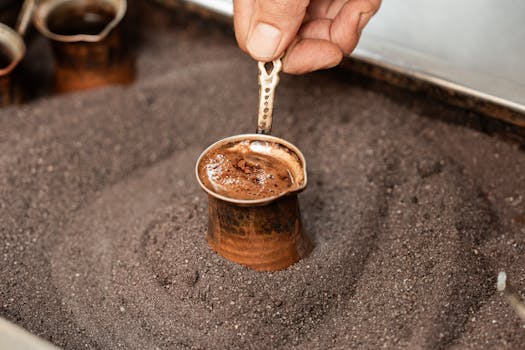
Turkish Coffee – A Historic Ritual Recognized by UNESCO as part of the world’s intangible cultural heritage, Turkish coffee is made by simmering extra-finely ground beans with water and sugar in a small pot (cezve). The coffee is unfiltered and served in tiny cups, with grounds settling at the bottom. In Turkey, reading coffee grounds is a cherished fortune-telling tradition.
Nitro Coffee – The Modern Twist Nitro coffee, a recent innovation, infuses cold brew coffee with nitrogen gas, resulting in a smooth, creamy texture and a foamy head—similar to draft beer. Since its debut in 2013, nitro coffee has become a staple in specialty cafes, especially in the United States. It’s estimated that by 2025, the global nitro coffee market will exceed $50 million in value.
Yuenyeung – Hong Kong’s East-Meets-West Blend Yuenyeung is a unique beverage from Hong Kong that blends freshly brewed coffee with Hong Kong-style milk tea (black tea with evaporated or condensed milk). The result is a rich, caffeinated drink that reflects the city’s fusion of British and Chinese influences.
Comparing Kopi Preparation Methods: A Quick Overview
With so many options, how do you choose the right kopi variation for your taste and lifestyle? The table below summarizes some key characteristics of popular coffee preparation methods, from brew time to flavor profile.
| Preparation Method | Origin | Brew Time | Main Ingredients | Flavor Profile |
|---|---|---|---|---|
| Espresso | Italy | 25-30 sec | Finely ground coffee, water | Strong, concentrated, creamy |
| Cà Phê Sữa Đá | Vietnam | 5-7 min | Robusta coffee, condensed milk, ice | Bold, sweet, creamy |
| Kopi (Sock Brew) | Singapore/Malaysia | 3-5 min | Robusta coffee, sugar, margarine, milk (optional) | Rich, caramelized, robust |
| Turkish Coffee | Turkey | 5-8 min | Ultra-fine coffee, water, sugar (optional) | Thick, intense, sometimes spiced |
| Nitro Cold Brew | USA | 12-24 hrs (steeping), served instantly | Coarse coffee, cold water, nitrogen | Silky, mild, effervescent |
| Yuenyeung | Hong Kong | 5-10 min | Coffee, black tea, condensed/evaporated milk | Complex, creamy, slightly tannic |
Health and Sustainability in Kopi Variations
As coffee culture evolves, so do concerns about health and sustainability. Different kopi variations can have a significant impact on both personal wellness and the environment.
Health Aspects: - Calorie Count: A plain espresso contains just 2 calories per ounce, while a glass of Vietnamese cà phê sữa đá can have over 100 calories due to the condensed milk. - Caffeine Content: Brew strength varies widely. For example, a Turkish coffee (60 ml) typically contains about 65 mg of caffeine, while a single espresso shot (30 ml) has roughly 63 mg. - Additives: Traditional kopi drinks often use sugar, milk, or margarine, which can affect nutritional value. Lighter versions, such as black kopi or cold brew, appeal to those watching their sugar and fat intake. Sustainability Considerations: - Coffee production is resource-intensive, with water use ranging from 140 liters per cup (for growing and processing) to almost zero for instant coffee. - Single-use plastics and disposable cups, often used for iced kopi drinks, contribute to environmental waste. Many cafes now offer reusable cups or incentives for sustainable choices. - Bean origin matters: Specialty coffee shops increasingly highlight fair trade, organic, or direct-trade beans to help support ethical sourcing and environmental stewardship.How to Choose and Prepare Your Favorite Kopi Variation at Home
You don’t need to travel the world—or even leave your kitchen—to enjoy kopi variations. Here’s how you can bring some international flair to your coffee routine:
Start with the Beans - For Italian-style espresso, choose a medium-to-dark roast, finely ground. - Southeast Asian kopi often uses robusta beans, roasted with sugar or butter for extra body. - For Turkish coffee, seek out ultra-fine, powdery grinds. Experiment with Brewing Tools - Espresso machines (manual or automatic) are great for espresso and Italian drinks. - A phin filter is essential for authentic Vietnamese coffee. - Cloth sock filters work for kopitiam-style kopi. - Try a French press, moka pot, or AeroPress for other global variations. Play with Additions and Serving Styles - Add sweetened condensed milk or evaporated milk for Southeast Asian flair. - Froth milk for cappuccinos and lattes, or whip egg yolk and sugar for Vietnamese egg coffee. - Serve over ice, or infuse with nitrogen for a modern twist.Don’t forget to experiment! The joy of kopi variations lies in discovering what tastes best to you—and maybe even inventing your own signature cup.
Final Thoughts on Kopi Variations: Savoring Diversity in Every Cup
Coffee is more than a beverage—it’s a living tradition, a global connector, and a canvas for endless creativity. By exploring kopi variations from around the world, you not only expand your palate but also gain a deeper appreciation for the cultural stories behind each cup. Whether you prefer your coffee strong and simple, sweet and creamy, or bold and inventive, there’s a kopi style for every mood and moment. So why not step out of your routine, try something new, and savor the world—one delicious sip at a time?