Brewing café-quality lattes at home may seem like a lofty goal reserved for seasoned baristas with expensive machines. But with the right approach, a touch of science, and a dash of artistry, anyone can craft a latte that rivals the best local coffee shop. In this comprehensive guide, we'll demystify the art of the latte, revealing both the technical and creative steps that turn simple ingredients into an indulgent, beautiful drink. Whether you're a coffee aficionado wanting to perfect your skills or a beginner intrigued by the world of specialty coffee, this article will show you how to elevate your home latte game—complete with practical tips, real-world data, and a side-by-side comparison of home latte-making tools.
The Science and Craft Behind the Perfect Latte
At its core, a latte (from the Italian caffè latte, meaning “milk coffee”) is a harmonious blend of espresso and steamed milk, topped with a delicate microfoam. What sets a great latte apart is the balance—rich but not overpowering espresso, creamy milk with a velvety texture, and a presentation that pleases the eyes as much as the palate.
According to the National Coffee Association (NCA), over 40% of Americans drink specialty coffee beverages, with lattes ranking among the top favorites. The growing trend of home barista culture has led to a 32% increase in espresso machine sales since 2021—proof that more people are seeking café-quality drinks in their own kitchens.
.png) But what goes into that elusive “perfect” latte? It’s a combination of several factors:
- Fresh, high-quality coffee beans
- Accurate espresso extraction
- Milk steamed to the right temperature and texture
- Proper ratios between espresso, milk, and foam
- Artistic finishing touches, such as latte art
But what goes into that elusive “perfect” latte? It’s a combination of several factors:
- Fresh, high-quality coffee beans
- Accurate espresso extraction
- Milk steamed to the right temperature and texture
- Proper ratios between espresso, milk, and foam
- Artistic finishing touches, such as latte art
Understanding these elements is the first step toward replicating professional results at home.
Choosing the Right Equipment: Espresso Machines, Milk Frothers, and Beyond
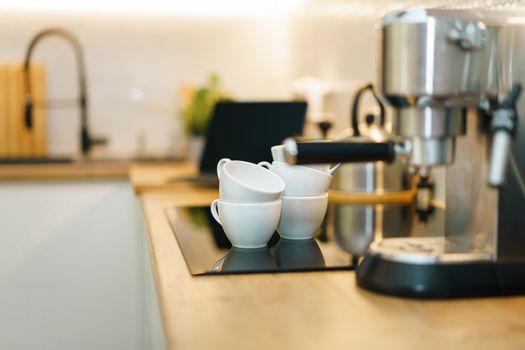
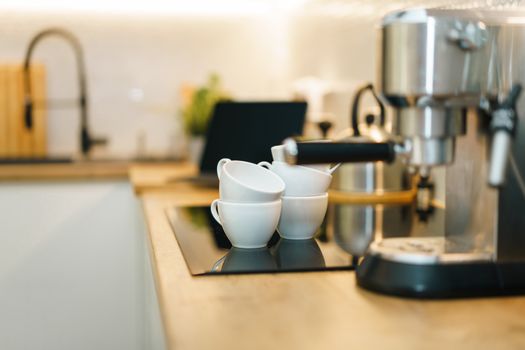
Before you can create a café-worthy latte, it’s essential to choose the right tools. While professional coffee shops use commercial-grade espresso machines costing thousands of dollars, home baristas have more accessible options. Here’s a comparative overview of popular equipment for making lattes at home:
| Equipment Type | Average Cost (USD) | Features | Best For |
|---|---|---|---|
| Semi-Automatic Espresso Machine | $300-$700 | Manual control, built-in steam wand, durable | Enthusiasts, hands-on users |
| Automatic Espresso Machine | $500-$2,000 | Push-button operation, integrated grinder, auto milk frothing | Convenience seekers, busy households |
| Manual Espresso Maker | $70-$300 | Portable, no electricity needed, requires practice | Travelers, minimalists |
| Pod/Capsule Machine | $100-$400 | Single-serve, fast, limited customization | Beginners, time-pressed users |
| Stand-alone Milk Frother | $30-$150 | Automatic or handheld, warms and froths milk | Non-espresso drinks, easy milk texturing |
While a semi-automatic or automatic espresso machine with a steam wand offers the closest results to a true café latte, even manual espresso makers and high-quality milk frothers can yield impressive outcomes with practice.
Espresso: The Foundation of Every Great Latte
The heart of a latte is its espresso—a concentrated coffee brewed under high pressure. Getting the espresso right is crucial, as it provides the body, aroma, and flavor that define the drink.
Key factors to master include: - Grind Size: Espresso requires a fine grind, resembling powdered sugar. Too coarse and your shot will be weak; too fine and it may taste bitter. - Dose: Typical home lattes use 18-20 grams of ground coffee for a double shot. - Extraction Time: The “sweet spot” is typically 25-30 seconds for a double shot, yielding about 2 ounces (60 ml) of espresso. - Freshness: Coffee beans begin to lose flavor quickly after grinding. Experts recommend grinding just before brewing and using beans roasted within the last 2-3 weeks.A 2023 survey by the Specialty Coffee Association found that 84% of professional baristas credit fresh beans and precise extraction as the most critical factors in espresso quality. Investing in a burr grinder and experimenting with your grind and tamping technique will pay huge dividends in your latte’s taste.
Mastering Milk Steaming and Frothing Techniques
What truly transforms an espresso into a latte is the milk. The goal is to create a silky, glossy “microfoam”—tiny bubbles suspended in milk, resulting in a creamy, sweet texture.
Professional baristas aim for milk steamed between 140°F and 150°F (60°C–65°C). Milk heated above 160°F (71°C) can scorch, losing sweetness and developing an unpleasant taste. For best results, use whole milk, as its higher fat content produces a richer, more stable foam. However, excellent lattes can also be made with 2% or plant-based milks—barista oat milk, for example, has soared in popularity, with a 52% year-over-year increase in U.S. sales reported in 2023.
Tips for Steaming and Frothing Milk: - Always start with cold milk and a chilled pitcher. - Position the steam wand just below the surface to introduce air, then submerge it to create a whirlpool effect that incorporates the foam. - Practice is key! Creating perfect microfoam can take dozens of tries, but the texture and mouthfeel it adds are worth the effort.If you don’t have a steam wand, electric milk frothers or even a French press (by pumping hot milk rapidly up and down) can yield surprisingly good results for home use.
Latte Ratios, Assembly, and Latte Art Magic
Once you’ve pulled your espresso shot and steamed your milk, it’s time to combine them. A traditional latte uses a ratio of 1 part espresso to 3 parts steamed milk, topped with a small amount of foamed milk. For a standard 12-ounce (355 ml) latte, this typically means 2 ounces espresso, 6-8 ounces steamed milk, and about 1-2 ounces microfoam.
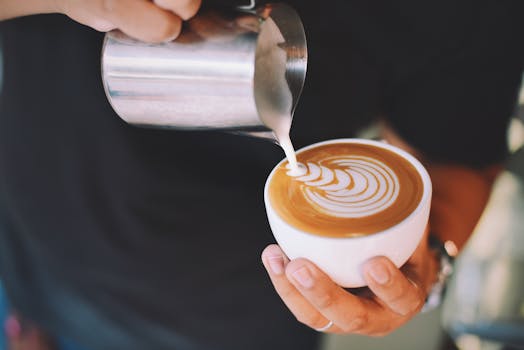
Steps to Assemble the Perfect Latte: 1. Pour the espresso into a pre-warmed cup. 2. Swirl the milk pitcher to incorporate the foam and even out texture. 3. Begin pouring milk slowly into the center of the espresso, raising the pitcher to blend the liquids. 4. As the cup fills, lower the pitcher and increase the pour speed to bring the foam to the top, creating the classic latte appearance. 5. For those feeling artistic, use gentle wrist movements to create latte art designs like hearts, rosettas, or tulips.Latte art is more than just a finishing touch—it’s a sign that the milk texture is ideal and that you’ve achieved the right balance between espresso and foam. In fact, the World Latte Art Championship attracts competitors from over 40 countries annually, with judges scoring on symmetry, contrast, and creativity.
Exploring Flavor Variations and Seasonal Latte Ideas
One of the joys of making lattes at home is the freedom to experiment with flavors and seasonal ingredients. While café menus often offer only a few flavored lattes, home baristas can tailor drinks to their exact preferences.
Popular Latte Flavors and Add-Ins: - Vanilla: Add 1-2 teaspoons of homemade or store-bought vanilla syrup before pouring in the milk. - Caramel: Drizzle caramel sauce in the bottom of the cup or over the foam for a decadent treat. - Mocha: Mix a spoonful of cocoa powder or chocolate syrup with the espresso for a chocolatey twist. - Spiced: Infuse your milk with cinnamon, nutmeg, or pumpkin spice for a cozy autumn drink. - Plant-Based: Try almond, soy, or oat milk—many “barista” blends are designed for better foaming.According to data from the International Coffee Organization, seasonal flavors like pumpkin spice and peppermint account for up to 20% of specialty coffee sales during peak months. At home, you can control sweetness, source organic or sugar-free syrups, and even create your own flavor infusions using extracts, spices, or flavored honeys.
Final Thoughts: Bringing Coffee Shop Craftsmanship Home
Making a coffee shop-quality latte at home is both an art and a science—a creative ritual that rewards patience, experimentation, and a willingness to learn. While the right equipment helps, it’s your attention to detail, ingredient quality, and passion for coffee that will truly set your homemade lattes apart.
With practice, you’ll discover not only how to make a great drink, but how to personalize each cup to your mood or the season. Whether you’re aiming for flawless microfoam, intricate latte art, or simply a delicious way to start the day, the journey itself is as satisfying as the first sip.