Coffee Roasting 101: A Comprehensive Guide to the Art and Science of Roasting Beans
Coffee is much more than a morning ritual or a daily pick-me-up—it’s a complex beverage with a symphony of flavors, aromas, and textures. At the heart of this complexity lies a transformative process: roasting. Coffee roasting is where green, raw coffee beans are turned into the aromatic brown beans that fill your cup with boldness and nuance. Yet, few coffee lovers understand what actually happens during roasting, how it affects flavor, or how different roasting techniques can dramatically change your coffee experience. Whether you’re a home enthusiast or simply curious about what makes your favorite brew taste the way it does, this guide will take you deep into the world of coffee roasting.
The Science Behind Coffee Roasting
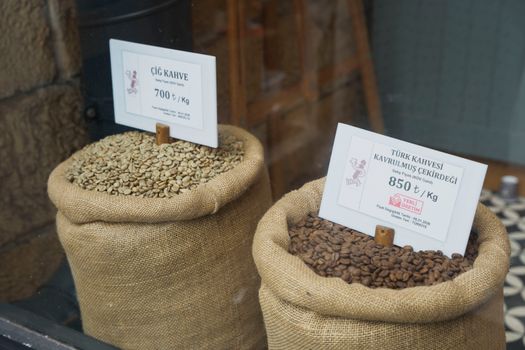
Roasting coffee is both an art and a science. At its core, roasting is the process of applying heat to green coffee beans, causing a series of chemical and physical changes that develop flavor, aroma, and color. The process typically occurs between 370°F and 540°F (188°C to 282°C), with the entire roast lasting anywhere from 8 to 20 minutes depending on the method and desired roast level.
During roasting, several critical reactions occur:
- $1 This reaction between amino acids and sugars creates the complex flavors and brown color characteristic of roasted coffee. - $1 The natural sugars within the beans break down, contributing to sweetness and depth. - $1 Carbon dioxide is released, which is why freshly roasted beans need to "rest" before brewing.A typical coffee bean loses about 15-20% of its weight during roasting due to moisture loss but increases in volume by roughly 50-80%. The exact profile of flavors unlocked depends on carefully controlled time, temperature, and airflow.
.png)
Roast Levels: From Light to Dark
One of the most significant variables in coffee roasting is the roast level. Each level brings out different characteristics in the beans. Here’s a breakdown of the most common roast levels:
| Roast Level | Color | Flavor Profile | Common Use |
|---|---|---|---|
| Light Roast | Light brown | Bright, acidic, highlights origin flavors | Pour-over, filter coffee |
| Medium Roast | Medium brown | Balanced, sweet, more body | Drip, French press |
| Medium-Dark Roast | Dark brown | Full-bodied, bittersweet, chocolatey | Espresso, moka pot |
| Dark Roast | Nearly black | Smoky, bold, low acidity | Espresso, Turkish coffee |
Light roasts, often called "cinnamon" or "city" roasts, preserve the bean’s original flavors and higher acidity. Medium roasts balance acidity and body, while dark roasts develop deeper, smokier flavors but lose much of the bean’s origin character. According to the National Coffee Association, over 50% of Americans prefer a medium or medium-dark roast for their daily cup.
Methods of Roasting Coffee
Coffee roasting is performed on a spectrum ranging from large commercial operations to small-batch, artisanal, and even home roasting. Each method influences the final taste, consistency, and freshness of the coffee.
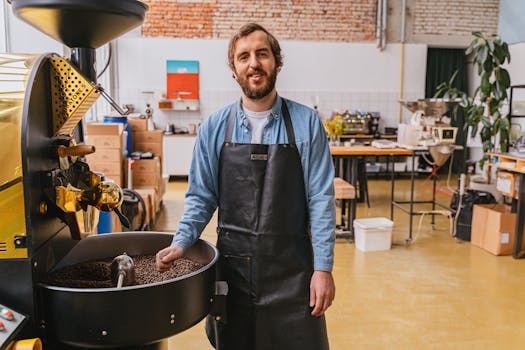
- $1 This traditional method uses a rotating drum heated by gas or electricity. Beans tumble inside, ensuring even heat distribution. Drum roasters are popular among specialty coffee roasters for their consistency and control. - $1 Here, beans are suspended and roasted by a powerful stream of hot air. This method results in a cleaner, brighter cup and is common in both commercial and home roasting. - $1 Small devices, ranging from popcorn poppers to dedicated home roasters, allow enthusiasts to roast on demand. In 2021, home roasting equipment sales increased by 18% in North America, showing a growing trend among consumers seeking ultimate freshness.The method chosen affects roast time, flavor development, and the ability to control variables like airflow and temperature. For example, hot air roasting often produces a lighter, more acidic profile, while drum roasting can coax out deeper, more nuanced flavors.
Key Steps in the Coffee Roasting Process
Understanding the roasting process step by step helps demystify how raw beans become that aromatic staple in your kitchen. Here’s what happens during a typical roast:
1. $1 The beans, which start with 10-12% moisture, are heated gradually to avoid scorching. This phase prepares the beans for chemical reactions. 2. $1 As the temperature rises, the Maillard reaction and caramelization intensify. Beans change from green to yellow to light brown, and aromas begin to develop. 3. $1 Around 385°F (196°C), beans emit a cracking sound—a signal that water vapor and gases are escaping. At this stage, light roasts are typically achieved. 4. $1 The length of time after the first crack determines the final roast level. Extending this phase produces medium and dark roasts, with flavors shifting from fruity and acidic to chocolaty and smoky. 5. $1 At higher temperatures (around 435°F/224°C), a second, more rapid crack indicates the formation of oils on the bean’s surface—a hallmark of dark roasts. 6. $1 Beans are quickly cooled, often within minutes, to halt the roasting process and stabilize flavors.Timing, temperature, and careful monitoring are essential. Even a 30-second difference can dramatically impact the final cup.
How Roasting Impacts Coffee Flavor and Body
The transformation from green bean to roasted coffee is not just about color—it’s about unlocking a universe of flavors. Green beans contain over 800 volatile compounds that are either created or released during roasting. Here’s how different roast levels affect your coffee:
- $1 Light roasts retain more acidity, often described as “brightness.” This can accentuate fruity or floral notes. - $1 As beans roast longer, they develop more body and a heavier mouthfeel, peaking at medium-dark levels. - $1 Caramelization increases sweetness up to medium roasts, while longer roasting breaks down sugars, leading to more bitterness and burnt notes in dark roasts. - $1 Lighter roasts preserve unique characteristics from the bean’s origin (region, altitude, processing). Dark roasts, while bold, tend to mute these subtleties.A 2022 study by the Specialty Coffee Association found that 72% of coffee professionals could distinguish between three different roast levels in blind taste tests, highlighting the dramatic effect roasting has on flavor.
Storing and Using Freshly Roasted Coffee
Freshness is a crucial factor in enjoying roasted coffee at its best. After roasting, beans start to release carbon dioxide (degassing), which can affect brewing. Most experts recommend letting beans rest for 24-72 hours post-roast. However, coffee is at its freshest within 2-14 days after roasting, with flavor gradually declining after three weeks due to oxidation.
To maximize shelf life and preserve flavor:
- Store beans in airtight, opaque containers away from light and moisture. - Avoid refrigerating or freezing, as temperature fluctuations can introduce condensation. - Grind only what you need just before brewing to prevent rapid flavor loss.According to market research, 68% of specialty coffee drinkers seek out roast dates on packaging, underlining the importance of transparency and freshness in today’s coffee culture.
Final Thoughts on Mastering Coffee Roasting
Coffee roasting is a fascinating blend of chemistry, craftsmanship, and sensory exploration. From the first crack to the final cooling, every stage of the process shapes the flavors in your cup. Whether you’re buying beans roasted by a professional or experimenting with home roasting, understanding the basics empowers you to choose or create the perfect roast for your palate. Remember, there is no single “best” roast—only what suits your taste and brewing method. So, next time you sip your favorite brew, take a moment to appreciate the journey from green bean to aromatic delight.