Artisanal Coffee: A Blend of Tradition and Innovation
Few beverages carry as rich a tapestry of history and culture as coffee. Over centuries, the way we grow, roast, and brew coffee has evolved—from ancient Ethiopian coffee ceremonies to today’s global café culture. In recent years, a new breed of coffee has taken the world by storm: artisanal coffee. This movement is more than just a trend; it’s a dynamic blend of time-honored tradition and forward-thinking innovation. Artisanal coffee honors the roots of coffee culture while pushing boundaries with new processing techniques, brewing technologies, and flavor explorations.
So, what makes artisanal coffee stand apart from your average cup? Why are more people seeking out independent roasters and unique brews? In this article, we’ll explore the fascinating world of artisanal coffee, examining how its blend of old and new is reshaping the way we experience our daily cup. Whether you’re a seasoned coffee lover or just starting your journey, understanding artisanal coffee will transform the way you think about every sip.
The Essence of Artisanal Coffee: What Sets It Apart?
At its core, artisanal coffee represents a commitment to quality, craftsmanship, and transparency. Unlike mass-produced coffee, which is often sourced and processed without much attention to detail, artisanal coffee emphasizes careful selection of beans, precise roasting, and a focus on unique flavors.
.png)
One of the defining characteristics is traceability. Artisanal roasters often partner directly with farmers, sometimes even traveling to coffee-growing regions to inspect crops and build relationships. According to the Specialty Coffee Association, over 60% of artisanal roasters in North America use direct trade models, ensuring ethical sourcing and higher payments to farmers—sometimes up to 50% above commodity prices.
Another hallmark is the small-batch approach. While industrial roasters may process thousands of pounds of beans at once, artisanal producers typically roast in batches of 5 to 30 kilograms. This allows for fine-tuning and experimentation, resulting in distinct flavor profiles. For example, a batch of single-origin Ethiopian Yirgacheffe may highlight floral and citrus notes, while a Colombian micro-lot might feature caramel and cacao.
Finally, artisanal coffee is about storytelling. Each cup represents a journey—from the farm to the roaster, and finally to your mug. Labels often detail the farm’s altitude, varietal, and processing method, offering a narrative that mass-market blends simply can’t match.
Tradition in Every Sip: Honoring Coffee’s Roots
Despite its modern momentum, artisanal coffee is deeply rooted in tradition. Many techniques employed today trace back centuries:
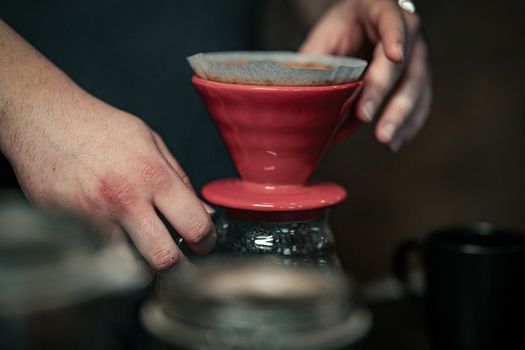
1. Manual Brewing Methods: Devices like the Chemex, V60, and siphon hark back to earlier days of hands-on brewing. These methods allow precise control over extraction, enhancing the natural flavors of each bean. 2. Traditional Processing: Artisanal producers often use washed, natural, or honey processing—methods that originated generations ago. In places like Ethiopia, coffee cherries are still hand-picked and sun-dried on raised beds, preserving the beans’ nuanced flavors. 3. Seasonality and Freshness: Historically, coffee was consumed in sync with harvest cycles. Today, artisanal roasters continue to emphasize seasonal offerings, sourcing beans at peak freshness. According to a 2021 World Coffee Research report, seasonal releases have grown by 23% among specialty roasters in the past five years. 4. Cultural Rituals: Many artisanal cafés incorporate rituals inspired by global coffee traditions, such as Japanese slow brewing or Italian espresso culture, creating immersive experiences for customers.By honoring these customs, the artisanal movement ensures that coffee’s rich heritage remains at the heart of every cup.
Innovation at the Forefront: New Approaches in Artisanal Coffee
While tradition is vital, it’s innovation that propels artisanal coffee into new realms. The last decade has seen a wave of creativity, from farm to cup:
1. Experimental Processing Techniques: Farmers and roasters are experimenting with anaerobic fermentation, carbonic maceration, and yeast-inoculated processing. These methods, borrowed from the wine industry, produce unique flavor profiles—think tropical fruit notes, creamy textures, or unexpected acidity. 2. Advanced Roasting Technology: Modern roasting machines equipped with digital controls and data logging enable unprecedented precision. Roasters can manipulate temperature and airflow minute-by-minute, unlocking flavors previously unattainable. According to Cropster, a leading coffee software company, 67% of specialty roasters now use digital profiling for consistency and experimentation. 3. Brewing Gadgets and Smart Devices: At-home baristas now have access to espresso machines with pressure profiling, app-connected grinders, and even smart scales that guide brewing in real time. These tools, once reserved for professionals, are democratizing high-quality brewing. 4. Sustainability and Eco-Innovation: Artisanal roasters are leading the charge in reducing coffee’s environmental footprint. Initiatives include compostable packaging, carbon-neutral roasting, and water-saving processing. In 2023, over 40% of North American artisanal roasters reported using sustainable packaging, up from just 18% in 2018. 5. Flavor Innovation: From barrel-aged coffees to unique blends featuring rare varietals, artisanal producers aren’t afraid to push the envelope. Limited-edition releases and collaborations with local food artisans (such as chocolate makers or breweries) are increasingly common.Innovation ensures that each cup of artisanal coffee offers something new, exciting, and distinctly memorable.
Comparing Artisanal and Commercial Coffee: A Clear Distinction
To truly understand the impact of artisanal coffee, it helps to see how it stacks up against commercial coffee. Here’s a side-by-side comparison:
| Aspect | Artisanal Coffee | Commercial Coffee |
|---|---|---|
| Sourcing | Direct trade, traceable, often single-origin | Bulk commodity, blended from multiple origins |
| Roasting | Small batch, tailored profiles, frequent seasonal releases | Large batch, uniform roast, year-round consistency |
| Flavor | Complex, diverse, highlights unique bean characteristics | Milder, standardized, designed for mass appeal |
| Price per 12oz Bag (USD) | $15–$25 | $6–$12 |
| Farmer Compensation | Often 30–50% above commodity rates | Commodity market rates |
| Sustainability | Emphasis on eco-friendly practices | Varies, often less prioritized |
| Consumer Experience | Educational, immersive, focuses on storytelling | Convenient, familiar, less personalized |
This comparison highlights that while commercial coffee prioritizes consistency and affordability, artisanal coffee is all about quality, ethics, and the journey from bean to cup.
The Global Impact of Artisanal Coffee
The rise of artisanal coffee is not only changing the way consumers experience their brew—it’s also reshaping communities around the world. Here are some of the most significant impacts:
1. Empowering Farmers: By working directly with growers and paying premium prices, artisanal coffee businesses contribute to better livelihoods. According to Fairtrade International, farmers participating in direct or fair-trade programs report an average income increase of 25% compared to those in commodity markets. 2. Promoting Biodiversity: Many artisanal coffee farms embrace shade-grown and organic farming, which preserves local ecosystems. A 2022 study in Colombia found that shade-grown coffee plantations support up to 60% more bird species than sun-grown monocultures. 3. Fostering Local Economies: Independent cafés and roasteries often source from local suppliers, hire locally, and invest in community initiatives. The U.S. Bureau of Labor Statistics reported that specialty coffee shops accounted for a 14% increase in local food and beverage employment between 2017 and 2022. 4. Educating Consumers: Artisanal coffee is driving a new wave of coffee education, from tasting events to brewing workshops. This not only deepens appreciation but also creates more informed, engaged consumers. 5. Cultural Exchange: By showcasing coffees from around the world and telling the stories of their origins, artisanal coffee fosters a greater understanding of global cultures and traditions.Through these impacts, artisanal coffee extends its benefits far beyond the cup—touching lives, landscapes, and communities.
How to Experience Artisanal Coffee in Your Daily Life
If you’re ready to make the leap from generic brews to artisanal coffee, the journey can be both rewarding and accessible. Here’s how to get started:
1. Visit Independent Cafés: Seek out local coffee shops that roast their own beans or feature rotating selections from artisanal roasters. Don’t be afraid to ask baristas about the origin and tasting notes of their coffees. 2. Explore Single-Origin Offerings: Instead of blends, try coffees from specific regions or farms. Take note of how flavors vary—Ethiopian beans might be floral and tea-like, while Sumatran coffees are often earthy and bold. 3. Invest in Manual Brewing Tools: Devices like the AeroPress, French press, or pour-over setups let you experiment with brewing variables. Many cafés host workshops to help you master these methods. 4. Buy Fresh, Whole Beans: Purchase freshly roasted, whole-bean coffee and grind just before brewing. Look for roast dates and details about the beans’ origin and processing. 5. Participate in Tasting Events: Many roasters offer public cuppings—organized tastings where you sample different coffees side by side. This is a great way to develop your palate and discover new favorites.By approaching coffee as an experience rather than a commodity, you’ll unlock a world of flavors and stories that elevate your daily ritual.
Final Thoughts on Artisanal Coffee’s Unique Blend
Artisanal coffee is far more than a fleeting trend; it’s a movement that champions both the roots and the future of coffee culture. By blending tradition with innovation, artisanal coffee delivers a richer, more meaningful experience—one that connects growers, roasters, baristas, and drinkers in a global community united by a passion for quality and exploration.
Whether you savor coffee for its flavors or its stories, the artisanal approach invites you to slow down, appreciate the craft, and discover something new in every cup. As the world of coffee continues to evolve, one thing remains clear: the art of brewing is alive and thriving, and there’s never been a better time to join the journey.