Exploring the World of Artisanal Coffee: A Comprehensive Guide
Artisanal coffee, synonymous with specialty or craft coffee, represents a pinnacle of quality and innovation in the coffee industry. This comprehensive review delves into the depths of artisanal coffee, covering everything from its origins to advanced brewing techniques. Whether you're a seasoned coffee expert or just beginning to explore this fascinating world, understanding the nuances of artisanal coffee can significantly enhance your coffee-drinking experience.
Origins and Production
.png)
Artisanal coffee distinguishes itself by emphasizing quality, uniqueness, and ethical practices, often utilizing single-origin beans. The journey begins in the fields where environmental factors such as altitude, climate, and soil significantly impact the beans' inherent flavors. Renowned regions like the Ethiopian highlands, Colombian mountains, and Guatemalan terrains are celebrated for their ideal coffee-growing conditions.
The harvesting process in artisanal coffee production is labor-intensive, focusing on handpicking only the ripest cherries. This selective harvesting is pivotal in maintaining the consistency and excellence of the coffee. Post-harvest, the cherries are processed using methods like washed, natural, or honey processing, each imparting distinctive flavor notes to the beans.
The Art of Roasting
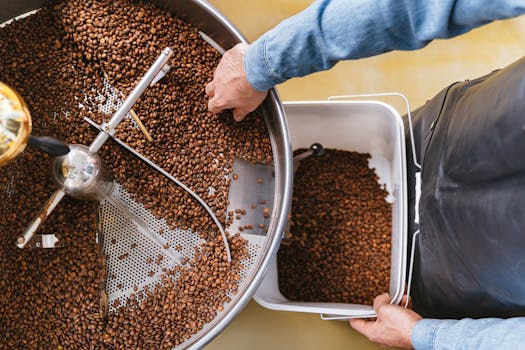
Roasting transforms green coffee beans into the aromatic brown beans known in coffee cups worldwide. Artisan roasters meticulously craft their roasting profiles to accentuate the unique characteristics of each bean type. The roast level can range from light to dark, significantly affecting the coffee's acidity, body, and flavor nuances. Light roasts typically maintain the bean's original flavors, offering a brighter acidity, whereas dark roasts bring about a fuller body and bolder flavors.
Brewing Excellence
Brewing artisanal coffee is an art form, requiring precision and care to fully express the bean's qualities. Enthusiasts often favor techniques such as pour-over, French press, and espresso:
- Pour-over: This method involves pouring hot water over coffee grounds contained in a filter. It allows for meticulous control over brewing variables, making it ideal for showcasing the intricate flavors of artisanal coffee.
- French press: Known for producing coffee with a rich body and depth, the French press method involves steeping coffee grounds in hot water before pressing the grounds to extract the coffee.
- Espresso: Perhaps the most intensive brewing method, espresso is made by forcing hot water through finely ground coffee, resulting in a concentrated and flavorful shot.
Sensory Enjoyment
Appreciating artisanal coffee involves more than just drinking; it's about experiencing the variety of flavors and aromas. From fruity and floral to nutty and chocolaty, the flavor profile can vary widely based on the bean's origin and treatment. Similar to wine tasting, coffee tasting includes evaluating aspects such as aroma, acidity, sweetness, body, and aftertaste.
Conclusion
Artisanal coffee is not just a drink but a rich experience filled with diverse flavors and meticulous craftsmanship. From the careful selection of beans to the precise brewing processes, each step in artisanal coffee production aims to highlight its unique attributes. As interest in artisanal coffee grows, more enthusiasts are drawn to its complexity and quality, offering a profound and enjoyable coffee experience, whether brewed at home or savored in a café.