The Art and Science of Artisanal Coffee Making
Artisanal coffee making has evolved into a sophisticated craft cherished by coffee aficionados worldwide. This meticulous process prioritizes quality and tradition, offering a unique tasting experience that distinguishes it from conventional coffee production. Let's explore the intricate steps involved in artisanal coffee making and how each contributes to the final brew's rich and complex profile.
- Bean Selection
- Roasting
- Grinding
- Brewing
- Water Quality
- Presentation
The foundation of artisanal coffee lies in the selection of high-quality beans. Artisans typically opt for single-origin beans, sourced from specific regions or farms. This choice ensures a distinct flavor profile that mirrors the unique environmental conditions—like altitude, soil quality, and climate—of the growing area. Such precision in bean selection allows artisans to craft a coffee that genuinely represents its origin.
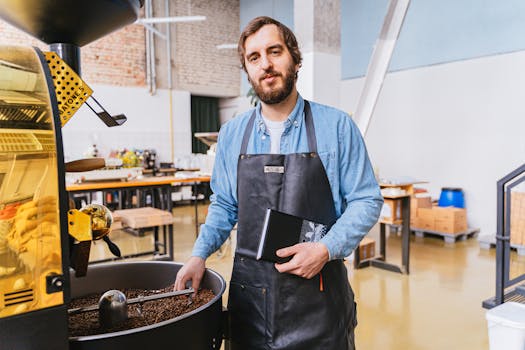
Roasting is a critical step where the true flavors of the coffee bean are developed. Artisanal roasters often roast beans in small batches, giving them greater control over the roast degree. This careful attention to detail helps in achieving a perfect balance between acidity and sweetness. Whether the beans are lightly roasted to preserve intricate floral notes or darkly roasted for a richer body, the roasting process is key to flavor development.
The grinding process is pivotal in artisanal coffee making. The size of the coffee grounds should be tailored to the brewing method to optimize flavor extraction. Fine grinds are ideal for espresso machines where water passes quickly through the coffee, requiring a larger surface area to capture the essence swiftly. Conversely, coarser grinds are better suited for methods like the French press, which allow for a longer steeping time and a fuller extraction.
The brewing method itself is where the magic happens, turning the carefully prepared coffee grounds into the final beverage. Each brewing technique, whether it’s pour-over, espresso, or cold brew, offers different advantages that can enhance particular aspects of the coffee. For example, pour-over brewing is excellent for achieving a clean and aromatic cup, whereas espresso emphasizes body and intensity.
The quality of water used in brewing cannot be underestimated. The mineral content and pH levels can significantly affect how coffee flavors are extracted and perceived. Many coffee artisans prefer using filtered or bottled water to ensure that the water’s properties do not interfere with the natural flavors of the coffee.
In artisanal coffee culture, how the coffee is served is almost as important as how it is made. Presentation in the right cup, at the ideal temperature, and within an inviting environment, can profoundly impact the drinking experience. Artisans often pay close attention to these details to ensure that each cup of coffee provides both aesthetic pleasure and sensory delight.
Conclusion
Artisanal coffee making is an art form that requires passion, precision, and a deep understanding of the coffee bean's journey from farm to cup. Each step in the process is carried out with utmost care to ensure that the final product not only tastes exceptional but also embodies the essence of its origin. For coffee lovers and newcomers alike, delving into artisanal coffee offers a rich, immersive experience that elevates coffee from a daily routine to a luxurious indulgence.
Exploring the world of artisanal coffee can open up new horizons of flavor and craftsmanship, making every sip an adventure worth savoring. Whether at a local coffee shop or through home brewing, the artisanal approach offers a deeper appreciation of coffee's complexity and character.