Unlocking the Craft of Artisanal Coffee: A Guide to Excellence
Artisanal coffee making is a refined craft that marries tradition, meticulous attention, and a profound knowledge of coffee beans to deliver a distinct and enriched taste experience. This craft transcends simple brewing; it encompasses the nuanced selection, roasting, grinding, and brewing techniques that underscore the unique attributes of each coffee variety.
- Selection of Coffee Beans: The Foundation of Flavor
- Roasting: The Art of Flavor Enhancement
- Grinding: Precision for Perfect Extraction
- Brewing: The Culmination of Flavors
- Water Quality and Ratio: Ensuring Purity in Every Sip
- Presentation: Enhancing the Coffee Experience
The process starts with selecting the right beans. Artisanal coffee makers prioritize beans not just for their quality but for their unique characteristics shaped by specific climates, soils, and farming methods. Often, they opt for single-origin beans, which are sourced from a particular area and are known for their distinctive flavor profiles that mirror their origin. These beans are typically handpicked to ensure that only the most mature cherries are harvested, maintaining the highest quality.
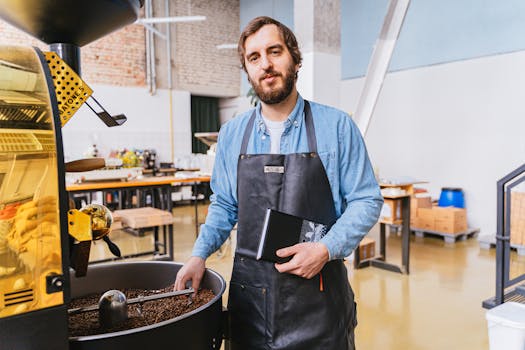
Roasting the beans is a pivotal step that significantly influences the coffee's final taste. This stage requires precise control over temperature and timing to unlock the beans' best flavors. Artisan roasters rely on their senses—smelling, watching, and listening—to gauge when the beans have reached perfect roast. Whether light, medium, or dark, each level of roasting brings forward different notes and textures in the coffee, ranging from fruity and floral to deep and chocolatey.
Proper grinding is crucial. The size of the coffee grounds should be compatible with the brewing method to ensure optimal extraction. Fine grounds are suited for espresso, which needs quick extraction, whereas a coarser grind is ideal for brewing methods like French press, which require a longer steeping time. Uniformity in grind size is essential for a balanced extraction and flavor.
The brewing method integrates all the preparatory steps into the final product. Techniques such as pour-over, espresso, or cold brew each have their own merits and highlight different facets of the coffee. The brewing temperature and duration are critical; overly hot water can release bitter compounds, while too cool water might not fully extract the flavors, resulting in a weak brew.
Using filtered water is crucial as it prevents any unwanted tastes from altering the coffee's flavor. The water-to-coffee ratio is also pivotal and varies depending on the brewing method and desired strength.
Presentation is key in artisanal coffee making. Every element, from the choice of cup to the serving method, is considered to create a holistic sensory experience that includes not only the taste but also the aroma and visual appeal of the coffee.
Conclusion: More Than Just Coffee Artisanal coffee making is an intricate art that demands passion, precision, and a deep respect for the coffee bean. It's about enhancing the natural flavors rather than masking them, ensuring every cup offers a window to its origins and the rich traditions of coffee cultivation. For enthusiasts and newcomers alike, understanding the meticulous process behind artisanal coffee can profoundly enrich the drinking experience, connecting them with unique cultures and artisanal practices worldwide.
By exploring artisanal coffee, you're not just savoring a drink; you're experiencing a centuries-old art form that continues to evolve and delight with every cup.