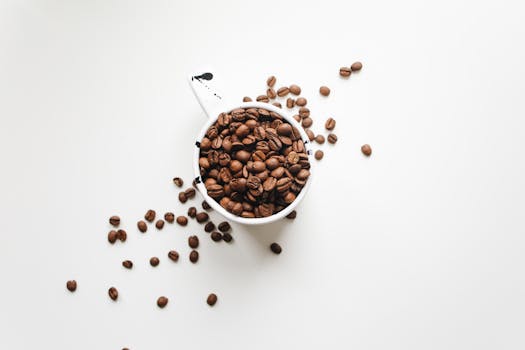
Understanding the Magic of Fresh Coffee: From Beans to Your Cup
Coffee is not just a drink; it's a global phenomenon and a daily ritual for millions. The journey from a coffee bean to a steaming cup of java is captivating, involving a mix of tradition, technology, and craftsmanship. Let's delve into what makes fresh coffee a unique beverage cherished around the world.
Origins of Coffee
.png)
The story begins in the equatorial regions known as the Bean Belt, which encompasses parts of Africa, South America, and Asia. Here, the coffee plants thrive in the lush conditions, producing the cherries that house the coffee beans we value so highly.
Harvesting Coffee
The first critical step is harvesting the coffee cherries. This process can be done either by hand or with machines, depending on the region and the farm's scale. The key is timing; cherries need to be picked when they are perfectly ripe to ensure the highest quality.
Processing the Beans
Once harvested, the cherries undergo processing to extract the beans. There are primarily two methods:
- Dry Processing: This traditional method involves drying the whole cherries in the sun, which takes several weeks. The dried outer part is then mechanically removed.
- Wet Processing: In this method, the pulp of the cherry is removed before the beans are dried. This generally results in a cleaner and fruitier bean.
Roasting the Coffee
Roasting is where the magic happens, transforming green, raw beans into the brown, aromatic ones we use to brew coffee. The roast level can vary from light to dark, significantly impacting the bean's flavor profile. Roasters must consider factors like temperature and timing to achieve the desired roast.
Grinding the Beans
The way coffee is ground plays a crucial role in the brewing process. The grind size should match the brewing method to extract the perfect balance of flavors. Fine grinds are ideal for espresso, which requires a quick extraction, while coarser grinds work best for slower brewing methods like the French press.
Brewing the Coffee
This is the final step where the ground coffee meets water. The brewing method affects the overall flavor and quality of the coffee:
- Drip Brewing: Popular in many households, it involves hot water dripping over coffee grounds.
- Espresso: Requires fine grounds and high-pressure water to produce a concentrated coffee.
- French Press: Known for its rich and full-bodied flavor, it allows coffee grounds to steep directly in hot water.
- Cold Brew: Involves steeping coffee grounds in cold water for an extended period, often resulting in a smoother and less acidic beverage.
Freshness Matters
To experience coffee at its best, freshness is crucial. Coffee should ideally be consumed within weeks of roasting and days of grinding to capture its fullest flavor and aromatic profile. Storing coffee properly in a cool, dark place can help preserve its quality.
Conclusion: A Journey of Flavor
Every cup of coffee is a result of meticulous processes from bean to cup. Understanding this journey can enhance your appreciation of the beverage and inspire you to explore different beans, roasts, and brewing methods. Whether you indulge in a morning cup to start your day or as a way to unwind, fresh coffee offers a delightful experience with each sip.