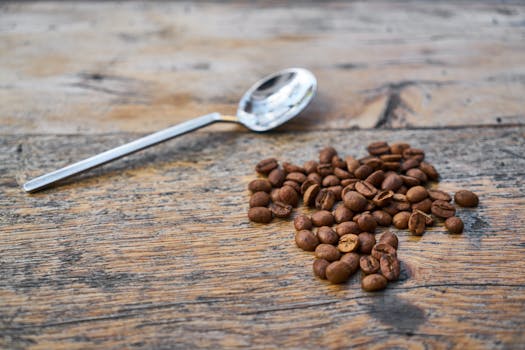
Choosing the perfect coffee bean is a deeply personal journey, one that can transform your daily cup into a memorable ritual. With thousands of beans to choose from and an ever-expanding range of origins, processing methods, and roast profiles, the task can feel overwhelming—even to seasoned coffee lovers. Understanding how each factor shapes flavor, body, and aroma is essential to finding beans that genuinely match your taste. Whether you crave a bright, fruity espresso or a deep, chocolatey French press, this guide will help you decode the world of coffee beans and confidently select the right beans for your palate.
The Fundamentals: What Determines Coffee Bean Flavor?
Several key variables influence the flavor of your coffee beans. Knowing these will help you zero in on the beans that best fit your preferences:
Origin: Coffee beans are grown in over 70 countries, each with unique climate, soil, and altitude conditions. These terroir factors significantly affect taste. For example, Ethiopian beans are known for their floral and citrus notes, while beans from Brazil often carry chocolatey, nutty flavors.
.png)
Varietal: Just like wine grapes, coffee comes in distinct varietals—Arabica and Robusta are the most common. Arabica beans are prized for their complexity, sweetness, and acidity, making up about 60% of global production. Robusta, meanwhile, is higher in caffeine and offers a stronger, more bitter taste.
Processing Method: The way beans are processed after harvest (washed, natural, honey, etc.) alters their flavor profile. Washed coffees tend to be cleaner and brighter, while natural or dry-processed beans often taste fruitier and heavier.
Roast Level: Light, medium, and dark roasts each bring out different flavor compounds. Lighter roasts preserve more of the bean's original character and acidity, while darker roasts highlight caramelized, smoky, or chocolatey tones.
Freshness: Beans are best consumed within a month of roasting. Stale beans lose aromatic oils and develop flat, dull flavors.
By understanding these fundamentals, you'll be prepared to match your taste with the right beans.
Cracking the Code: Matching Bean Types to Your Taste Preferences
Everyone's ideal cup is a little different. The secret to satisfaction is choosing beans that cater to your unique flavor preferences. Here are some common taste profiles and the beans that best deliver them:
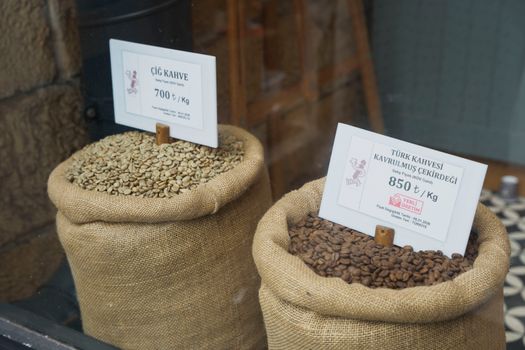
If You Like Fruity and Bright Coffees: Seek out beans from East Africa—especially Ethiopia, Kenya, and Rwanda. These beans often feature notes of berry, citrus, or floral, with vibrant acidity. Look for washed process beans and lighter roasts to preserve their complexity.
If You Prefer Chocolatey or Nutty Flavors: Beans from Brazil, Colombia, or Guatemala tend to have classic chocolate, caramel, and nutty notes. Medium roasts from these regions offer a smooth, balanced cup that’s never too acidic.
If You Crave Deep, Bold, and Smoky Tastes: Choose dark-roasted beans, often from Sumatra, India, or other Asian origins. These beans are typically processed using the wet-hulling method, creating earthy, spicy, and full-bodied flavors.
For Adventurous Palates: Try single-origin microlot beans or experimental processing methods (like honey or anaerobic). These can produce unique flavors—ranging from tropical fruit to wine-like complexity.
Exploring Roast Levels: Light, Medium, or Dark?
Roast level is one of the most influential factors in a coffee’s final taste. Here’s a breakdown to guide your selection:
| Roast Level | Flavor Profile | Acidity | Body | Best Brew Methods |
|---|---|---|---|---|
| Light | Bright, fruity, floral, complex | High | Light | Pourover, Aeropress, Chemex |
| Medium | Balanced, sweet, chocolatey, nutty | Medium | Medium | Drip, French Press, Espresso |
| Dark | Bold, smoky, roasted, bittersweet | Low | Full | Espresso, French Press, Moka Pot |
Light roasts are ideal for those who want to taste the bean's origin, while medium roasts provide a balanced cup with both origin character and roast flavor. Dark roasts are best for those who prefer intensity, low acidity, and a heavier mouthfeel.
Single-Origin vs. Blends: Which Should You Choose?
Coffee is sold as either single-origin or blend, and this choice can further refine your experience:
Single-Origin: These beans come from a specific region, farm, or even a single plot. They highlight unique flavors tied to their origin, making them perfect for those who appreciate distinct and sometimes adventurous taste profiles. Specialty coffee shops often feature single-origin beans as pour-overs or limited releases.
Blends: Blends combine beans from multiple origins to achieve a consistent, balanced cup. They often aim for harmony—melding acidity, sweetness, and body. Blends are excellent for espresso drinkers who want smoothness and reliability, or anyone who prefers a less pronounced origin character.
Fun Fact: According to the National Coffee Association, 53% of American coffee drinkers prefer blends, while 47% opt for single-origin, showing just how split preferences are.
How Brewing Method Influences Your Bean Choice
Not all beans perform equally well with every brewing method. The grind size, extraction time, and water temperature all interact with the bean’s roast and origin to shape the final cup.
Espresso: This high-pressure, short-extraction method amplifies acidity and intensity. Medium to dark roasts are typically preferred, as their flavors hold up well and produce a rich crema. Beans with chocolate, nut, or caramel notes shine as espresso.
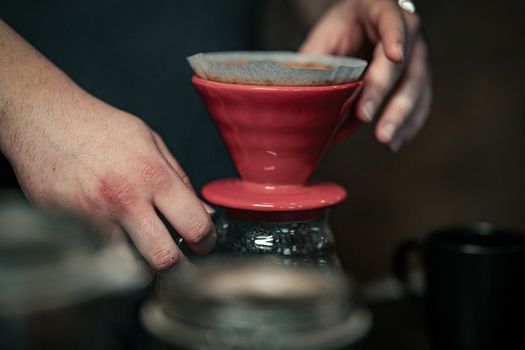
Pour-Over (e.g., V60, Chemex): The slower extraction and paper filtration highlight clarity and brightness. Light and medium roasts, particularly single-origins from Africa or Central America, reveal their subtle, complex flavors.
French Press: This immersion method produces a fuller-bodied cup. Medium and dark roasts work well, especially those from Brazil, Sumatra, or Colombia, which deliver chocolatey, earthy, or nutty profiles.
Cold Brew: Cold extraction emphasizes sweetness and reduces acidity. Beans with chocolate, nut, or caramel notes—often from Latin America—are perfect for cold brew.
Tip: Always ask your coffee roaster if a particular bean is best suited for a specific brewing method. Many specialty shops will offer recommendations based on your setup.
Freshness, Sourcing, and Ethical Considerations
Flavor isn’t the only factor when choosing coffee beans. Freshness and ethical sourcing are increasingly important to today’s coffee drinkers.
Freshness: Coffee beans start to lose their aromatic compounds and flavor within two weeks of roasting. According to a 2022 survey by the Specialty Coffee Association, 68% of coffee enthusiasts cite “roast date” as their top consideration when buying beans. Buy in small quantities and check for roast dates on the packaging.
Direct Trade & Fair Trade: Supporting ethical coffee means looking for beans labeled as Direct Trade, Fair Trade, or Rainforest Alliance Certified. These programs ensure better pay for farmers and sustainable practices at origin.
Specialty Grade: Specialty beans score 80 points or higher on a 100-point scale, evaluated by certified Q-graders. Less than 10% of the world’s coffee qualifies as “specialty”—choose these for exceptional quality and traceability.
Example: In 2023, the global market for specialty coffee was valued at $51.4 billion and is projected to grow 11.3% annually through 2030, showing an increasing consumer preference for quality and ethical sourcing.
How to Experiment and Refine Your Coffee Palate
Discovering your favorite beans is an ongoing adventure. Here are actionable steps to develop your palate and make informed choices:
1. Try Coffee Flights: Many specialty cafes offer sample flights, allowing you to compare beans side-by-side. Take notes on what you notice—acidity, sweetness, aftertaste, mouthfeel, and aroma. 2. Keep a Coffee Journal: Track the beans you try, including origin, roast, processing method, and your tasting notes. Patterns will emerge, helping you refine your preferences. 3. Attend Cuppings: Public coffee cuppings (tasting sessions) are a great way to expand your sensory vocabulary and ask questions of knowledgeable baristas or roasters. 4. Subscribe to Coffee Services: Many online retailers offer subscription services that deliver curated selections based on your taste. Some even allow you to rate coffees for personalized recommendations. 5. Don’t Be Afraid to Ask: Specialty coffee shops and roasters are passionate about their craft and love to guide new enthusiasts. Ask for recommendations—describe your favorite flavors, and let the experts steer you toward the right beans.Final Thoughts on Choosing the Right Coffee Beans for Your Taste
Selecting the right coffee beans is equal parts science and art, blending knowledge of origin, processing, roast levels, and personal taste. By understanding what shapes flavor and experimenting with different beans, you’ll move closer to your ideal cup with every brew. Remember, the world of coffee is vast—don’t hesitate to try new regions, processes, or blends. The more you explore, the more rewarding your coffee experience will become.