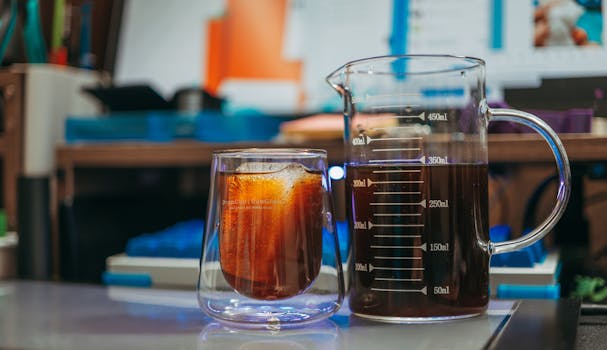
The Explosion of Cold Brew: Why It's More Than Just a Trend
Few beverages have shaken up the coffee world in recent years like cold brew. Once a niche offering at specialty cafes, cold brew coffee is now a global phenomenon appearing everywhere from major chains to supermarket shelves. But this is more than just a fleeting fad. Cold brew has carved out its own identity and continues to surge in popularity, dramatically changing the way people consume and appreciate coffee. What’s behind its meteoric rise, and why is cold brew here to stay? Let’s dive into the numbers, science, and cultural shifts powering the cold brew explosion.
The Meteoric Rise of Cold Brew: Numbers That Tell the Story
Cold brew’s ascent is nothing short of remarkable. According to the National Coffee Association’s 2023 National Coffee Data Trends report, 28% of Americans aged 18-39 reported drinking cold brew regularly, up from just 8% in 2015. In the United States alone, retail sales of refrigerated cold brew coffee grew from $110 million in 2015 to over $600 million by 2022, according to NielsenIQ data.
Major coffee chains have responded in kind. Starbucks, which introduced cold brew nationwide in 2015, now reports that over 70% of its beverage sales are cold drinks, with cold brew and nitro cold brew among the fastest-growing segments. Dunkin’ and Peet’s have also expanded their cold brew menus, while ready-to-drink (RTD) cold brew bottles line grocery store shelves from coast to coast.
.png)
But the cold brew craze isn’t limited to North America. In markets like South Korea, Japan, and the UK, cold brew is rapidly gaining traction, with major international brands launching their own versions and local cafes experimenting with unique recipes.
What Makes Cold Brew Different? The Science Behind the Smoothness
To understand why cold brew has captured so many palates, it helps to know how it’s made. Traditional hot coffee brewing relies on heat to extract flavors and caffeine from ground beans in just a few minutes. In contrast, cold brew is made by steeping coarsely ground coffee beans in cold water for 12 to 24 hours. This slow, gentle extraction process produces a beverage with distinct characteristics:
- Lower Acidity: Cold brew contains up to 67% less acidity than hot-brewed coffee, according to a study published in Scientific Reports (2018). This makes it gentler on the stomach and more palatable to those sensitive to acid. - Smoother Taste: The extended steeping process extracts fewer bitter compounds, resulting in a rounder, smoother, and sometimes sweeter flavor profile. - Higher Caffeine Content: Ounce-for-ounce, cold brew concentrate can pack up to twice as much caffeine as traditional coffee, though it’s often diluted before serving.Here’s a quick comparison:
| Feature | Cold Brew Coffee | Hot Brew Coffee |
|---|---|---|
| Brewing Time | 12-24 hours | 3-5 minutes |
| Acidity Level | Low | Medium-High |
| Smoothness | Smoother, rounder | Brighter, sometimes bitter |
| Caffeine (per 8 oz, undiluted) | ~200 mg | ~95 mg |
| Serving Temp | Cold (over ice or chilled) | Hot |
These factors combine to make cold brew a unique, highly customizable beverage—one that appeals to both coffee aficionados and casual drinkers alike.
Cold Brew Culture: A New Coffee Ritual
Beyond brewing methods and flavor, cold brew represents a cultural shift in how people experience coffee. For decades, hot coffee was synonymous with comfort, routine, and warmth. Cold brew, by contrast, is associated with refreshment, energy, and even adventure.
Many fans describe cold brew as the ultimate “all-day” drink—it’s just as enjoyable on a hot summer afternoon as it is on a brisk morning. Its smoothness and low acidity make it a favorite for those who once avoided coffee due to digestive discomfort or sensitivity to bitterness.
Social media has amplified cold brew’s reputation as a stylish, photogenic drink. Instagram feeds and TikTok videos brim with shots of swirling cold brew, topped with foamy cream or creative flavor infusions. This visual appeal, combined with the rise of on-the-go lifestyles, has helped cold brew become a staple for younger consumers and urban professionals.
Furthermore, the flexibility of cold brew has encouraged experimentation: from nitro-infused versions with a creamy head, to flavored syrups, plant-based milks, and even coffee cocktails, cold brew’s adaptability is a key reason for its enduring popularity.
The Cold Brew Boom in Retail and Ready-to-Drink Markets
The surge in cold brew’s popularity isn’t limited to coffee shops. Supermarkets and convenience stores now dedicate significant shelf space to ready-to-drink (RTD) cold brew bottles and cans. According to Grand View Research, the global RTD coffee market was valued at $22.44 billion in 2022, with cold brew products representing one of the fastest-growing subcategories.
Brands like Stumptown, Califia Farms, La Colombe, and Starbucks offer a dizzying array of RTD cold brew options, from classic unsweetened to vanilla, mocha, oat milk blends, and even sparkling cold brew. In 2021, Starbucks reported that their RTD cold brew drinks grew by over 20% year-over-year.
This widespread availability has contributed to cold brew’s staying power, making it accessible to consumers who may not have the time or equipment to brew it at home. Even fast-food chains and gas stations now offer cold brew on tap, ensuring that the drink is never far from reach.
Health and Sustainability: Cold Brew’s Surprising Advantages
While taste and convenience are big draws, cold brew’s health and environmental credentials also play a role in its popularity. Here’s how:
- Gentler on the Stomach: The lower acidity makes cold brew easier for those with acid reflux or sensitive stomachs. - Fewer Additives Needed: Many enthusiasts find cold brew’s smoothness means less sugar or cream is needed, potentially reducing calorie intake. - Longer Shelf Life: Once brewed, cold brew concentrate can last up to two weeks in the fridge, reducing waste for both households and cafes. - Sustainability: Cold brew can be made in large batches, which can minimize energy use compared to brewing multiple hot cups throughout the day.Some coffee shops are also exploring environmentally friendly packaging for RTD cold brew, such as aluminum cans or glass bottles, appealing to eco-conscious consumers.
Innovation and the Future of Cold Brew Coffee
The cold brew category shows no signs of slowing down. Innovation continues at a rapid pace, with industry leaders and independent roasters alike pushing boundaries. Some exciting trends include:
- Nitro Cold Brew: Infused with nitrogen gas for a creamy, stout-like texture, nitro cold brew is now a mainstay at many cafes and even available in cans. - Functional Ingredients: Brands are adding adaptogens, protein, or vitamins to cold brew, tapping into the wellness trend. - Single-Origin and Specialty Beans: Roasters are highlighting unique coffee origins and processing methods, elevating cold brew to a specialty product. - Home Brewing Equipment: Cold brew makers and kits are increasingly popular, making it easier than ever to DIY at home.The global cold brew market is expected to grow at a CAGR of 25.1% between 2022 and 2028, according to Fortune Business Insights. As consumer preferences shift toward convenient, customizable, and health-conscious beverages, cold brew is uniquely positioned to remain a dominant force in the coffee world.
Why Cold Brew Is Here to Stay
Cold brew’s journey from coffeehouse curiosity to cultural mainstay is powered by more than just hype. With its smooth, mellow flavor, versatile applications, and broad consumer appeal, cold brew has redefined what coffee can be. The numbers show that this is not a passing trend but a fundamental shift in how people enjoy their caffeine. As innovation and demand continue to grow, cold brew’s future looks as bold and refreshing as the drink itself.