Coffee is much more than a beverage—it's a ritual, a science, and an art form steeped in centuries of global tradition. While specialty beans and roast profiles often dominate the conversation, the way you brew your coffee is just as crucial to the final flavor in your cup. With so many brewing methods available, each promising a distinctive taste and experience, understanding these techniques can transform your morning routine into a personalized coffee journey. From the classic drip coffee maker to the robust French press, let's delve into the world of coffee brewing methods, exploring how each process shapes your daily cup.
The Science Behind Coffee Brewing Methods
At its core, coffee brewing is the process of extracting soluble flavors from ground coffee beans using water. The variables—water temperature, grind size, contact time, and pressure—determine the unique profile of each cup. Whether you prefer bold, full-bodied flavors or bright, delicate notes, the brewing method you choose plays an essential role.
According to the National Coffee Association, 62% of Americans drink coffee daily, and nearly half of them brew at home. The variety of methods reflects the diversity of coffee lovers' tastes and lifestyles. Understanding the fundamentals behind each approach can help you select the one that best matches your preferences.
.png)
Drip Coffee Makers: The Everyday Staple
Drip coffee makers (also known as filter coffee machines) are ubiquitous in homes and offices. These machines automate the brewing process, making them convenient and consistent.
Here's how they work: Water heats up and drips over ground coffee held in a paper or reusable filter. Gravity pulls the water through the grounds, extracting flavors as it passes into the carafe below. A typical brewing cycle takes 5 to 10 minutes.
Key facts about drip coffee makers: - According to a 2022 Statista report, 41% of Americans use drip coffee makers at home. - The ideal brewing temperature is between 195°F and 205°F, optimizing extraction without bitterness. - Drip machines typically use a medium grind—too fine and the filter may clog, too coarse and extraction will be weak.Drip coffee is prized for its clarity and clean taste, making it a reliable choice for those who enjoy straightforward, balanced flavors.
French Press: Full-Bodied and Rich
The French press (or press pot) offers a hands-on, immersive brewing experience. Invented in the 1920s and popularized in France and Italy, this method is favored by those seeking a bold, robust cup.
How it works: Coarse coffee grounds steep directly in hot water for 4 to 5 minutes. After steeping, a metal mesh plunger separates the grounds from the liquid. Unlike paper filters, the mesh allows oils and fine particles through, contributing to a heavier mouthfeel and richer taste.
Highlights of French press brewing: - The recommended coffee-to-water ratio is about 1:15 (e.g., 30g coffee to 450ml water). - A 2021 Specialty Coffee Association survey found that 12% of U.S. coffee drinkers use a French press at least weekly. - French press coffee contains up to 30% more oils than drip coffee, amplifying body and depth.For those who appreciate a complex, textured brew, the French press is a timeless favorite.
Pourover and Manual Brewing: Precision in Every Cup
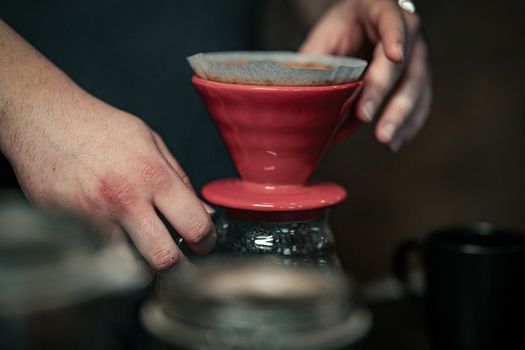
Pourover methods, including devices like the Hario V60, Chemex, and Kalita Wave, offer meticulous control over every brewing variable. This technique has surged in popularity among coffee enthusiasts and baristas seeking to highlight origin characteristics and delicate notes.
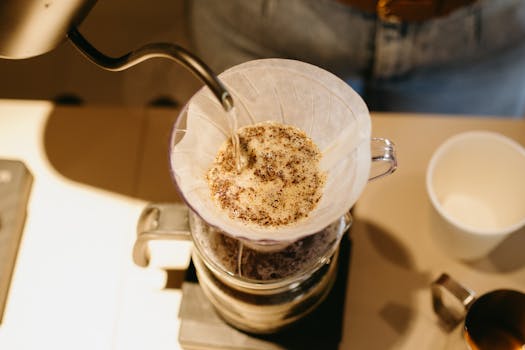
In a pourover, hot water is poured in a slow, circular motion over grounds in a filter, usually made of paper. This allows for precise saturation and extraction. Total brew time ranges from 2.5 to 4 minutes, depending on the device and recipe.
Advantages of pourover brewing: - Allows customization of water temperature, pouring speed, and agitation for optimal extraction. - Chemex filters are 20-30% thicker than standard paper filters, producing an exceptionally clean cup. - According to the International Coffee Organization, pourover devices have seen a 25% increase in sales globally since 2018.Pourover methods are ideal for single-origin coffees or light roasts, where clarity and nuanced flavors shine.
Espresso: Intensity Under Pressure
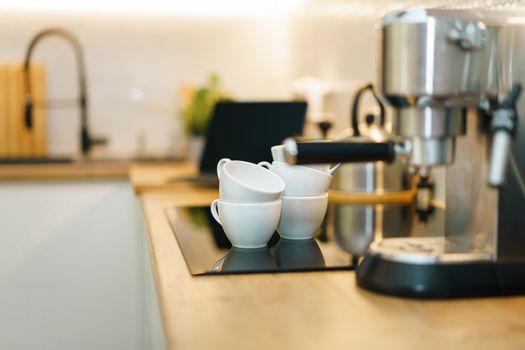
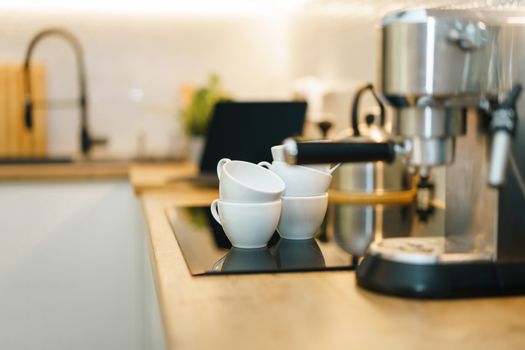
Espresso stands apart as a brewing method that relies on pressure, producing a small, concentrated shot of coffee with a signature crema (foam layer). Invented in Italy in the early 20th century, espresso is the foundation for drinks like lattes, cappuccinos, and Americanos.
Espresso machines force hot water (about 200°F) through finely ground coffee at 9 bars of pressure (about 130 psi), resulting in a 1-2 oz shot in 25-30 seconds.
Espresso facts: - Barista Institute reports that over 60 billion espresso shots are consumed worldwide each year. - A single shot of espresso contains approximately 63 mg of caffeine, compared to 95 mg in an 8 oz drip coffee, but is much more concentrated. - Proper espresso extraction requires precise grind size and tamping pressure, making it both an art and a science.Espresso is favored by those who enjoy intense, concentrated flavors and a creamy texture.
Comparing Popular Coffee Brewing Methods
To help you choose the right method for your needs, here’s a side-by-side comparison of the most popular brewing techniques:
| Method | Brew Time | Grind Size | Flavor Profile | Coffee-to-Water Ratio | Ease of Use |
|---|---|---|---|---|---|
| Drip Coffee Maker | 5-10 min | Medium | Clean, balanced | 1:16 | Very Easy |
| French Press | 4-5 min | Coarse | Full-bodied, rich | 1:15 | Easy |
| Pourover | 2.5-4 min | Medium-Fine | Bright, nuanced | 1:17 | Moderate |
| Espresso | 0.5 min | Fine | Intense, creamy | 1:2 | Challenging |
This table highlights the strengths and requirements of each method, making it easier to match a brewing style to your taste, time, and effort preferences.
Emerging Trends: Cold Brew and Specialty Innovations
While traditional hot brewing methods remain popular, recent years have seen a surge in alternative techniques, such as cold brew and siphon brewing. Cold brew involves steeping coarse coffee grounds in cold water for 12-24 hours, yielding a smooth, low-acid beverage perfect for hot climates or those with sensitive stomachs. According to a 2023 Nielsen report, cold brew sales grew by 27% in the U.S. between 2021 and 2023.
Siphon or vacuum pot brewing, which uses vapor pressure and vacuum to extract coffee, is gaining traction among specialty coffee shops. These methods offer theatrical flair and unparalleled clarity, but require more time and specialized equipment.
Choosing the Right Coffee Brewing Method for You
Selecting a brewing method is a highly personal choice, influenced by flavor preferences, convenience, and even lifestyle. If you value speed and consistency, a drip coffee maker may serve you best. For those who savor the ritual and bold flavors, a French press or pourover might be a better fit. Espresso machines, although an investment, offer café-quality drinks at home for aficionados willing to master the craft.
Experimenting with different methods can open up new dimensions of flavor and enjoyment. By mastering the variables and understanding the characteristics of each approach, anyone can elevate their daily coffee ritual.