Why Specialty Coffee Is Worth the Extra Money: Quality, Ethics, and Experience Explored
For many coffee lovers, the daily cup is both a ritual and a small indulgence. But in an era where a single pour-over can cost three times more than a generic coffee shop brew, it’s natural to question: Is specialty coffee truly worth the extra money? Beyond the price tag, specialty coffee represents a shift in quality, transparency, ethics, and enjoyment. This article unpacks what sets specialty coffee apart, why it commands a premium, and how those extra dollars create value far deeper than what’s in your cup.
Understanding the Specialty Coffee Difference
Specialty coffee is not just a marketing buzzword; it represents an entire supply chain built around exceptional quality, traceability, and sustainability. According to the Specialty Coffee Association (SCA), coffee qualifies as “specialty” when it scores 80 points or higher on a 100-point scale after expert evaluation. Only about 10% of the world’s coffee meets this standard.
What sets specialty coffee apart?
- $1 Specialty coffee uses Arabica beans, which are more delicate and flavorful than the more common Robusta. These beans are hand-picked for ripeness and sorted for defects. - $1 Small-batch processing and roasting ensure that each origin’s unique flavors shine, unlike commodity coffees, which are often over-roasted to mask defects. - $1 Specialty coffee roasters typically roast to order, guaranteeing a fresher cup compared to mass-produced options where beans may sit for months before brewing.The result? A cup with complex flavors—notes of fruit, chocolate, floral, or spice—that mass-market coffees simply cannot match.
.png)
The Real Cost Behind Your Cup: From Farm to Café
When you pay more for specialty coffee, you’re not just investing in taste—you’re supporting a more ethical and transparent supply chain. Let’s break down where your money goes:
- $1 On average, specialty coffee farmers earn 20-100% more per pound than those in the commodity market. For example, while commodity prices have hovered around $1.00-$1.20 per pound in recent years, specialty producers often receive $2.00-$4.00, or even more for exceptional lots. - $1 Many specialty roasters bypass traditional brokers, working directly with farmers. This ensures more of the value stays at origin, supporting community development, environmental stewardship, and better working conditions. - $1 Higher prices allow farmers to invest in better equipment, sustainable farming practices, and post-harvest processing—all of which improve the final cup.Compare this to commercial coffee, where price pressure encourages cost-cutting at every level, often at the expense of quality, the environment, and farmer livelihoods.
Flavor and Experience: What You Get with Specialty Coffee
One of the most immediate and tangible reasons specialty coffee is worth more is the flavor experience. Rather than the generic, sometimes bitter taste of mass-market coffee, specialty coffee offers a world of diversity:
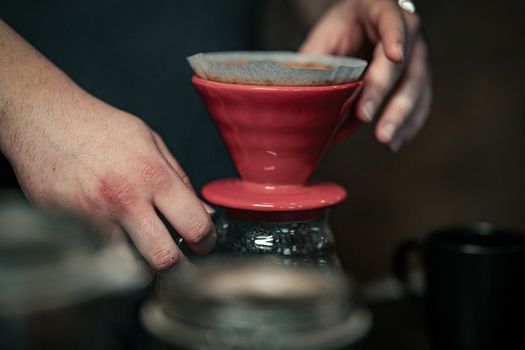
- $1 Each origin—Ethiopia, Colombia, Kenya, Papua New Guinea—brings unique tasting notes, from blueberry to jasmine to citrus. - $1 Specialty shops and roasters prioritize peak freshness, often selling coffee within 2-10 days of roasting. This preserves delicate aromatics and flavors. - $1 Specialty cafés often offer multiple brew methods (pour-over, siphon, Chemex, AeroPress), allowing drinkers to explore how different techniques affect taste and body.For many enthusiasts, discovering these flavors is akin to exploring fine wine or artisanal chocolate—a sensorial journey that justifies the higher price.
Health and Sustainability: More Than Just a Cup
The premium you pay for specialty coffee also supports health and sustainability in several ways:
- $1 Specialty farmers are more likely to use organic or low-impact farming methods. According to the International Coffee Organization, specialty producers are 30% more likely to be certified organic than commercial growers. - $1 Many specialty operations practice shade-grown agriculture, which preserves biodiversity and reduces soil erosion. This contrasts with sun-grown, industrial coffee farms that often result in deforestation. - $1 Higher wages enable investments in healthcare, education, and infrastructure in coffee-growing regions. For instance, in 2022, over $60 million in Fair Trade premiums were invested back into producer communities globally.By choosing specialty coffee, consumers can align their purchasing power with positive health, environmental, and social outcomes.
Specialty vs. Commodity Coffee: A Side-by-Side Comparison
To highlight the differences, here’s a comparative overview of specialty coffee and commodity coffee:
| Aspect | Specialty Coffee | Commodity Coffee |
|---|---|---|
| Bean Quality | Hand-selected, high-grade Arabica, 80+ SCA score | Mixed-grade, often includes defects, lower SCA score |
| Farmer Compensation | $2.00–$4.00+ per pound | $1.00–$1.20 per pound |
| Traceability | Farm-to-cup, often single origin, transparent sourcing | Often blended from multiple origins, minimal traceability |
| Roasting | Small-batch, tailored to origin, roasted to order | Large-scale, uniform profiles, often stale on arrival |
| Environmental Impact | Emphasis on sustainability and biodiversity | May involve deforestation, higher chemical use |
| Flavor Complexity | Unique, nuanced, region-specific notes | Generic, often bitter or flat |
The Value of Ritual and Community in Specialty Coffee
Beyond taste and ethics, specialty coffee creates a sense of ritual and community that many enthusiasts cherish. The process of grinding fresh beans, experimenting with brewing methods, and sharing a cup with friends or baristas adds value to daily life.
- $1 Specialty coffee shops often serve as hubs for creativity, conversation, and cultural exchange. In the US alone, the number of specialty cafés grew by 21% between 2015 and 2023, reflecting increased demand for these communal spaces. - $1 Baristas and roasters regularly host tastings, workshops, and “cuppings,” demystifying the science and art of coffee for newcomers. - $1 Many specialty drinkers report a deeper connection to global communities, knowing their choices directly impact farmers and the environment.This sense of connection and enrichment is difficult to quantify but adds immeasurable worth to each cup.
Final Thoughts: The True Worth of Specialty Coffee
While specialty coffee may cost $4–$6 per cup—double or triple the price of a basic drip—it delivers value on multiple levels. You’re not only enjoying a beverage of superior taste and freshness, but also supporting ethical sourcing, sustainable farming, and vibrant communities from farm to café. For those who seek more than just caffeine—a richer flavor profile, a positive impact, and a daily ritual—specialty coffee is an investment that pays dividends far beyond the cup.