Kopi Coffee Decoded: History, Varieties, and Its Cultural Impact
Few beverages have transcended borders and cultures as seamlessly as coffee, but in Southeast Asia, one variant stands apart for its unique character and heritage: Kopi coffee. For many, the word “kopi” simply means “coffee” in Malay and Indonesian. But to the initiated, kopi is much more—it’s a cultural symbol, a product of colonial history, and a beverage with a flavor profile all its own. While specialty coffee shops and Western-style espressos continue to make waves globally, kopi coffee remains a beloved staple throughout Singapore, Malaysia, and Indonesia, captivating locals and visitors alike.
This article unravels the complexities of kopi coffee by exploring its historical origins, brewing methods, flavor distinctions, social significance, and the ongoing evolution of kopi culture. If you’ve ever wondered what makes kopi different from your usual cup of joe, or why it continues to thrive alongside modern coffee trends, read on.
The Roots of Kopi Coffee: Colonialism and Cultural Fusion
Kopi’s story begins in the 19th century, during the heyday of European colonialism in Southeast Asia. British, Dutch, and Portuguese colonists introduced coffee cultivation to the region, but it was the arrival of Hainanese immigrants in Singapore and Malaysia that gave rise to the kopi culture we know today. These immigrants, often employed in colonial kitchens, adapted coffee preparation methods to suit local tastes and resources.
.png)
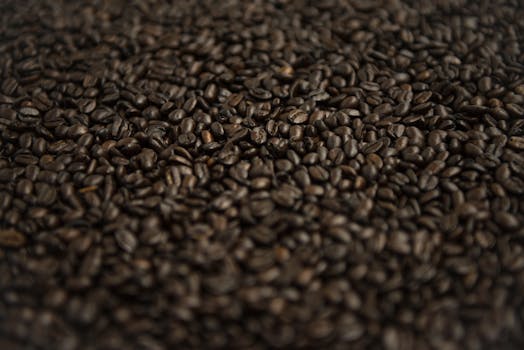
Unlike the filtered or espresso-style coffee popular in Europe, kopi was traditionally brewed using robusta beans, which are more heat-resistant and easier to cultivate in Southeast Asia’s tropical climate. These beans, often roasted with sugar and margarine, produced a dark, caramelized flavor quite distinct from light-roasted Arabica. The resulting beverage was strong, thick, and intensely aromatic.
By the early 20th century, kopi shops—known as kopitiams (from the Hokkien word for coffee shop)—had sprung up everywhere, serving as vital meeting points for workers, writers, and politicians alike. Today, there are over 2,000 kopitiams in Singapore alone, a testament to the enduring popularity and cultural importance of kopi coffee.
Traditional Brewing Methods: The Art of the Sock and Tin
If you’ve ever wandered into a kopitiam, you might have noticed a barista wielding a long, sock-like filter and a weathered metal pot. This is the traditional kopi brewing method, and it’s both an art and a science.
The process begins with robusta beans—often roasted with butter and sugar—ground to a coarse consistency. The grounds are scooped into a cloth filter (the “sock”) and placed inside a tall metal jug. Boiling water is poured over the grounds, and the coffee is allowed to steep for several minutes. The barista then lifts and squeezes the sock, extracting every drop of the potent brew.
This method differs significantly from Western drip or espresso techniques. The cloth filter allows more oils and fine particles into the final beverage, resulting in a thicker, richer cup. In some cases, the coffee is re-brewed over the grounds to intensify the flavor. Sugar and condensed milk are often added directly to the cup, creating the signature “kopi” style drinks.
Let’s compare traditional kopi with other popular brewing methods:
| Brewing Method | Bean Type | Roast Style | Filter Type | Typical Preparation | Flavor Profile |
|---|---|---|---|---|---|
| Kopi (Sock Method) | Robusta | Dark, caramelized (with sugar/margarine) | Cloth sock | Boiling water, steeped, then squeezed | Thick, strong, bittersweet |
| Espresso | Arabica/Robusta blend | Medium to dark | Metal filter (espresso machine) | Pressurized hot water, 25-30 seconds | Intense, bold, creamy |
| Western Drip | Arabica | Light to medium | Paper filter | Hot water dripped over grounds | Clean, mild, aromatic |
Kopi Varieties: Decoding the Lingo
One of the most fascinating aspects of kopi culture is its specialized vocabulary. Ordering kopi at a kopitiam can feel like learning a new language. Each term denotes a specific way the coffee is prepared, from the type of milk to the amount of sugar.
Here are some popular kopi variants:
- Kopi: Coffee with sweetened condensed milk. - Kopi O: Black coffee with sugar, no milk. - Kopi C: Coffee with evaporated milk and sugar. - Kopi Kosong: Black coffee, no sugar and no milk. - Kopi Peng: Iced kopi, usually with condensed milk. - Kopi Gao: Extra strong kopi.This intricate system allows customers to customize their coffee down to the smallest detail. In Singapore, a staggering 80% of coffee consumed at kopitiams is kopi, demonstrating its dominance over Western-style brews.
Flavor Profile and Health Aspects: What Sets Kopi Apart?
Kopi’s flavor is unmistakable: robust, smoky, and slightly sweet, with a creamy texture thanks to the use of condensed or evaporated milk. The roasting technique—often involving sugar, margarine, or even butter—imparts a caramelized, almost chocolaty aroma that lingers on the palate.
Caffeine content in kopi is generally higher than in Western-style drip coffee due to the robusta beans and the concentrated brewing method. A typical cup of kopi contains about 80-120 mg of caffeine, compared to 60-80 mg in a standard 8-ounce drip coffee. This makes kopi a favorite morning pick-me-up for many Southeast Asians.
However, the use of condensed milk and sugar means kopi can be high in calories. A regular cup may contain between 120 and 180 calories, primarily from added sugars and fats. For those watching their sugar intake, kopi kosong (no sugar, no milk) or kopi C kosong (evaporated milk, no sugar) are lower-calorie options.
The Social and Economic Significance of Kopi Coffee
Kopitiams are more than just coffee shops—they are social institutions. Historically, these establishments played a crucial role in community life, serving as gathering spots for friends, families, and even political movements. The kopitiam is where deals are brokered, news is shared, and generations bond over cups of strong, sweet coffee.
Economically, kopi coffee supports a vast ecosystem in the region. In Malaysia alone, the coffee shop sector employs over 200,000 people and generates an estimated RM 6.7 billion (about USD 1.6 billion) annually. In Singapore, local brands like Ya Kun Kaya Toast and Toast Box have successfully exported the kopi culture worldwide, opening outlets in cities from Beijing to Jakarta.
The enduring appeal of kopi lies not just in its taste but in its accessibility. A cup of kopi typically costs between SGD 1.20 and SGD 1.80 (less than USD 1.50), making it affordable for people from all walks of life.
Modern Kopi: Innovation and Global Appeal
As global coffee culture evolves, kopi coffee has adapted in creative ways. Contemporary kopitiams and specialty cafes now offer modern takes on classic kopi, experimenting with single-origin beans, lighter roasts, and alternative milks like oat or almond. Some have even introduced kopi-inspired desserts, such as kopi-infused cakes and ice creams.
International recognition is growing, too. In 2019, Singapore’s Ya Kun Kaya Toast was listed among Asia’s top 50 most influential coffee brands. Kopi is now available in canned and bottled formats, making it accessible to a wider audience worldwide.
At the same time, there’s a renewed interest in preserving traditional kopi methods. Community initiatives and heritage programs are working to document and teach the art of kopi brewing, ensuring future generations can appreciate this cultural treasure.
Final Thoughts: The Enduring Allure of Kopi Coffee
Kopi coffee is more than just a beverage—it’s a living tradition, shaped by centuries of history, migration, and innovation. Its distinctive flavor, unique brewing methods, and deep cultural roots make it a standout in the global coffee landscape. Whether enjoyed in a bustling kopitiam or reimagined in a modern café, kopi continues to connect people across generations and geographies.
As kopi culture spreads beyond Southeast Asia, more coffee lovers worldwide are discovering the charms of this remarkable brew. If you haven’t tried authentic kopi yet, there’s no better time to explore its rich, complex world.