The Revolution of Specialty Coffee: A New Era
Coffee has long been a daily ritual, a social lubricant, and an economic powerhouse. But in recent years, a remarkable transformation has swept across the world’s coffee cups: the revolution of specialty coffee. This movement isn’t just about better beans or fancy brewing methods—it’s a fundamental shift in how coffee is grown, sourced, prepared, and appreciated. The specialty coffee revolution has elevated a once-humble beverage into an artisanal experience and a global driver of sustainability, innovation, and culture. Let’s explore how this new era is reshaping our relationship with coffee.
Defining Specialty Coffee: Beyond the Bean
Specialty coffee is not a marketing buzzword; it’s a rigorous standard that starts with the green bean and extends to the final cup. According to the Specialty Coffee Association (SCA), only coffees scoring 80 points or above on a 100-point scale qualify as “specialty.” This grading system assesses attributes such as aroma, flavor, aftertaste, acidity, body, balance, and absence of defects.
Less than 10% of the world’s coffee production achieves specialty status. Most mass-market coffee is made from commodity-grade beans, often Robusta or low-grade Arabica, and is blended for consistency rather than distinction. In contrast, specialty coffee focuses on high-quality Arabica beans, often single-origin, with traceable supply chains and unique flavor profiles that reflect terroir—just like fine wine.
.png)
This meticulous approach has led to a new appreciation for coffee as an artisanal product. For example, a single farm in Ethiopia may produce beans with notes of blueberry and jasmine, while a Guatemalan micro-lot can deliver flavors of chocolate and citrus. The result is a dazzling variety of tastes and aromas that were almost unknown to most consumers just two decades ago.
The Third Wave: How Specialty Coffee Changed the Industry
The specialty coffee movement is often associated with the “Third Wave” of coffee. The first wave was about mass accessibility (think supermarket tins and instant coffee). The second wave, championed by chains like Starbucks, introduced espresso drinks and café culture. The third wave, emerging in the early 2000s, is all about elevation and transparency.
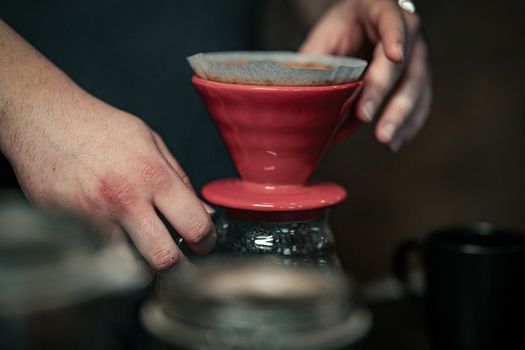
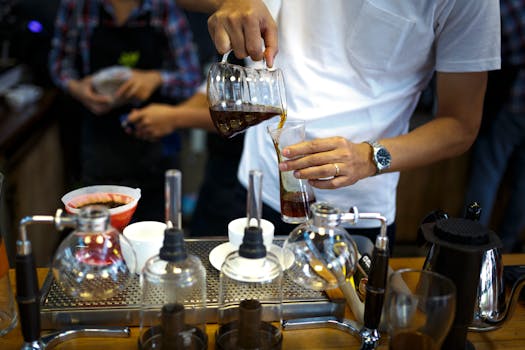
Third wave roasters and cafés treat coffee as a craft, not a commodity. They source beans directly from farmers (often at premium prices), roast in small batches to highlight unique characteristics, and brew with precision. The focus is on sustainability, ethical sourcing, and education—baristas are often as knowledgeable as sommeliers.
The impact is substantial. According to Allegra’s World Coffee Portal, the global specialty coffee market was valued at $35.9 billion in 2022 and is projected to grow at over 11% CAGR through 2028. The United States alone boasts more than 37,000 specialty coffee shops as of 2023, a number that’s doubled since 2010.
From Farm to Cup: How Specialty Coffee Supports Sustainability
One of the greatest achievements of the specialty coffee revolution is its commitment to ethical and sustainable practices. Traditional coffee farming, driven by low commodity prices, often leads to environmental degradation and economic hardship for growers. Specialty coffee, by contrast, emphasizes quality over quantity, environmental stewardship, and fair compensation.
Direct trade relationships are a cornerstone of this approach. Roasters visit farms, build long-term partnerships, and pay significantly higher prices—sometimes up to four times the commodity rate. This empowers farmers to invest in better agricultural practices, pay fair wages, and improve their communities. According to the SCA, specialty coffee farmers typically receive 25% to 40% more income compared to those selling to the commodity market.
Environmental sustainability is also central. Many specialty coffee farms use shade-grown methods that preserve biodiversity and protect soil health. Certifications like Rainforest Alliance, Organic, and Fair Trade help ensure responsible practices, but direct relationships often go even further, supporting reforestation, water management, and renewable energy projects.
The New Coffee Experience: Technology, Community, and Education
Specialty coffee’s impact goes beyond the bean—it’s transforming how people experience and learn about coffee. Cafés are becoming vibrant hubs for community, creativity, and education. Baristas use precision tools like refractometers and digital scales, and customers can attend tastings (“cuppings”), classes, and even farm visits via virtual reality.
Technology is playing a vital role. Mobile apps allow consumers to trace their coffee’s journey from farm to cup, while subscription services deliver fresh micro-lot beans to homes worldwide. Roasters are employing data analytics and artificial intelligence to perfect roast profiles and reduce waste. For example, Cropster, a software platform used by 3,000+ roasters globally, tracks every detail of the roasting process to ensure consistency and quality.
Cultural appreciation is also growing. Specialty coffee shops often host art exhibits, live music, and public discussions, fostering a sense of belonging and curiosity. Coffee competitions—like the World Barista Championship, which draws participants from over 50 countries—have elevated barista skills to an international stage, inspiring a new generation of coffee professionals.
Specialty Coffee vs. Traditional Coffee: A Comparative Overview
To better understand the revolution, let’s compare specialty coffee with traditional (commodity) coffee across key dimensions:
| Aspect | Specialty Coffee | Traditional Coffee |
|---|---|---|
| Bean Quality | Scores 80+ (Arabica), single-origin, no defects | Lower-grade Arabica or Robusta, blended, may have defects |
| Source & Traceability | Direct trade, transparent supply chain, farm-level traceability | Anonymous bulk sourcing, limited traceability |
| Farmer Compensation | Premium prices (up to 4x commodity rates) | Commodity prices, often below cost of production |
| Sustainability | Focus on environmental and social impact, often certified or beyond | Variable; often associated with deforestation and low wages |
| Flavor Profile | Distinct, complex flavors reflecting origin | Generic, consistent, sometimes bitter |
| Preparation | Precision brewing, education-focused, barista expertise | Mass brewing, limited focus on technique |
Global Impact: Specialty Coffee as a Catalyst for Change
The specialty coffee movement is making waves far beyond cafés and roasteries. It’s fostering economic empowerment, environmental recovery, and cultural exchange on a global scale.
1. Economic Impact: In countries like Colombia, Ethiopia, and Guatemala, specialty coffee exports are revitalizing rural economies. In Ethiopia, for example, specialty coffee exports reached $1.4 billion in 2022, supporting over 15 million livelihoods. Farmers who previously struggled with volatile prices now have access to stable, premium markets. 2. Environmental Stewardship: Specialty coffee’s focus on shade-grown and organic methods helps conserve critical habitats. According to the Smithsonian Migratory Bird Center, shade-grown coffee farms can support up to 243 bird species per hectare—compared to as few as 6 species on sun-grown, monoculture farms. 3. Cultural Connection: Specialty coffee has become a medium for cross-cultural appreciation. Coffee festivals, tasting events, and global competitions unite people from diverse backgrounds. The World Coffee Research organization is also investing in new varietals and agronomy techniques to safeguard the future of specialty coffee in the face of climate change.Final Thoughts: The Future of Specialty Coffee
The revolution of specialty coffee is still unfolding. As consumers become more discerning and passionate, the demand for transparency, sustainability, and innovation will only intensify. Advances in agronomy, roasting technology, and global logistics promise to bring even greater diversity and quality to our cups.
Specialty coffee’s emphasis on relationships—between grower, roaster, barista, and drinker—reminds us that every cup is a story. With each sip, we participate in a global community striving for fairness, flavor, and a sustainable future. Whether you’re a casual drinker or a devoted aficionado, the new era of specialty coffee invites you to taste, learn, and connect as never before.