Farm-to-Cup: The Journey of a Coffee Bean
Few beverages inspire as much devotion as coffee. Each cup poured embodies a remarkable voyage—a journey that begins on a distant farm and culminates in the aromatic brew in your mug. But how does a humble coffee cherry travel thousands of miles, endure multiple transformations, and arrive at your local café as a perfectly roasted bean? Exploring the farm-to-cup journey not only unravels the science and artistry behind coffee but also highlights the global chain of people, processes, and decisions that shape every sip. Let’s embark on this fascinating journey, tracing the life of a coffee bean from its origins to your cup.
The Origins: Coffee Farming and Cultivation
The journey of a coffee bean starts in the world’s coffee belt—a region stretching along the equator through more than 70 countries. Brazil, Vietnam, Colombia, and Ethiopia are among the top producers, responsible for more than 60% of global coffee output.
Coffee beans are seeds nestled inside the fruit of the Coffea plant, commonly referred to as cherries. There are over 120 species of Coffea, but Arabica (Coffea arabica) and Robusta (Coffea canephora) dominate commercial production. Arabica, prized for its delicate flavors, accounts for about 60% of global consumption, while Robusta delivers higher caffeine content and a bolder taste.
.png)
Cultivation is a meticulous process. Coffee plants need specific conditions: high altitudes (typically 2,000–6,000 feet), consistent rainfall, and rich, well-drained soils. It takes 3 to 4 years for a coffee tree to bear fruit, and the cherries are generally handpicked to ensure only ripe fruit is selected. On average, a single tree yields enough cherries to produce just one to one-and-a-half pounds of roasted coffee per year.
Harvesting and Processing: From Cherry to Green Bean
Once the cherries ripen—turning a deep red or yellow depending on the variety—they are harvested. In many regions, selective hand-picking is favored, especially for high-quality beans, though strip picking and mechanical harvesting are used in larger operations.
The cherries’ journey continues through processing, which is crucial for developing flavor and quality. There are two primary methods:
- Washed (Wet) Process: Cherries are pulped to remove the outer skin, then fermented to break down mucilage before being washed and dried. This method produces clean, bright flavors. - Natural (Dry) Process: Cherries are dried whole, allowing the fruit’s sugars to infuse the beans, resulting in fruity, complex profiles.After drying, beans are hulled to remove the parchment layer (in washed coffees) or dried fruit (in natural coffees), sorted, and graded for defects, size, and density. Only about 20% of harvested beans meet specialty-grade standards, underscoring the rigorous selection process.
Global Logistics: The Export and Import of Green Coffee
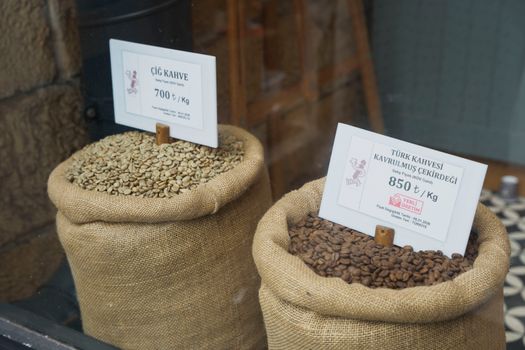
Green coffee beans, still raw and shelf-stable, are packed into 60- or 70-kilogram jute bags and shipped around the world. In 2023, over 170 million 60-kg bags of coffee were produced globally, with more than 80% destined for export.
The logistics chain is complex. Beans travel from remote farms to export mills, ports, shipping containers, and, finally, to importers in coffee-consuming countries. Factors such as humidity, temperature fluctuations, and transport time can affect bean quality—prompting the use of specialized packaging like GrainPro bags or climate-controlled containers for premium shipments.
The table below summarizes the top coffee-producing countries and their 2023 export volumes:
| Country | 2023 Coffee Production (million 60-kg bags) | Share of Global Exports (%) |
|---|---|---|
| Brazil | 66.3 | 32% |
| Vietnam | 30.2 | 16% |
| Colombia | 11.5 | 9% |
| Ethiopia | 8.3 | 5% |
| Honduras | 6.5 | 4% |
This global flow not only connects farmers and traders but also exposes coffee to strict quality controls and international certifications (such as Fair Trade or Rainforest Alliance), impacting both price and provenance.
Roasting: Transforming Green Beans into Flavor
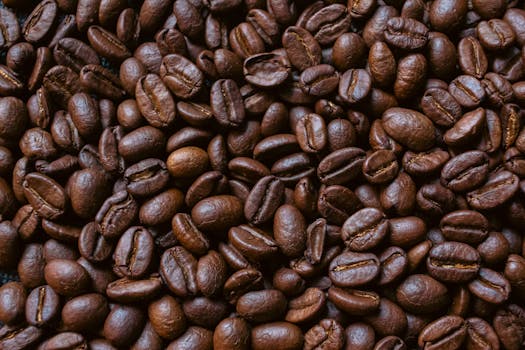
Once green beans reach their destination, the art and science of roasting begins. Roasting is where coffee’s raw potential is unlocked. Temperatures between 370°F and 540°F rapidly transform bland green beans into aromatic, flavorful coffee.
Roasting time and temperature profiles are carefully controlled to accentuate specific flavor notes—bright acidity in light roasts, caramelized sweetness in medium roasts, and bold, smoky undertones in dark roasts. Chemical changes during roasting (notably the Maillard reaction and caramelization) are responsible for the complex bouquet of flavors and aromas.
For specialty coffee, small-batch roasting is common. Roasters often “cup” (taste and evaluate) each batch for consistency and quality. According to the Specialty Coffee Association, only about 2% of the world's coffee is graded as "specialty," meeting strict criteria for flavor, aroma, and absence of defects.
Grinding and Brewing: Final Steps to the Cup
Once roasted, coffee is ground to match the intended brewing method. Grind size—from coarse for French press to fine for espresso—dramatically influences extraction and flavor. Pre-ground coffee loses freshness quickly; whole beans are best ground just before brewing to preserve volatile oils and aromas.
Brewing brings together water temperature, contact time, and coffee-to-water ratio. The National Coffee Association recommends water temperatures between 195°F and 205°F for optimal extraction. A typical “golden ratio” is 1 to 2 tablespoons of coffee per 6 ounces of water, though personal taste preferences vary.
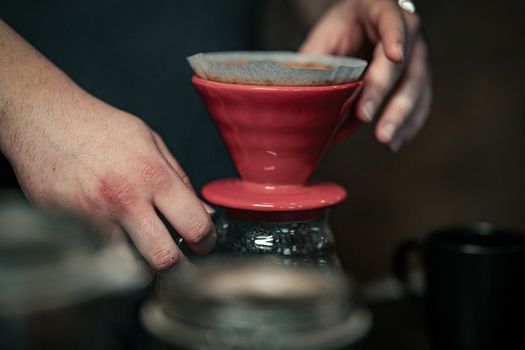
From pour-over and espresso machines to AeroPress and siphon brewers, the diversity of brewing methods ensures every coffee drinker can tailor the final cup to their liking. The flavors experienced are the cumulative result of every step in the bean's journey.
The Human Touch: People Behind Each Cup
While technology and science play essential roles, it’s the human element that truly defines the farm-to-cup journey. Coffee supports the livelihoods of more than 25 million farmers worldwide, most of whom operate small, family-run farms with less than 5 hectares of land.
Each stage—cultivation, processing, exporting, roasting, and brewing—relies on expertise passed down through generations. From a grower’s careful tending of coffee trees to a barista’s skilled pour, passionate individuals shape the bean’s transformation at every step.
Additionally, the rise of direct trade and transparency initiatives has fostered closer relationships between farmers and roasters, ensuring fair compensation and driving improvements in quality and sustainability. As consumers become more curious about the story behind their coffee, the farm-to-cup journey is increasingly celebrated for its social and environmental significance.
Why Understanding the Farm-to-Cup Journey Matters
Knowing the path your coffee takes deepens appreciation for every cup. It connects you not only to distant lands and cultures but also to the hands and hard work that make your daily ritual possible. Each stage of the journey—farming, processing, shipping, roasting, and brewing—adds value, shapes flavor, and contributes to the overall impact of coffee as a global commodity.
By choosing coffee with clear provenance or ethical certifications, consumers can support sustainable practices and ensure farmers are fairly compensated. Understanding the farm-to-cup journey empowers drinkers to make informed choices and savor each sip with greater awareness and respect.