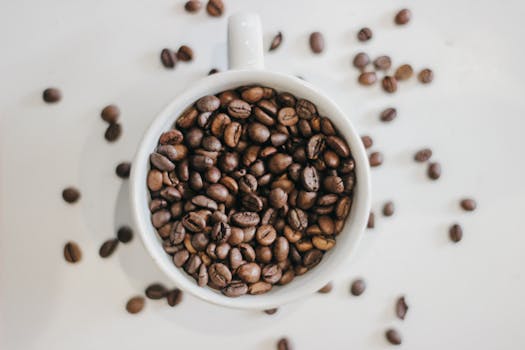
Coffee is more than just a morning ritual or a daily pick-me-up—it’s a world of flavors waiting to be discovered. For many, the journey from a simple cup of joe to a nuanced appreciation of coffee’s complex taste is transformative. Enter the art of coffee tasting, or “cupping,” a practice that not only deepens your enjoyment but also sharpens your palate and connects you to the global community of coffee lovers. Whether you’re a curious beginner or a seasoned sipper, learning how to taste coffee thoughtfully opens up a new dimension of sensory experience.
The Basics of Coffee Tasting: What Is Cupping?
Coffee tasting, known formally as “cupping,” is a systematic way of evaluating coffee’s aroma and flavor profile. Cupping isn’t just for professional baristas or coffee graders; it’s an accessible practice for anyone interested in developing a more discerning palate.
During a cupping session, ground coffee is steeped in hot water, and tasters use spoons to slurp the liquid, drawing it across the palate to evaluate different characteristics. The Specialty Coffee Association (SCA) developed a standardized process for cupping, which ensures consistency and allows for meaningful comparison between coffees from different regions or roast levels.
.png)
Key attributes assessed during cupping include:
- $1: The fragrance of the dry and wet grounds - $1: Overall impression of taste, including notes like berry, chocolate, or floral - $1: Brightness or sharpness in the coffee (not to be confused with pH) - $1: The weight or texture in the mouth - $1: Flavors that linger after swallowing - $1: How well the different attributes harmonizeAccording to the SCA, over 125 million people worldwide depend on coffee production for their livelihoods, making cupping an important tool not only for enjoyment but also for quality assessment and fair pricing.
Understanding Your Palate: How Taste Works
Developing your palate starts with understanding how taste operates. Humans perceive flavor through a combination of taste buds and olfactory senses. Our tongues detect five basic tastes: sweet, sour, salty, bitter, and umami. However, most of what we experience as flavor actually comes from our sense of smell; studies suggest that 80% of flavor is detected through the nose.
Coffee contains over 800 aromatic compounds—more than wine—making its flavor profile incredibly complex. As you train your palate, you’ll learn to identify subtle differences between coffees, such as the bright citrus notes in an Ethiopian Yirgacheffe versus the deep chocolate undertones of a Sumatran Mandheling.
A helpful exercise is to compare coffee tasting to wine tasting. Both require attention, vocabulary, and practice. However, coffee’s wide range of origins, processing methods, and roast profiles create a unique challenge and opportunity for sensory discovery.
Preparing for a Coffee Tasting Session at Home
You don’t need a professional setup to start tasting coffee seriously at home. With a few basic tools and some intentionality, anyone can begin exploring coffee’s nuances.
Essentials for a home cupping session:
- Fresh, whole-bean coffee (preferably single-origin) - Burr grinder (for consistent grind size) - Digital scale (accuracy is key) - Cupping bowls or small cups (ideally 6–8 oz each) - Kettle for hot water (195°F to 205°F is optimal) - Spoons (deep-bowled are best) - Timer - Clean water for rinsingStep-by-step process:
1. Measure and grind 8.25 grams of coffee per cup, using a medium-coarse grind. 2. Smell the dry grounds and note the aroma. 3. Pour 150 ml of hot water over each sample. 4. After about 4 minutes, break the crust of grounds that forms on top, and inhale deeply. 5. Use a spoon to skim off grounds, then slurp the coffee from the spoon, spraying it across your palate to maximize flavor detection. 6. Take notes on aroma, acidity, body, flavor, and aftertaste.Practice regularly, ideally comparing two or more coffees side-by-side. Over time, your ability to detect subtle differences will improve dramatically.
The Flavor Wheel: A Roadmap for Coffee Descriptors
One of the most helpful tools in coffee tasting is the Coffee Taster’s Flavor Wheel, developed by the Specialty Coffee Association and World Coffee Research. This colorful wheel organizes common aroma and flavor descriptors, helping tasters articulate what they’re experiencing.
Some common coffee flavor notes include:
- Fruity (berry, citrus, apple, stone fruit) - Floral (jasmine, rose, chamomile) - Nutty (almond, hazelnut, peanut) - Sweet (caramel, honey, brown sugar) - Chocolatey (cocoa, dark chocolate, milk chocolate) - Spicy (cinnamon, clove, black pepper) - Earthy (mushroom, fresh earth, wood)Here’s a comparison of flavor notes commonly found in coffee from different regions:
| Origin | Common Flavor Notes | Acidity Level | Body |
|---|---|---|---|
| Ethiopia (Yirgacheffe) | Floral, citrus, berry | High | Light |
| Colombia | Caramel, nutty, red fruit | Medium to high | Medium |
| Sumatra (Mandheling) | Earthy, chocolate, spice | Low | Full |
| Guatemala (Antigua) | Cocoa, toffee, citrus | Medium | Medium |
| Kenya | Blackcurrant, tomato, citrus | High | Medium |
Using the flavor wheel and comparison tables can help you build a vocabulary for describing coffee, making the process more engaging and insightful.
Training Your Palate: Practical Exercises and Tips
Building a refined palate doesn’t happen overnight, but with consistent practice, anyone can develop the ability to distinguish and appreciate coffee’s subtleties. Here are several strategies and exercises to accelerate your palate development:
1. $1: Slow down and focus on each sip. Try to identify the basic tastes (sweet, sour, bitter), then move to more specific notes. 2. $1: Always taste at least two coffees side-by-side. This highlights differences and sharpens your sensory awareness. 3. $1: Smell and taste fruits, nuts, spices, and chocolates separately, then try to find those notes in your coffee. 4. $1: Record your impressions. Over time, you’ll notice patterns and preferences emerging. 5. $1: Many specialty coffee shops host public cuppings. These are valuable opportunities to taste a range of coffees and learn from experts.According to a 2020 survey by the National Coffee Association, 41% of American consumers reported drinking specialty coffee daily, up from 36% in 2019. This growing interest reflects a cultural shift toward greater appreciation for coffee’s complexity and the role of tasting in the experience.
Beyond Taste: The Social and Cultural Dimensions of Coffee Tasting
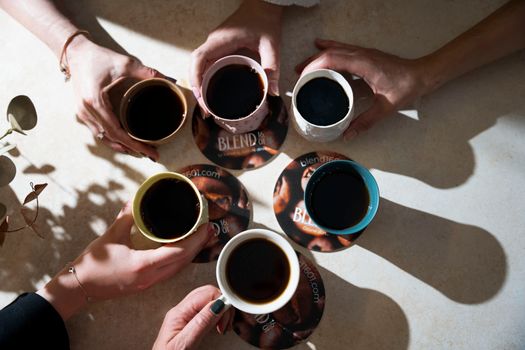
Coffee tasting isn’t just a solitary pursuit; it’s a social and cultural activity that brings people together. Around the world, cupping sessions serve as a communal ritual, fostering conversation and connection among producers, roasters, and coffee lovers.
In Ethiopia, the birthplace of Arabica coffee, traditional coffee ceremonies involve roasting, grinding, and brewing beans in front of guests, followed by a shared tasting. In modern specialty cafes, public cuppings allow consumers to interact with baristas and learn about the origins and stories behind each cup.
Coffee tasting also has economic and ethical dimensions. By learning to identify high-quality coffee, consumers can make more informed choices and support producers who invest in sustainable and ethical practices. According to Fairtrade International, over 800,000 coffee farmers worldwide benefit from Fairtrade-certified sales, which often correlate with higher cup quality and traceability.
Final Thoughts on Developing Your Coffee Palate
Introducing coffee tasting into your daily routine is a rewarding way to deepen your appreciation for one of the world’s most beloved beverages. By learning to cup coffee and develop your palate, you’ll unlock a world of flavors, stories, and connections. Whether you’re savoring a single-origin Ethiopian pour-over or comparing beans from across the globe, each cup becomes an adventure in taste.
Remember, palate development is a journey, not a destination. With curiosity, practice, and an open mind, anyone can become a more insightful and enthusiastic coffee taster. Cheers to your next cup—and to the discoveries that await!