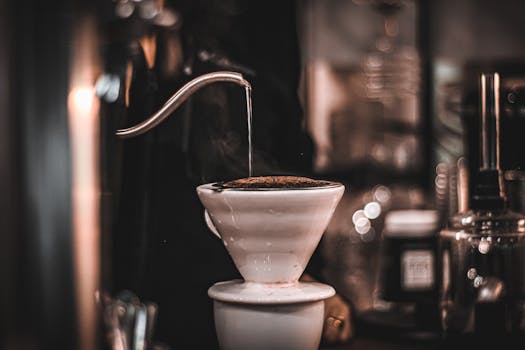
The Charm and Appeal of Fresh Coffee: A Sensory Journey
Few daily rituals offer as much comfort, pleasure, and intrigue as savoring a cup of fresh coffee. From the first whiff of aromatic grounds to the lingering finish of a well-brewed cup, fresh coffee has a unique ability to awaken the senses and elevate ordinary moments. But what exactly makes fresh coffee so captivating, and why does it hold such a beloved place in cultures worldwide? In this exploration, we’ll delve into the science, artistry, and culture behind fresh coffee’s enduring charm, uncovering the reasons it continues to enchant coffee lovers everywhere.
The Sensory Experience: Why Fresh Coffee Delights
Fresh coffee is far more than just a beverage—it’s a full-bodied sensory event. When coffee beans are freshly ground and brewed, they release over 800 aromatic compounds, according to the Specialty Coffee Association. This complex bouquet engages the nose with notes of chocolate, fruit, nuts, and spices, setting the stage for a multi-layered tasting experience.
The flavor of fresh coffee is notably vibrant. Freshly roasted and ground beans yield a cup that is brighter, more nuanced, and less bitter than coffee made from stale grounds. The volatile oils responsible for coffee’s signature flavors and aromas degrade rapidly after grinding—within 15 minutes, as researchers at the University of Oxford have found, much of the coffee’s aromatic profile is lost. This is why a cup made moments after grinding tastes markedly different from one brewed with pre-ground coffee.
.png)
Beyond aroma and flavor, fresh coffee engages the senses of touch and sight. The crema atop a freshly pulled espresso, the glossy sheen of just-ground beans, and the tactile warmth of a mug all contribute to a ritual that feels both luxurious and accessible. This multisensory interplay is at the heart of fresh coffee’s universal appeal.
The Science of Freshness: What Happens Inside the Bean
To understand why fresh coffee tastes so much better, it’s important to look at what happens inside the coffee bean from roasting to brewing. Coffee beans are packed with volatile organic compounds, natural oils, and acids that contribute to their unique flavors. These chemical components are most potent and harmonious shortly after roasting and grinding.
After roasting, beans release carbon dioxide—a process known as degassing. According to a 2020 study, coffee beans lose about 70% of their CO2 within eight days of roasting. This gas helps create the rich crema in espresso and preserves delicate flavors. As the beans age, oxidation sets in, rapidly dulling the coffee’s brightness and complexity.
Similarly, grinding exposes more surface area to oxygen, accelerating the breakdown of oils and aromatics. This is why coffee aficionados emphasize grinding right before brewing. Coffee stored as whole beans in airtight containers retains its freshness for up to four weeks, while pre-ground coffee begins to lose its vibrancy after just a few days.
The table below summarizes the key differences between fresh and stale coffee:
| Aspect | Fresh Coffee | Stale Coffee |
|---|---|---|
| Aroma | Intense, complex, aromatic | Flat, muted, less noticeable |
| Flavor | Bright, nuanced, less bitter | Dull, one-dimensional, more bitter |
| Crema (Espresso) | Thick, rich, golden | Thin, pale, quickly dissipates |
| Oils & Acidity | Balanced, vibrant | Oxidized, rancid notes may develop |
| Shelf Life | Up to 4 weeks (whole beans) | Several months, but flavor degrades rapidly |
Cultural Significance: Fresh Coffee Across the Globe
The allure of fresh coffee is woven into the fabric of cultures around the world. In Italy, the art of pulling a fresh espresso is a daily ritual celebrated in bustling cafes. In Ethiopia—the birthplace of coffee—the traditional coffee ceremony involves roasting beans over an open flame, grinding them by hand, and brewing them for guests in a ritual that can last hours.
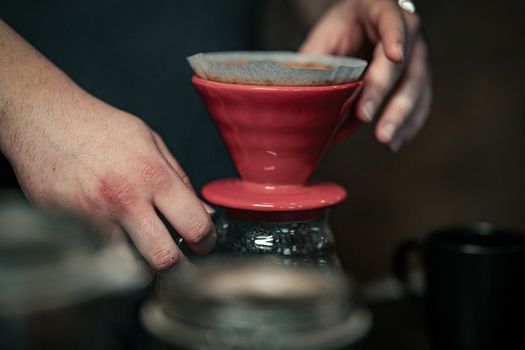
In Japan, siphon brewing and meticulous pour-over techniques have elevated fresh coffee preparation to an art form, with coffee bars resembling chemistry labs. In the United States, the third wave coffee movement has popularized micro-roasting, direct trade, and single-origin beans, all in pursuit of the freshest, most flavorful cup.
The common thread in these diverse traditions is a reverence for freshness. Whether through the communal sharing of a freshly brewed pot or the solitary enjoyment of a hand-crafted pour-over, fresh coffee serves as a catalyst for connection, creativity, and contemplation.
Fresh Coffee and Mental Well-Being
Beyond taste and tradition, fresh coffee plays a subtle but important role in promoting mental well-being. A 2022 review published in the journal Nutrients found that regular, moderate coffee consumption is associated with improved mood, increased alertness, and decreased risk of depression. The sensory pleasure of fresh coffee—its aroma, warmth, and flavor—stimulates the release of dopamine, the brain’s “feel-good” neurotransmitter.
Moreover, the ritual of preparing and enjoying fresh coffee offers moments of mindfulness in an often-hectic world. The act of grinding beans, boiling water, and savoring each sip can become a form of self-care, grounding individuals in the present and providing a daily opportunity for relaxation and reflection.
For many, coffee represents more than just caffeine; it’s a source of comfort and a cherished break from routine. This emotional connection is magnified when coffee is fresh, as the sensory richness and anticipation heighten the experience.
Fresh Coffee in the Age of Innovation
As coffee culture evolves, new technologies and techniques are making it easier than ever to enjoy fresh coffee at home and on the go. From smart grinders that adjust for optimal particle size to single-serve machines that grind and brew on demand, innovation is bringing the café experience into kitchens around the world.
Subscription services now deliver freshly roasted beans to doorsteps within days of roasting. Some companies use nitrogen-flushed packaging to lock in freshness, while others specialize in ultra-fresh micro-lots sourced from small farms. According to the National Coffee Association, nearly 60% of American coffee drinkers now purchase whole bean coffee at least occasionally, reflecting a growing appreciation for freshness.
These advances are not just about convenience—they’re about preserving the qualities that make fresh coffee so special. As more people discover the difference freshness makes, the demand for high-quality, expertly roasted beans continues to grow.
Why Fresh Coffee Continues to Captivate
The charm and appeal of fresh coffee extend far beyond its caffeine boost. It’s an experience that engages all the senses, connects people across cultures, and supports mental well-being. The science behind freshness reveals why a cup made from just-roasted, just-ground beans tastes so much better, while global traditions highlight the universal reverence for this daily delight.
As technology makes fresh coffee more accessible than ever, its enduring appeal is a testament to the power of small pleasures. Whether shared with friends, enjoyed in solitude, or savored as part of a morning routine, fresh coffee remains one of life’s simplest—and most satisfying—joys.