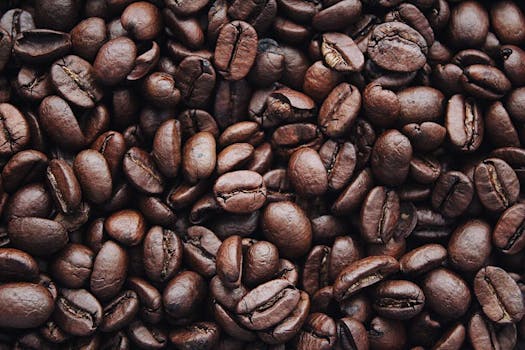
Coffee is more than just a beverage—it’s a daily ritual, a source of comfort, and for many, a journey of discovery. Yet, the foundation of every great cup starts long before the brewing process: it begins with the coffee beans themselves. With an overwhelming variety available—different origins, processing methods, roast levels, and flavor profiles—choosing the best coffee beans for your cup can feel daunting. Fortunately, a little knowledge goes a long way toward elevating your coffee experience. In this comprehensive guide, you’ll discover insightful tips and factors to consider, helping you select beans tailored to your taste, brewing style, and lifestyle.
Understanding Coffee Bean Varieties: Arabica, Robusta, and Beyond
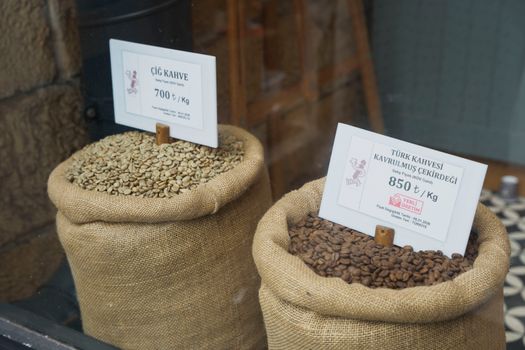
The first step in choosing the best coffee beans is understanding the key varieties. The two most prominent species of coffee beans are Arabica and Robusta, but there are lesser-known types like Liberica and Excelsa as well. Each brings distinct flavors, aromas, and caffeine levels to your cup.
Arabica beans account for about 60-70% of global coffee production. They are grown at higher altitudes, primarily in countries like Brazil, Colombia, and Ethiopia. Arabica beans are prized for their nuanced flavors, smooth acidity, and fragrant aromas. They typically have a caffeine content of about 1.2% by weight.
.png)
Robusta beans, on the other hand, are hardier and thrive at lower altitudes, making them less expensive to produce. Grown mainly in Vietnam and parts of Africa, Robusta beans have a stronger, more bitter taste, and contain about 2.2% caffeine by weight—almost double that of Arabica. They’re often used in espresso blends for added body and crema.
Liberica and Excelsa are rarer, with unique profiles. Liberica is known for its bold, smoky flavor and floral undertones, while Excelsa offers tart, fruity notes. These varieties are niche and usually found in specialty coffee shops.
| Bean Type | Flavor Profile | Caffeine Content | Main Producers |
|---|---|---|---|
| Arabica | Smooth, sweet, fruity, floral | ~1.2% | Brazil, Colombia, Ethiopia |
| Robusta | Strong, bitter, earthy, nutty | ~2.2% | Vietnam, Uganda, India |
| Liberica | Smoky, woody, floral | ~1.2% | Philippines, Malaysia |
| Excelsa | Tart, fruity, complex | ~1.0% | Chad, Southeast Asia |
Single-Origin vs. Blends: Which is Right for You?
Another major factor is the origin of your coffee beans. Single-origin coffees are sourced from one location—sometimes as specific as a single farm. They offer distinct profiles shaped by the region’s soil, climate, and altitude. For example, Ethiopian Yirgacheffe beans are renowned for their bright acidity and floral notes, while Sumatran coffees are earthy and full-bodied.
Blends, in contrast, are mixtures of beans from different locations or even species. The goal is to create a balanced, consistent flavor profile. For instance, many espresso blends combine Arabica for sweetness and Robusta for crema and caffeine. Blends can be a great option if you prefer a reliable flavor every morning, while single-origin coffees are ideal for those who enjoy exploring nuanced and sometimes surprising flavors.
If you’re new to specialty coffee, start with a popular blend for reliability. As your palate develops, try single-origin beans from different regions to uncover unique taste profiles.
The Role of Freshness: Why Roast Date Matters
Freshness is crucial when it comes to coffee. Unlike wine, coffee does not improve with age—its flavors begin to degrade just weeks after roasting. According to the Specialty Coffee Association, coffee is at its peak within 2-4 weeks after the roast date. After that window, volatile compounds responsible for aroma and taste start to dissipate.
When buying beans, always check for a roast date on the package (not just a “best before” date). Supermarket coffees may sit for months before reaching shelves, so seek out local roasters or reputable online retailers who roast to order. Whole beans retain freshness longer than ground coffee, which can lose flavor in a matter of hours after grinding.
For maximum flavor, purchase only what you’ll use within a month. Store beans in a cool, airtight container, away from light and moisture.
Roast Level: Matching Your Taste and Brewing Method
Roast level has a dramatic impact on the final taste of your coffee. There are three main roast categories—light, medium, and dark—each with its own characteristics and best uses.
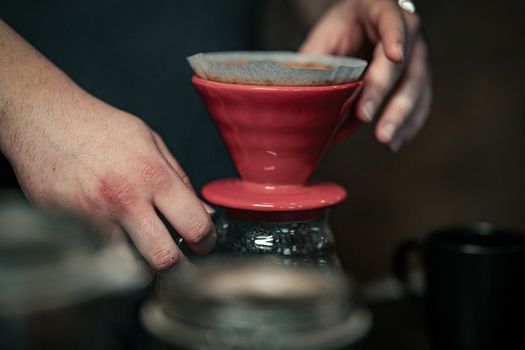
Light roasts are golden brown and preserve most of the bean’s original flavors. They often have brighter acidity and complex fruit or floral notes. Light roasts are ideal for pour-over or drip methods, highlighting the bean’s terroir.
Medium roasts strike a balance between acidity and body. They develop sweetness and caramelization, making them versatile for most brewing methods, including drip, pour-over, and AeroPress.
Dark roasts are shiny, dark brown, and sometimes oily. The roasting process imparts smoky, chocolatey, or even burnt flavors. These beans are low in acidity and are often preferred for espresso or French press, delivering a bold, robust cup.
Choosing the right roast depends on your personal taste and brewing equipment. If you enjoy vibrant, tea-like coffees, opt for light or medium roasts. For a richer, more intense cup, dark roasts are the way to go.
Processing Methods and Their Impact on Flavor
The way coffee cherries are processed after harvest significantly affects the flavor in your cup. Three main processing methods are used: washed, natural, and honey (pulped natural).
Washed coffees are depulped and fermented to remove the fruit before drying. This method produces clean, crisp flavors with pronounced acidity—common in Central American coffees.
Natural (dry) processing involves drying the whole cherry before removing the seeds. This imparts fruity, wine-like flavors, more sweetness, and a heavier body. Ethiopian and Brazilian coffees often use this method.
Honey processing is a hybrid, where some fruit mucilage is left on the bean during drying. The result is a balance of clarity and sweetness, with a creamy mouthfeel. This method is popular in Costa Rica.
If you prefer clean, bright cups, look for washed coffees. For a sweeter, fuller-bodied experience, try natural or honey-processed beans.
Certifications and Ethical Sourcing: What to Look For
Responsible sourcing is increasingly important for today’s coffee drinkers. Certifications help ensure that your beans are produced ethically, with respect for both people and the environment.
Fair Trade certification guarantees that farmers receive a minimum price, improving livelihoods for small producers. Organic certification ensures that beans are grown without synthetic pesticides or fertilizers, which is better for the environment and potentially your health.
Rainforest Alliance and UTZ certifications focus on sustainable farming practices and the welfare of workers. As of 2023, nearly 20% of the world’s coffee farms are Rainforest Alliance Certified.
Direct Trade is another term to watch for—this indicates that roasters buy directly from farmers, often paying higher-than-market prices and fostering long-term relationships. While not a formal certification, Direct Trade supports quality and sustainability.
When shopping, look for these labels on your coffee, or read about the roaster’s sourcing practices on their website. Choosing ethically sourced beans can make your daily cup more meaningful.
Practical Tips for Finding Your Perfect Beans
With so many factors at play, how do you actually choose the best coffee beans for your cup? Here are some actionable tips:
1. Start with small bags or sampler packs from specialty roasters. This lets you experiment with origins, roasts, and processing methods without committing to a large purchase. 2. Visit local coffee shops and ask for recommendations based on your brewing method and flavor preferences. Baristas are often happy to share their expertise. 3. Consider your brewing method. For espresso, look for blends with some Robusta for crema. For pour-over, single-origin Arabica beans with a light or medium roast shine. 4. Pay attention to tasting notes on the bag—words like “chocolatey,” “citrus,” or “nutty” can guide your selection. 5. Don’t be afraid to try something new. The world of coffee is vast, with over 70 countries producing beans and countless flavor combinations.Making Your Coffee Journey Enjoyable and Rewarding
Choosing the best coffee beans for your cup is both a science and an art. By considering variety, origin, roast level, processing method, and ethical sourcing, you can tailor your selection to your unique preferences. Remember, the perfect cup is ultimately the one you enjoy most—so experiment, taste, and refine your choices as you go.
Not only does thoughtful bean selection enhance your daily ritual, but it also supports sustainable farming and elevates your appreciation for the complex journey from crop to cup. Your next great coffee experience starts with the beans you choose.