Roasting coffee at home has surged in popularity over the past decade, turning passionate drinkers into hands-on artisans. This process, which transforms raw green beans into aromatic, flavorful grounds, offers a unique blend of sensory enjoyment, creativity, and customization. But is home roasting all it’s cracked up to be? Like any culinary craft, it comes with both perks and pitfalls. In this article, we’ll explore the multifaceted benefits and drawbacks of roasting your own coffee, providing real data, comparisons, and expert insights to help you decide if this rewarding—but sometimes challenging—hobby is right for you.
The Art and Science Behind Home Coffee Roasting
Home coffee roasting isn’t just about making your morning cup from scratch; it’s a sensory-driven ritual with roots in centuries of tradition. The process involves heating green coffee beans until they reach the desired roast level, typically ranging from light to dark. Each stage of roasting triggers complex chemical reactions—primarily the Maillard reaction and caramelization—that unlock distinctive aromas and flavors.
In 2021, the National Coffee Association reported that over 31% of specialty coffee drinkers in the United States expressed interest in home roasting. This growing trend is fueled by the increased availability of green beans online and the proliferation of affordable home roasting equipment.
.png) Roasting at home gives enthusiasts control over numerous variables:
- Roast level (light, medium, dark)
- Bean origin and blend
- Freshness and timing
- Experimentation with time and temperature profiles
Roasting at home gives enthusiasts control over numerous variables:
- Roast level (light, medium, dark)
- Bean origin and blend
- Freshness and timing
- Experimentation with time and temperature profiles
However, mastering this process requires patience, attention, and a willingness to experiment—and occasionally fail—in pursuit of the perfect cup.
Benefits of Roasting Your Own Coffee
The allure of home roasting extends far beyond novelty. Here are some of the most significant advantages:
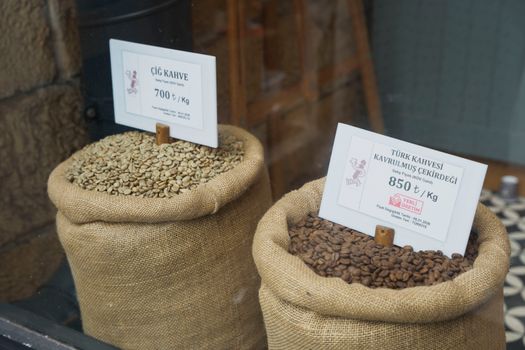
1. $1 Coffee begins to lose its peak flavor and aroma within days of roasting. By roasting small batches at home, you can enjoy coffee at its absolute freshest—often within hours of roasting. 2. $1 Home roasters can fine-tune every aspect of their brew. From choosing single-origin beans to experimenting with roast profiles, you can craft a cup tailored to your precise taste preferences. Want a lighter roast with floral notes one week and a deep, chocolaty French roast the next? It’s entirely up to you. 3. $1 Purchasing green coffee beans is generally less expensive than buying pre-roasted beans. According to Sweet Maria’s, a leading supplier, green beans typically cost $5–$8 per pound, compared to $12–$20 per pound for specialty roasted beans. Over time, this can add up to significant savings, especially for daily drinkers. 4. $1 Roasting is a journey of discovery. It deepens your appreciation for the complexity of coffee and connects you with the global journey of the beans—from farm to cup. 5. $1 Home roasters have the opportunity to support small farmers and sustainable practices more directly by selecting ethically sourced green beans from reputable importers.Drawbacks and Challenges of Home Coffee Roasting
While the benefits are compelling, home roasting isn’t without its challenges. Here are some potential drawbacks to consider:
1. $1 While basic roasting methods (like pan roasting or popcorn poppers) can be inexpensive, dedicated home roasting machines range from $100 to over $700. There are also costs for storage, ventilation, and other accessories. 2. $1 Achieving consistent, high-quality results requires practice and attention to detail. Expect some trial and error—burnt, underdeveloped, or uneven roasts are common for beginners. 3. $1 Roasting produces smoke and chaff (the thin skin of the bean that flakes off during roasting). Without proper ventilation, your kitchen (or entire home) can quickly fill with smoke and lingering smells. 4. $1 Most home roasting methods are limited to small batches—often 100–250 grams (3.5–8.8 oz) at a time. This can be inconvenient for households that consume large amounts of coffee. 5. $1 Green beans stay fresh for months, but once roasted, coffee peaks in flavor within a week or two. Home roasters need to plan roast schedules and storage to avoid stale coffee.Comparing Home Roasting vs. Buying Roasted Coffee
To help you decide whether home roasting is right for you, here’s a side-by-side comparison of key factors:
| Factor | Home Roasting | Buying Roasted Coffee |
|---|---|---|
| Cost per Pound | $5–$8 (green beans) | $12–$20 (specialty roasted) |
| Freshness Control | Roast on demand; peak freshness | Dependent on roast date; often days to weeks old |
| Customization | Full control of roast level and blend | Limited to available options |
| Required Equipment | Roaster ($100+), storage, ventilation | Coffee grinder (optional) |
| Time Investment | 15–30 minutes per batch, plus learning curve | Minimal—just buy and brew |
| Environmental Impact | Potential for less waste, but uses energy | More packaging, but professional equipment can be more efficient |
This comparison highlights that the choice depends on your priorities: freshness, customization, and cost savings versus convenience and consistency.
Choosing the Right Equipment and Beans for Home Roasting
If you’re tempted by the benefits and willing to tackle the drawbacks, the next step is selecting the right tools and beans for your journey. Here are some essentials:
1. $1 - $1 Cheapest option, but difficult to control temperature and produce even roasts. Best for experimentation. - $1 Popular entry-level method; air poppers can roast small batches with decent consistency. - $1 Designed for home use, offering better control over temperature and airflow. Prices start around $250. - $1 Use hot air to roast beans evenly. Typically more expensive but highly effective for small batches. 2. $1 Start with a versatile, forgiving bean—Ethiopian Yirgacheffe or Colombian Supremo are popular choices for beginners. Always buy from reputable sources that provide detailed origin and processing information. 3. $1 Roasting generates smoke and chaff. Use your roaster near an open window, under a kitchen hood, or even outdoors to avoid smoke buildup. 4. $1 Green beans should be stored in a cool, dry place and can last up to a year. Roasted beans should be stored in airtight containers and used within 1–2 weeks for optimal flavor.Tips for Success: Maximizing the Benefits and Minimizing the Drawbacks
To make the most of home coffee roasting, consider these tips drawn from seasoned home roasters:
- $1 Record times, temperatures, bean origin, and tasting notes for each batch. Over time, this will help you refine your process and replicate favorite roasts. - $1 Begin with 100–150 grams of beans per batch. Smaller batches are less wasteful if you make a mistake and allow for more experimentation. - $1 Pay attention to the “first crack” (a popping sound signaling light roast) and “second crack” (for darker roasts). The color, smell, and sound of the beans are your best guides. - $1 Allow roasted beans to “degas” for 12–24 hours before brewing. This enhances flavor and aroma. - $1 Roasting equipment accumulates chaff and oils, which can affect flavor and safety. Clean after each use.With practice, the learning curve flattens, and the process becomes both intuitive and deeply rewarding.
Is Home Coffee Roasting Right for You? Weighing the Pros and Cons
Roasting your own coffee is a uniquely satisfying hobby that transforms a daily ritual into an immersive craft. For those who crave freshness, customization, and a hands-on connection to their coffee, the rewards can be immense. However, it’s not the right fit for everyone—time investment, smoke, and the upfront cost of equipment can be prohibitive or simply too much hassle for some.
According to a 2023 Home Coffee Roasters Survey, 62% of respondents felt the process enhanced their appreciation of coffee, while 19% stopped roasting at home due to inconvenience. Ultimately, your decision should be based on how much you value freshness, learning, and customization versus the convenience of high-quality, professionally roasted beans.
If you’re curious, start small and experiment. The journey may just transform the way you experience coffee forever.