Coffee is more than just a beverage; it’s a global phenomenon that shapes social behavior, drives economic trends, and influences cultural norms. From the bustling espresso bars of Italy to the cozy coffee houses of Seattle, the influence of coffee culture on society is profound and multifaceted. This article explores how coffee culture has evolved, how it molds social interactions, its impact on creative and intellectual life, and its role in shaping modern urban living. We’ll also look at the numbers behind coffee’s popularity and compare coffee culture in various regions, revealing why this humble drink holds such a revered place in our daily lives.
The Rise of Coffee Culture: A Historical Perspective
Coffee culture did not emerge overnight. Its roots stretch back to the 15th century, when Sufi mystics in Yemen began brewing coffee for spiritual vigils. By the 17th century, coffeehouses—called qahveh khaneh—had become vital hubs for conversation, commerce, and creativity throughout the Middle East and Europe. These establishments offered an alternative to taverns, focusing on intellectual exchange rather than alcohol-fueled merriment.
In England, the first coffeehouse opened in Oxford in 1650, followed by London’s legendary “penny universities,” where a penny bought a cup of coffee and access to stimulating conversation. By 1739, London boasted over 550 coffeehouses. These venues attracted everyone from politicians and artists to merchants and philosophers, helping to shape the Enlightenment and the age of reason.
.png)
The spread of coffee culture continued globally. In 19th-century Vienna, the coffeehouse became synonymous with free thought and artistic endeavor. In the United States, Prohibition in the 1920s made coffee shops more popular as social venues, a trend that only grew with the rise of modern café chains in the late 20th and early 21st centuries. Today, coffee culture is a vibrant, worldwide phenomenon that transcends borders and backgrounds.
Coffeehouses as Social Hubs: Fostering Connection and Community
The coffeehouse has long been a place where people gather, fostering face-to-face interaction in an increasingly digital world. According to a 2021 survey by the National Coffee Association, 62% of Americans reported visiting a coffee shop at least once per month, with millennials and Gen Z leading the trend. But what draws people to these spaces beyond the caffeine fix?
Psychologists suggest that the ambiance of coffee shops—characterized by background chatter, warm lighting, and the aroma of roasted beans—creates a sense of comfort and belonging. Researchers at the University of Chicago found that “ambient noise” in coffee shops can even enhance creative thinking, making them favorite haunts for writers, students, and entrepreneurs.
Coffeehouses are also critical for civic engagement. The tradition of “public discourse” established in 17th-century Europe lives on in modern times, as cafés host book clubs, poetry readings, and political discussions. In some communities, coffee shops function as informal town halls, bringing people together across social divides.
The Economic Impact of Coffee Culture
The global coffee industry is immense, supporting millions of jobs and driving significant economic activity. According to the International Coffee Organization, over 2.25 billion cups of coffee are consumed worldwide each day. The coffee industry employs more than 125 million people globally, from smallholder farmers to baristas in metropolitan cafés.
In the United States alone, the coffee sector was valued at $88 billion in 2022, with specialty coffee accounting for nearly 60% of total sales. The rise of independent coffee shops and third-wave cafés has fueled both urban revitalization and small business growth. For example, the number of independent coffee shops in the U.S. increased by 2% in 2021, even amid pandemic-related challenges.
Let’s compare the coffee culture in several regions to understand its diverse economic and social implications:
| Region | Annual Coffee Consumption (kg per capita) | Number of Coffee Shops (approx.) | Unique Cultural Practice |
|---|---|---|---|
| Finland | 12.0 | 3,000 | Daily “kahvitauko” (coffee break) is a legal right for workers |
| United States | 4.2 | 38,000 | Drive-thru coffee stands and “to-go” culture |
| Italy | 5.9 | 20,000 | Espresso-based rituals at standing bars |
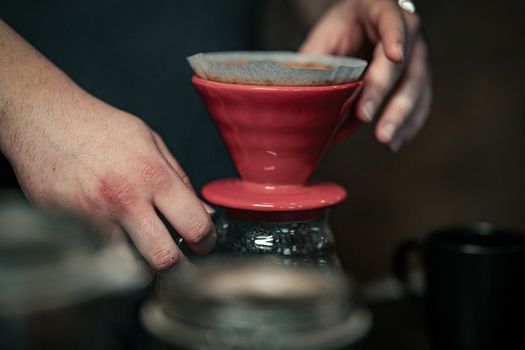
| Japan | 3.4 | 7,000 | Vending machines and meticulously crafted pour-overs |
| Brazil | 5.8 | 12,000 | Traditional “cafezinho” served in small cups throughout the day |
This table illustrates not only the scale of coffee consumption but also the unique ways in which coffee culture is embedded in daily routines around the world.
Coffee Culture and Creativity: The Intellectual Legacy
Coffee culture’s influence on creativity and intellectual life is legendary. From the salons of Paris to the Beat Generation’s cafés in San Francisco, coffeehouses have long been sanctuaries for thinkers, artists, and revolutionaries.
The connection between caffeine and creativity is not merely anecdotal. A study published in the journal “Consciousness and Cognition” (2019) found that moderate caffeine consumption can enhance problem-solving skills and convergent thinking. Furthermore, the collaborative environment of coffee shops provides fertile ground for brainstorming and idea exchange.
Coffee’s role in fueling creative output is evident in history. The works of Voltaire, who reportedly drank up to 50 cups a day, and the music of Johann Sebastian Bach, who composed the “Coffee Cantata,” are testaments to coffee’s impact on intellectual pursuits. In contemporary times, many tech startups and creative agencies use coffee bars as informal workspaces, blurring the line between leisure and productivity.
Coffee Culture and Urban Life: Shaping Modern Cities
Modern coffee culture is deeply intertwined with urban development. The proliferation of coffee shops in cities around the world has changed how people experience public spaces. Walk down a street in New York, Melbourne, or Istanbul, and you’ll find cafés anchoring neighborhoods, fostering a sense of place and identity.
Urban planners and sociologists have noted that coffee shops contribute to the “third place” concept—a gathering spot that is neither home nor work. Ray Oldenburg, who coined the term, argued that these informal public venues are essential for building community and combating social isolation.
In addition, the design of contemporary coffee shops often reflects local culture and values. Scandinavian cafés, for example, emphasize minimalism and hygge (coziness), while Latin American cafés might showcase vibrant decor and communal tables. The integration of Wi-Fi, charging stations, and open seating has transformed coffee shops into hybrid spaces for both relaxation and remote work—a trend that accelerated during the COVID-19 pandemic.
The Social Rituals of Coffee: Beyond the Brew
Coffee culture is about more than just drinking coffee—it’s about shared rituals and collective identity. In Sweden, “fika” is a cherished tradition involving coffee and cake, taken as a deliberate pause from work. In Ethiopia, the birthplace of coffee, elaborate coffee ceremonies mark important social occasions, involving roasting, grinding, and brewing beans in front of guests.
These rituals foster community, reinforce social bonds, and transmit cultural values. They also serve as anchors in a fast-paced world, encouraging mindfulness and human connection. According to the World Coffee Research organization, rituals around coffee not only enrich daily life but also help preserve cultural heritage in an era of rapid globalization.
Final Reflections on the Influence of Coffee Culture on Society
The influence of coffee culture on society is vast and enduring. From its historical role in shaping public discourse to its present-day impact on urban life, creativity, and global economies, coffee has become more than just a drink—it’s a social institution. As coffee culture continues to evolve, it remains a powerful force for connection, innovation, and cultural expression. Whether you’re sipping a quick espresso at an Italian bar or lingering over a cappuccino in a Parisian café, you’re participating in a tradition that has shaped—and continues to shape—the world.