Coffee shops have become an integral part of urban life, social interaction, and even work culture around the world. From their humble beginnings as centers of intellectual discourse in the Middle East to their modern transformation as digitally connected, design-forward spaces, coffee shops have constantly evolved to reflect the spirit of their times. The journey from traditional coffee houses to the sleek, modern cafés we know today is both fascinating and revealing of broader social and economic trends. In this article, we'll trace the evolution of coffee shops, exploring how they have adapted and reinvented themselves to stay relevant in every era.
The Birth of Coffee Houses: Social Hubs in the Ottoman Empire
The origins of coffee shops can be traced back to the Ottoman Empire in the 16th century, particularly in cities like Istanbul, Mecca, and Cairo. These early establishments, known as qahveh khaneh, were far more than places to enjoy a hot beverage. They quickly became vibrant centers for socializing, intellectual debate, music, and even games like chess and backgammon.
By the late 1500s, coffee houses had spread across the Middle East and into Europe. In England, the first coffee house opened in Oxford in 1650, followed by London in 1652. Referred to as "penny universities," these venues charged a penny for admission and provided access to stimulating conversation and the latest news. By 1700, London alone boasted over 500 coffee houses.
.png)
Crucially, these early coffee shops were engines of cultural and political change. In England, they became the birthplace of institutions like Lloyd’s of London, which started as a coffee house where ship owners and merchants would meet. In Paris, the Café Procope became a famous haunt for philosophers, writers, and revolutionaries.
The Rise of the Café Culture in Europe
While the Middle Eastern coffee house was a place for robust discussion and entertainment, the European café developed its own unique identity. The café became synonymous with leisure, artistry, and sophistication, particularly in cities like Vienna, Paris, and Rome.
Vienna’s first coffee house opened in 1683, quickly spawning a thriving café culture known for its opulent interiors and emphasis on pastries and desserts. By the 19th century, Viennese coffee houses were frequented by composers such as Beethoven and writers like Stefan Zweig.
Parisian cafés, meanwhile, became legendary gathering spots for artists, writers, and intellectuals. The 20th-century existentialist movement found its epicenter in places like Café de Flore and Les Deux Magots, frequented by Jean-Paul Sartre, Simone de Beauvoir, and Ernest Hemingway.
European cafés were characterized by:
- Table service and an emphasis on ambiance - A diverse menu, often including wine and light meals - Extended hours, encouraging long stays and conversationBy the end of the 19th century, the café was firmly embedded in the cultural fabric of Europe, influencing social life and the arts.
The American Diner and the Birth of the Modern Coffee Shop
Coffee made its way to America in the 17th century, but the concept of the coffee shop took on a distinct form. While diners and soda fountains in the early 20th century served coffee alongside burgers and milkshakes, the first true American coffee shops emerged in the 1940s and 1950s.
These establishments, often family-owned, featured:
- Counter service and booths - All-day breakfast menus - Free refills and affordable pricesThe American coffee shop became a symbol of the democratic, egalitarian ethos of post-war America. By the 1970s, chains like Dunkin’ Donuts and Denny’s popularized the model nationwide.
However, the true revolution came in the late 20th century with the rise of specialty coffee and the birth of the modern café. Starbucks, which opened its first store in Seattle in 1971, transformed the American coffee landscape by introducing espresso-based drinks, cozy seating, and a focus on the café experience rather than just the beverage.
Specialty Coffee and the Third Wave Movement
In the 1990s and 2000s, coffee culture underwent a significant transformation known as the Third Wave Coffee Movement. This era was characterized by a renewed focus on quality, sourcing, and craftsmanship. Coffee shops shifted from mass-market chains to small-batch roasters and independent cafés.
Key features of Third Wave coffee shops include:
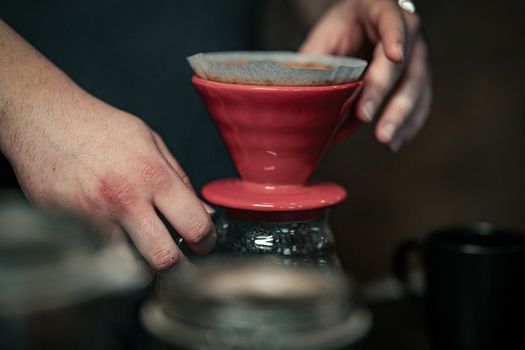
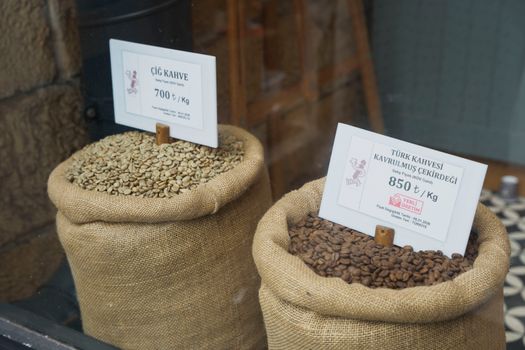
- Single-origin beans and direct trade relationships with farmers - Emphasis on brewing methods such as pour-over, siphon, and Chemex - Barista competitions and a culture of coffee educationStatistics highlight the impact of this movement:
- In 2023, the global specialty coffee market was valued at $51.4 billion, with an expected CAGR of 11.3% through 2030. - According to the National Coffee Association, 48% of American coffee drinkers consumed specialty coffee in 2022, up from 36% in 2016. - The number of independent coffee shops in the U.S. surpassed 38,000 in 2023, with most located in urban centers.This shift changed the way people think about coffee, transforming cafés into destinations for connoisseurs and enthusiasts.
The Digital Age: Coffee Shops as Co-Working and Community Spaces
The 21st century has seen coffee shops adapt to the demands of the digital age. The rise of laptops, Wi-Fi, and remote work has turned cafés into informal offices and meeting spaces. According to a 2022 survey by Square, 65% of coffee shop customers say free Wi-Fi is an important amenity, and 42% report visiting cafés to work or study.
Modern coffee shops often feature:
- Ample power outlets and comfortable seating - Community events such as open mic nights or art shows - Digital loyalty programs and mobile orderingSome cafés, like WeWork’s “WeCafe” concept or the Japanese chain Tsutaya Books & Café, blend coffee service with workspace and retail, catering to the needs of the gig economy and hybrid professionals.
Comparing Traditional and Modern Coffee Shops
The evolution from traditional to modern coffee shops can be seen in everything from menu offerings to interior design and customer expectations. The table below provides a comparison of key features:
| Feature | Traditional Coffee Shops | Modern Coffee Shops |
|---|---|---|
| Menu | Coffee, tea, basic pastries, light meals | Espresso-based drinks, specialty brews, vegan/gluten-free options, artisanal pastries |
| Atmosphere | Social, loud, game tables, minimal décor | Design-focused, minimalist or cozy, art displays, curated music |
| Technology | No Wi-Fi, analog payment | Free Wi-Fi, mobile ordering, digital payment, loyalty apps |
| Customer Experience | Extended conversation, group games, debates | Solo work/study, networking, events, fast service |
| Sourcing | Bulk coffee, little transparency | Single-origin, direct trade, ethical sourcing |
| Community Role | Political and social debate, news exchange | Co-working, creative events, workshops |
Sustainability and the Future of Coffee Shops
As coffee shops continue to evolve, sustainability has emerged as a key concern. Today’s consumers are increasingly aware of their environmental footprint and expect cafés to follow suit. According to the Specialty Coffee Association, 68% of customers consider ethical sourcing and environmental impact when choosing a coffee shop.
Modern initiatives include:
- Compostable or reusable cups and utensils - Partnerships with local farmers and suppliers - Energy-efficient appliances and waste-reduction programsFor example, Blue Bottle Coffee has pledged to be zero waste by 2024, while Starbucks aims to cut its carbon, water, and waste footprints by 50% by 2030.
Looking ahead, trends such as plant-based milk alternatives (which grew by 13% in 2023), technology-driven personalization, and community-focused programming are likely to shape the next phase of coffee shop evolution.
Final Thoughts on the Evolution of Coffee Shops
The journey of coffee shops from traditional meeting places in the Ottoman Empire to the multifaceted, tech-savvy cafés of today is a testament to their enduring appeal. Each era has added new dimensions to the coffee shop experience—whether fostering revolutionary ideas, nurturing artistic innovation, or adapting to the needs of digital nomads.
As coffee culture continues to grow and diversify, one thing remains constant: the coffee shop’s power to bring people together. Whether you’re seeking inspiration, connection, or simply a great cup of coffee, these spaces will continue to evolve and shape our communities for generations to come.