Coffee shops have become far more than just places to grab a quick caffeine fix. In today’s fast-paced, digitally connected world, they serve as vital social anchors, creative hubs, and even economic drivers within urban and suburban landscapes. The role of coffee shops in today’s society is remarkably multifaceted, touching on community building, workplace innovation, cultural trends, and local economies. Let’s explore how these beloved establishments have evolved to meet the changing needs and expectations of modern life.
Coffee Shops as Community Hubs
One of the most significant roles coffee shops play is fostering a sense of community. Unlike traditional restaurants or fast-food outlets, coffee shops are designed to encourage lingering, conversation, and connection. According to a 2023 National Coffee Association survey, 63% of Americans say their local coffee shop is a welcoming place to meet friends or connect with neighbors.
The layout and ambiance of coffee shops—featuring communal tables, comfortable seating, and soft lighting—invite visitors to stay longer and interact. Many independent coffee shops organize open mic nights, book clubs, or art exhibitions, nurturing local talent and strengthening community ties. In urban areas, these spaces often double as information centers, where flyers about local events and services are readily available.
.png)
A notable example is The Winged Bean in Charlotte, North Carolina, which hosts weekly “Community Sundays” bringing together residents for free workshops, discussions, and charity drives. Such events not only drive foot traffic but also deepen the shop’s integration with its neighborhood.
The Evolution of the Coffee Shop Workplace
The proliferation of remote work and the gig economy has transformed coffee shops into informal offices for freelancers, entrepreneurs, and remote employees. Before the COVID-19 pandemic, it was estimated that over 3.7 million people in the United States worked remotely at least half the time. By 2023, this number has surged, with nearly 28% of employed Americans working remotely part or full time, according to a Pew Research Center report.
Coffee shops cater to this workforce with free Wi-Fi, ample outlets, and quiet corners. The gentle hum of conversation and the aroma of fresh coffee provide a stimulating yet relaxed atmosphere that many find more productive than a traditional office or home setting. Some coffee shops, recognizing this trend, have even introduced “co-working” memberships, offering reserved seating, printing services, and bottomless coffee for a monthly fee.
The following table compares features commonly found in traditional offices versus modern coffee shops:
| Feature | Traditional Office | Coffee Shop |
|---|---|---|
| Wi-Fi Access | Yes (often restricted) | Yes (usually free and open) |
| Atmosphere | Structured, formal | Casual, relaxed |
| Food & Beverage | Limited, usually from a cafeteria | Freshly brewed coffee, pastries, snacks |
| Social Interaction | With colleagues | With diverse patrons, networking |
| Flexible Hours | Standard business hours | Often open early/late, some 24/7 |
| Cost | Employer paid | Pay-as-you-go (coffee/food purchases) |
This flexibility has made coffee shops indispensable for today’s mobile workforce, offering an alternative to both the isolation of home offices and the rigidity of corporate environments.
Coffee Shops and Cultural Trends
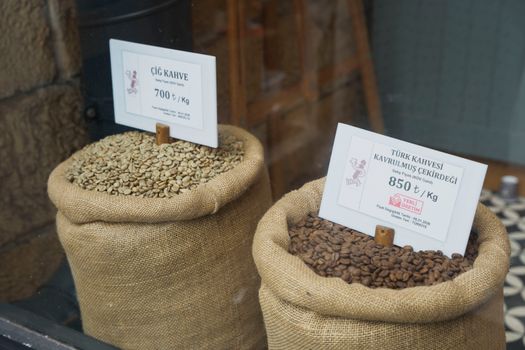
Coffee shops are not just places for drinking coffee—they are trendsetters in food, design, and lifestyle. The third wave coffee movement, which emphasizes high-quality, ethically sourced beans and artisanal brewing methods, has its roots in independent coffee shops. This trend has influenced consumer expectations and even global coffee production.
Moreover, coffee shops often serve as incubators for new culinary trends. From oat milk lattes to vegan pastries and globally inspired toasts, many food and beverage innovations gain popularity through coffee shop menus before reaching mainstream markets. For example, between 2017 and 2022, sales of alternative milk options in U.S. coffee shops grew by 45%, reflecting broader shifts in consumer preferences toward plant-based diets.
Design and aesthetics are equally important. The “Instagrammable” interior—characterized by minimalist decor, natural lighting, and unique art installations—has become a hallmark of successful coffee shops. These elements drive not only foot traffic but also viral online exposure, as customers share their experiences on social media platforms.
The Economic Impact of Coffee Shops
Coffee shops are a significant force in local and national economies. In the United States alone, the coffee shop industry was valued at $47.5 billion in 2023, with over 38,000 establishments employing nearly 870,000 people. Local independent shops contribute to job creation, stimulate nearby businesses, and often source ingredients from regional suppliers.
Beyond direct employment, coffee shops support a network of ancillary businesses, including bakeries, dairies, and cleaning services. They also play a role in urban revitalization: studies have shown that opening a new coffee shop can increase adjacent property values by up to 1.5% within a quarter-mile radius.
Coffee shops also serve as a launchpad for small business owners and entrepreneurs. Many successful chains, like Blue Bottle Coffee or Stumptown, began as single-location ventures before expanding nationally and internationally. The low barrier to entry and high customer turnover make coffee shops an attractive option for first-time business owners.
Sustainability and Social Responsibility in Modern Coffee Shops
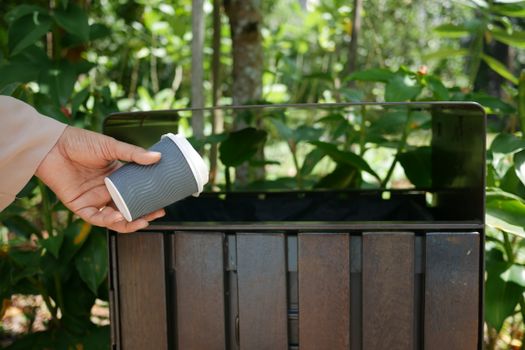
With increasing awareness of environmental and social issues, coffee shops are at the forefront of sustainability movements. In 2022, a survey by World Coffee Portal found that 69% of U.S. coffee shop customers consider sustainability important when choosing where to buy their coffee. This has led to a surge in shops adopting eco-friendly practices such as:
- Offering discounts for reusable cup use - Sourcing from certified fair trade and organic producers - Composting coffee grounds and food waste - Using biodegradable or recyclable packagingSome coffee shops go further, partnering directly with farmers to ensure ethical sourcing and investing in community upliftment projects in coffee-growing regions. For instance, San Francisco’s Verve Coffee Roasters has established “Farmlevel Initiatives” to support education and infrastructure in their supply chain communities.
Social responsibility is not limited to the environment. Many coffee shops also emphasize inclusivity, offering employment and training to marginalized groups, hosting charity events, and providing pay-it-forward programs to support those in need.
Coffee Shops in the Digital Age
The digital revolution has transformed the way coffee shops operate and interact with their customers. Mobile ordering, contactless payment, and loyalty apps are now standard, streamlining the customer experience and reducing wait times. According to Square’s 2023 Future of Restaurants report, 56% of coffee shop customers prefer using a mobile app for ordering and payment.
Social media platforms have become essential marketing tools, allowing coffee shops to engage with their communities, promote new products, and receive instant feedback. Digital menus and QR codes are now commonplace, especially after the pandemic accelerated contactless service trends.
Virtual coffee events—such as online brewing classes or digital open mic nights—have also emerged, offering new ways for shops to connect with patrons beyond the physical space.
The Enduring Importance of Coffee Shops in Modern Life
From their origins as simple gathering places, coffee shops have evolved into dynamic, multifunctional spaces deeply embedded in the fabric of society. They are community builders, economic contributors, trendsetters, and champions of sustainability. In an era characterized by rapid technological change and social fragmentation, coffee shops offer a unique blend of tradition and innovation—a place where people can connect, create, and recharge.
As society continues to change, the adaptability and resilience of coffee shops ensure they will remain relevant, cherished, and essential in our daily lives.