Exploring the World of Specialty Coffees: A Beginner’s Guide
Coffee is more than a morning ritual or a quick pick-me-up—it’s a global phenomenon brimming with culture, craftsmanship, and complexity. In recent years, “specialty coffee” has emerged as a buzzword among enthusiasts and casual drinkers alike, promising flavors and experiences far beyond the ordinary cup of joe. But what exactly is specialty coffee, and how can beginners start their journey into this vibrant world? This guide will take you from the origins of specialty coffee to the nuances of tasting, helping you unlock new layers of enjoyment in every sip.
What Makes Coffee 'Specialty'? Understanding the Basics
Not all coffee is created equal. Specialty coffee refers to high-quality beans that have been grown, processed, roasted, and brewed with exceptional attention to detail. According to the Specialty Coffee Association (SCA), beans must score at least 80 out of 100 points on a rigorous grading scale to earn the "specialty" designation. As of 2023, specialty coffee accounts for around 48% of all coffee consumed in the United States, illustrating a dramatic rise in consumer interest and quality standards.
Three main factors define specialty coffee:
1. $1 Specialty coffees are typically single-origin, meaning they come from one specific farm, region, or country. This traceability ensures quality control and unique flavor profiles. 2. $1 Techniques such as washed, natural, or honey processing influence the final taste. Each method brings out different notes and characteristics in the beans. 3. $1 Artisanal roasting and precise brewing methods are crucial for highlighting the beans’ inherent qualities. Unlike commercial coffee, where uniformity is prioritized, specialty coffee celebrates diversity and nuance.By focusing on these elements, specialty coffee offers tastes and aromas that are unattainable with standard, mass-produced blends.
.png)
A Global Tour: Notable Specialty Coffee Regions
Specialty coffee’s allure often begins with its origin story. The unique combination of climate, altitude, and soil—known as terroir—imparts distinct flavors to beans from different parts of the world. Let’s journey through some of the most celebrated coffee-producing regions:
- $1 Often regarded as coffee’s birthplace, Ethiopian beans are prized for their floral and fruity notes, such as jasmine, bergamot, and blueberry. The Yirgacheffe and Sidamo regions are especially renowned. - $1 With its ideal mountain climates, Colombia produces well-balanced coffees featuring caramel sweetness, bright acidity, and nutty undertones. - $1 Kenyan coffees are known for their bold, wine-like acidity and complex flavors, including blackcurrant and tomato. The SL28 and SL34 varietals are particularly sought after. - $1 Growing at high altitudes, Guatemalan beans often offer chocolatey, spicy notes with hints of citrus. - $1 This Central American nation is famous for its clean, crisp coffees with honey and stone fruit accents, thanks to innovative processing methods.Each region’s unique environment produces beans with flavors as varied as wine or craft beer, making every cup an exploration in itself.
The Coffee Journey: From Farm to Cup
Behind every exceptional cup of specialty coffee lies a remarkable journey, involving countless hands and intricate processes. Understanding this journey can deepen your appreciation for each brew.
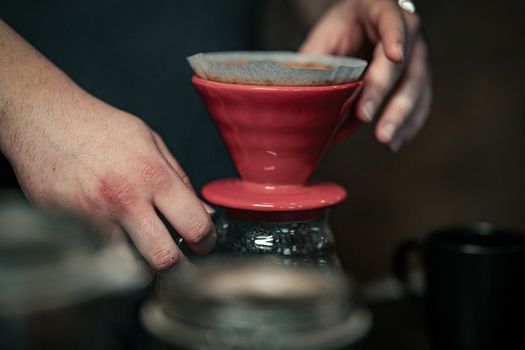
1. $1 Specialty coffee plants are often cultivated in small lots, usually at elevations between 1,200 and 2,200 meters. The high altitude and careful farming practices contribute to denser, more flavorful beans. 2. $1 Unlike commercial operations that often use mechanical harvesters, specialty coffee cherries are typically hand-picked at peak ripeness to ensure uniform quality. 3. $1 Once harvested, beans are extracted from the fruit using methods like washed (removing all fruit before drying), natural (drying the entire cherry), or honey (leaving some fruit mucilage). Each method affects the flavor profile. 4. $1 Roasters tailor their approach to each bean’s unique characteristics, often using small-batch equipment and precise profiles to highlight origin-specific flavors. 5. $1 Experienced baristas or home enthusiasts use methods like pour-over, Chemex, or Aeropress to extract the best from each coffee, adjusting variables like grind size, water temperature, and brew time.This focus on quality at every stage is reflected in the final product—and justifies why specialty coffees often command higher prices, sometimes ranging from $15 to $50 per pound for exceptional lots.
Tasting Specialty Coffee: Developing Your Palate
Tasting specialty coffee is a sensory experience, akin to wine tasting. As a beginner, you can train your palate to identify flavors, aromas, and textures by following a few simple practices:
- $1 Before sipping, inhale deeply. Specialty coffees can exhibit a wide range of aromas, from floral and fruity to nutty, spicy, or chocolatey. - $1 Take a small sip and let the coffee coat your tongue. Note the initial flavors, the body (light or heavy mouthfeel), acidity (brightness), and aftertaste. - $1 Tasting two or more coffees side-by-side can help you pick up subtle differences. This is a common technique in “cuppings,” or formal coffee tastings. - $1 The SCA’s Coffee Taster’s Flavor Wheel is a valuable tool for learning the language of coffee. Flavors like “citrus,” “red fruit,” or “brown sugar” can become easier to identify with practice.Over time, you’ll discover which origins, roast levels, and processing methods suit your preferences best. In fact, a 2022 survey found that 68% of specialty coffee drinkers regularly seek out new origins and processing styles, highlighting the community’s adventurous spirit.
Comparing Specialty Coffee to Commercial Coffee
To better understand the world of specialty coffee, it helps to see how it differs from the more common commercial options found in supermarkets and chain cafés. The table below summarizes key distinctions:
| Aspect | Specialty Coffee | Commercial Coffee |
|---|---|---|
| Bean Quality | 80+ SCA Score, defect-free, single-origin | Mixed grades, blends, often with defects |
| Traceability | Farm or region specified | Limited or no origin info |
| Processing | Hand-picked, artisanal methods | Mass-harvested, industrial processing |
| Flavor Profile | Distinct, complex, diverse | Uniform, often bitter or flat |
| Roasting | Small-batch, origin-specific profiles | Large-scale, generic roasting |
| Price (per pound) | $15–$50+ | $6–$12 |
These differences underscore why specialty coffee is prized not just for its flavor but also for its ethical sourcing and support for small-scale farmers.
How to Start Your Specialty Coffee Journey at Home
Getting started with specialty coffee doesn’t have to be intimidating—or expensive. Here are some beginner-friendly tips to help you explore:
1. $1 Many cities now have specialty coffee shops where you can sample different beans and learn from knowledgeable baristas. Ask questions about origin, processing, and brewing methods. 2. $1 Many specialty roasters offer curated sample packs, often featuring 3-5 different origins. This is a great way to taste variety without committing to a large bag. 3. $1 Purchase whole beans and grind them just before brewing. Coffee begins to lose flavor within 15 minutes of being ground. 4. $1 Start with simple devices like a French press or pour-over cone. As you gain confidence, explore methods like Chemex, Aeropress, or espresso. 5. $1 Record your impressions of each coffee—flavors, aromas, brewing details, and your overall rating. Over time, you’ll see patterns in what you enjoy most.By taking these small steps, you’ll quickly develop a deeper appreciation for the artistry behind every cup.
Final Thoughts on the Specialty Coffee Adventure
Specialty coffee is not just a beverage—it’s an invitation to explore new cultures, flavors, and sustainable practices. Whether you’re savoring a fruity Ethiopian brew or a chocolaty Guatemalan cup, each coffee tells a story shaped by nature and human skill. As you venture further into this world, you’ll find that the journey is as rewarding as the destination. With every sip, you’re not just tasting coffee; you’re experiencing the culmination of global collaboration and a dedication to quality.