How to Choose the Right Coffee for Your Taste Preferences
Coffee is more than just a daily ritual—it’s a personal journey of flavor, aroma, and experience. With over 2.25 billion cups consumed worldwide every day, coffee culture is remarkably diverse. Yet, the sheer variety of beans, roast levels, origins, and preparation methods can make choosing the right coffee for your taste preferences feel overwhelming. Whether you’re a casual sipper or a budding aficionado, understanding what shapes your coffee’s flavor can transform every cup into an adventure tailored to your palate.
The Four Pillars of Coffee Flavor: Bean Origin, Variety, Roast, and Processing
Every cup of coffee is defined by four foundational factors: the bean’s origin, its variety, how it’s processed, and its roast profile. Each element contributes distinct notes, from fruity and floral to nutty and chocolatey.
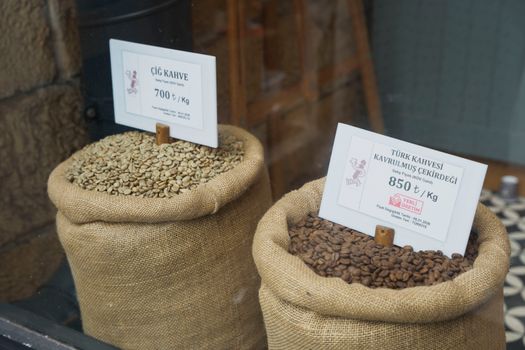
1. Bean Origin: Coffee is grown in over 70 countries, but the “Coffee Belt”—regions between the Tropic of Cancer and the Tropic of Capricorn—produces most of the world’s coffee. Geography, altitude, and climate profoundly affect flavor. For example: - Ethiopian coffees often feature bright, citrusy, and floral notes. - Colombian beans tend to have a balanced profile with hints of caramel and nuts. - Indonesian coffees, like those from Sumatra, produce earthy, spicy, and full-bodied brews. 2. Variety: Arabica and Robusta are the main commercial coffee species. Arabica, accounting for about 60% of global production, is prized for its complex flavors and lower bitterness. Robusta, with higher caffeine content, is bolder, more bitter, and favored for strong espresso blends. 3. Processing Method: After harvesting, how the beans are processed—washed, natural, or honey—determines the final flavor. Washed coffees are clean and bright, while natural-processed beans have fruity, wine-like undertones. 4. Roast Level: Light, medium, and dark roasts emphasize different qualities. Light roasts highlight origin flavors and acidity; medium roasts balance acidity and body; dark roasts yield smoky, chocolatey, and bitter notes.Understanding these basics will help you decode coffee labels and make choices that align with your preferences.
.png)
Matching Coffee Profiles to Your Personal Taste
Your taste preferences are unique, shaped by your sensitivity to sweetness, acidity, bitterness, and mouthfeel. Here’s how to match common flavor profiles with personal preferences:
- If you enjoy fruity, tart, or wine-like flavors, seek out coffees from East Africa (e.g., Kenya, Ethiopia), particularly light-roasted, washed varieties. - For those who prefer chocolatey, nutty, or caramel notes, Central and South American coffees (like those from Brazil and Colombia) roasted to a medium profile are ideal. - Earthy, spicy, or herbaceous flavors are prominent in Indonesian or Indian coffees, especially when dark-roasted. - If you like bold, full-bodied coffee with a strong punch, blends containing Robusta or dark-roast profiles will satisfy.It’s also important to pay attention to the descriptors often found on coffee labels. Tasting notes like “citrus,” “stone fruit,” “cocoa,” or “spice” can serve as helpful guides.
Brew Method Matters: How Preparation Influences Taste
The way you brew your coffee significantly shapes its final flavor. Different brewing methods extract flavors in unique ways, which can accentuate or mellow certain notes.
| Brew Method | Flavor Profile | Best for |
|---|---|---|
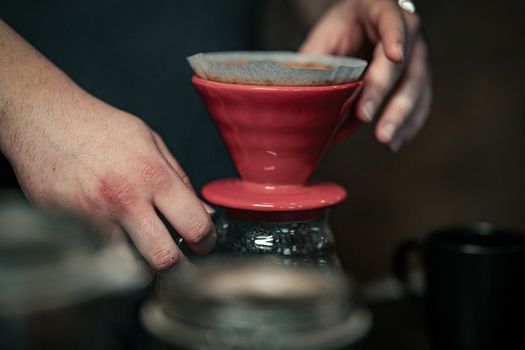
| Pour Over (e.g., Chemex, V60) | Clean, bright, nuanced | Light to medium roast, single-origin |
| French Press | Full-bodied, rich, robust | Medium to dark roast, blends |
| Espresso | Intense, concentrated, bold | Espresso blends, darker roast |
| AeroPress | Versatile, customizable | Wide range: light to dark roast |
| Cold Brew | Low acidity, smooth, sweet | Medium to dark roast, chocolatey notes |
For example, a bright, floral Ethiopian coffee will shine with a pour over, while a chocolatey Brazilian might be best in a French press. Adapt your coffee choice to your preferred brew method for the best experience.
Experimenting: Try Coffee Tasting Flights and Samplers
One of the best ways to discover your preferences is through experimentation. Many specialty coffee roasters offer sampler packs or tasting flights—small bags of different coffees from various origins and roast levels. These curated sets can help you compare flavors side by side.
For instance, you might try: - A sampler with three single-origin coffees from Africa, Latin America, and Asia, each roasted to a different level. - An espresso blend flight featuring varying ratios of Arabica and Robusta. - A processing method comparison, such as a washed versus a natural Ethiopian coffee.Keep a tasting journal to jot down what you notice about aroma, acidity, sweetness, bitterness, aftertaste, and body. Over time, you’ll develop a vocabulary for your likes and dislikes, making it easier to select coffees that consistently please your palate. According to a 2022 National Coffee Association survey, 41% of specialty coffee drinkers say they regularly try new origins and roasts, while 36% stick to their favorites, showing the value of both exploration and loyalty.
Reading Labels and Certifications: What to Look For
Coffee packaging can be packed with information, but not all terms are equally useful. Here’s a breakdown of what to pay attention to:
- Origin and Region: Single-origin coffees provide specific flavor expectations, while blends offer consistency. - Roast Date: Freshness matters—look for coffee roasted within the past two to four weeks. - Tasting Notes: These descriptors help guide your selection but are subjective. - Certifications: Labels such as Fair Trade, Organic, Rainforest Alliance, and Direct Trade reference ethical or sustainable practices, which can add value for some consumers but don’t directly impact flavor. - Altitude: Higher-grown coffees (over 1,200 meters) are often more acidic and complex.For example, a bag labeled “Ethiopia Yirgacheffe, washed, light roast, notes of jasmine and lemon, roasted 10 days ago” gives you a clear expectation of a floral, citrusy, fresh cup. On the other hand, “Sumatra Mandheling, natural, dark roast, notes of spice and earth, roasted 20 days ago” signals a heavier, spicier, more robust brew.
Balancing Budget, Convenience, and Coffee Quality
Taste isn’t the only consideration—budget and convenience factor into choosing the right coffee. While specialty beans can cost $15–$30 per pound, supermarket blends range from $6–$12 per pound. Here’s how to strike a balance:
- For everyday drinking, consider reputable supermarket brands with clear roast dates and origins. - For special occasions or weekend treats, splurge on single-origin beans from a local roaster. - Subscription services can deliver curated coffees to your door, saving time and offering variety. - Grinding your own beans just before brewing can elevate even modestly priced coffees.According to the Specialty Coffee Association, 63% of Americans drink coffee daily, and nearly half brew at home. With so many options, you can easily find quality coffee to fit your lifestyle and budget.
Final Thoughts on Choosing Coffee for Your Taste Preferences
Choosing the right coffee for your taste preferences is a journey, not a destination. By understanding the key factors—origin, variety, processing, roast, and brew method—you’ll unlock a world of possibilities tailored to your palate. Don’t be afraid to experiment, keep notes, and savor the process. Whether you crave bright and fruity or rich and chocolatey, the perfect coffee for you is out there, waiting to be discovered one cup at a time.