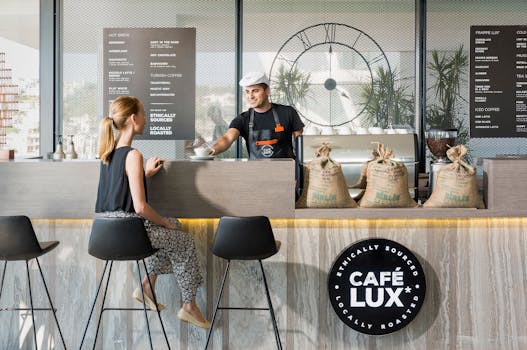
Coffee shops have evolved far beyond their humble beginnings as simple places to enjoy a hot beverage. Today, they embody a rich tapestry of culture, tradition, and community that reflects both local customs and global influences. Whether nestled in the heart of a bustling city or hidden on a quiet side street, coffee shops serve as social hubs, creative spaces, and windows into the lifestyles of their patrons. This article delves into the unique culture and tradition of coffee shops around the world, exploring how these beloved establishments shape, and are shaped by, the communities they serve.
The Origins of Coffee Shop Culture
The culture surrounding coffee shops dates back centuries, long before the modern café chains dotted city blocks worldwide. Coffeehouses first appeared in the Middle East during the 16th century, with the earliest recorded opening in Constantinople (now Istanbul) in 1555. These original coffeehouses, known as "qahveh khaneh," were more than just places to drink coffee—they were vital centers for conversation, debate, music, and even chess matches.
By the 17th century, the coffeehouse phenomenon had swept through Europe. London's first coffeehouse opened in 1652, quickly earning the nickname "penny universities" because, for the price of a cup, anyone could access a wealth of knowledge and stimulating discussion. These establishments played crucial roles in the Enlightenment and in the spread of new ideas, serving as meeting points for writers, philosophers, and revolutionaries alike.
.png)
Today’s coffee shops, whether they are the classic Viennese cafés or modern minimalist spaces in Tokyo, retain echoes of these traditions. They remain gathering places where ideas are exchanged, relationships are forged, and creativity thrives.
Social Spaces: Building Community and Connection
One of the defining features of coffee shop culture is its ability to foster a sense of community. In the United States alone, there are more than 37,000 coffee shops as of 2023, according to Statista. These establishments, from independent cafés to global chains, serve as informal meeting grounds for people of all ages and backgrounds.
The layout and atmosphere of coffee shops are deliberately designed to encourage interaction. Communal tables, cozy seating, and open layouts invite conversation among strangers and friends alike. Many local coffee shops host open mic nights, poetry readings, art displays, and neighborhood events, reinforcing their roles as cultural and social anchors.
In Scandinavian countries, the coffee break tradition known as "fika" exemplifies this communal spirit. Originating in Sweden, fika is both a daily ritual and a social institution, encouraging people to pause, connect, and recharge with coffee and pastries. According to a 2022 survey, 80% of Swedes participate in fika at least once a day, illustrating how coffee shops play a central role in building and maintaining social bonds.
Traditions and Rituals: From Espresso to Tea Ceremonies
Coffee shop traditions are as diverse as the cultures that create them. In Italy, the local "bar" serves as a quick-stop espresso haven, where patrons stand at the counter and drink their coffee in a matter of minutes. The Italian espresso experience is dictated by unwritten rules: cappuccinos are consumed before 11 a.m., while straight espresso is the drink of choice for the rest of the day.
Contrast this with the leisurely pace of Viennese coffeehouses, where patrons linger for hours over a single cup, reading newspapers or playing chess. Vienna’s coffee culture is so distinctive that UNESCO recognized it as an Intangible Cultural Heritage in 2011.
In Asia, coffee shop culture is equally vibrant but distinct. Japanese kissaten offer a tranquil atmosphere for reflection and carefully prepared brews, while South Korea’s themed cafés—cat cafés, book cafés, and even virtual reality coffee shops—blend coffee with entertainment and novelty.
The table below illustrates some key differences in coffee shop traditions across select countries:
| Country | Signature Drink | Typical Ritual | Average Visit Duration |
|---|---|---|---|
| Italy | Espresso | Standing at the bar, quick coffee | 5-10 minutes |
| Austria | Melange | Leisurely coffee, reading, socializing | 1-3 hours |
| Sweden | Filter coffee | Fika: coffee break with pastries | 30-60 minutes |
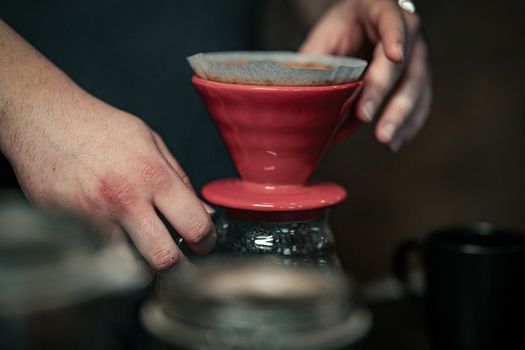
| Japan | Hand-drip coffee | Quiet reflection, solo visits | 30-90 minutes |
| USA | Drip coffee, latte | Meetings, work, socializing | 15-90 minutes |
The Evolution of Coffee Shop Aesthetics and Experiences
The design and ambiance of coffee shops have undergone a dramatic transformation in recent decades. While early coffeehouses were often dimly lit and filled with wooden furnishings, today’s cafés experiment with everything from industrial-chic to plant-filled oases. According to a 2023 survey by the National Coffee Association, 42% of U.S. coffee drinkers choose their favorite shop based on ambiance and comfort.
Coffee shops are increasingly incorporating local art, music, and sustainable materials into their design. Some, like the famous Café de Flore in Paris, embrace timeless elegance, while others, such as Blue Bottle Coffee in San Francisco, are known for minimalist, modern interiors.
Technology has also influenced the coffee shop experience. Free Wi-Fi, charging stations, and mobile ordering apps have transformed cafés into remote workspaces and study hubs. In cities like Seoul and New York, you’ll even find “silent cafés,” where conversation and phone use are discouraged, creating a peaceful refuge for reading or working.
Coffee Shop Etiquette: Unwritten Rules and Local Customs
Every coffee shop, whether in Milan or Melbourne, has its own set of unwritten rules that regulars intuitively understand. In Italy, it’s considered odd to order a cappuccino after lunch, while in the U.S., ordering a "regular coffee" might get you cream and sugar unless you specify otherwise. In Japan, tipping is not customary, but in North America, leaving a tip is expected for good service.
Seating customs also differ. In Vienna and Budapest, it’s perfectly acceptable to linger over a single cup for hours, while in many busy urban centers, occupying a table during peak hours without purchasing is frowned upon. Understanding these nuances is key to fully appreciating the culture and hospitality of coffee shops worldwide.
Globalization, Sustainability, and the Future of Coffee Shop Culture
As coffee shop culture spreads globally, it adapts and evolves in remarkable ways. The rise of specialty coffee, fair trade, and direct trade movements has heightened consumer awareness about sourcing and sustainability. In 2023, over 60% of new coffee shops in the U.S. offered at least one certified sustainable coffee option, reflecting changing consumer priorities.
Global chains like Starbucks and Costa Coffee have introduced American-style cafés to cities worldwide, but local traditions often persist alongside these international models. In Ethiopia, the birthplace of coffee, traditional coffee ceremonies remain a vital part of social and cultural life, involving the roasting, grinding, and brewing of beans in a centuries-old ritual.
Looking ahead, coffee shops are likely to remain at the forefront of cultural exchange and innovation. With the integration of new technologies, focus on sustainability, and ongoing celebration of local customs, these establishments will continue to be much more than just places to grab a cup of coffee—they’ll remain vital threads in the social and cultural fabric of communities everywhere.
Final Reflections on the Unique Culture and Tradition of Coffee Shops
The culture and tradition of coffee shops are as rich, layered, and complex as the brews they serve. From their historical roles as centers of intellectual exchange to their modern incarnations as creative and social spaces, coffee shops have always been more than just purveyors of caffeine. They reflect the values, customs, and aspirations of their communities, adapting and innovating while preserving cherished rituals.
As you next step into a coffee shop—whether it’s an ornate Viennese café or a cozy neighborhood spot—pause for a moment to appreciate the centuries-old traditions and vibrant culture that infuse each cup. In doing so, you become part of a global story that continues to unfold, one sip at a time.