Every morning, millions of people around the globe reach for a cup of coffee to kickstart their day. But have you ever paused to consider the incredible journey that your daily cup undertakes before it reaches your hands? From the misty mountain slopes where coffee cherries are handpicked, to the intricate processes of roasting and brewing, the story behind your daily cup of coffee is a fascinating tale of culture, science, and global collaboration. In this article, we’ll peel back the layers and follow the remarkable path of coffee from seed to cup, highlighting the people, places, and processes that make your morning ritual possible.
From Seed to Harvest: The Origins of Coffee
The story of your coffee begins far from your kitchen or favorite café. Coffee is cultivated in more than 70 countries, with the world’s “coffee belt” stretching around the globe near the equator. The two main species grown for consumption are Coffea arabica (Arabica) and Coffea canephora (Robusta), each with unique flavor profiles and growing requirements.
Arabica coffee, prized for its nuanced flavors and delicate acidity, accounts for roughly 60-70% of the world’s coffee production. It thrives at higher altitudes—between 2,000 and 6,000 feet—and requires cooler temperatures and more rainfall. Robusta, making up about 30-40% of production, is hardier, more resistant to pests, and grows at lower elevations. It delivers a stronger, more bitter flavor and contains up to twice as much caffeine as Arabica.
.png)
Coffee plants can take 3–4 years after planting to bear fruit. The cherries, which encase the coffee beans, ripen over several months. Harvesting is often done by hand, especially for high-quality coffees, with skilled pickers selecting only the ripest, reddest cherries. In Brazil, the world’s largest coffee producer, mechanized harvesting is common on large plantations, but in countries like Ethiopia or Colombia, hand-picking remains the norm.
The Art and Science of Coffee Processing
Once harvested, coffee cherries must be processed quickly to prevent spoilage. The method chosen affects the final flavor of your brew. There are three main processing techniques:
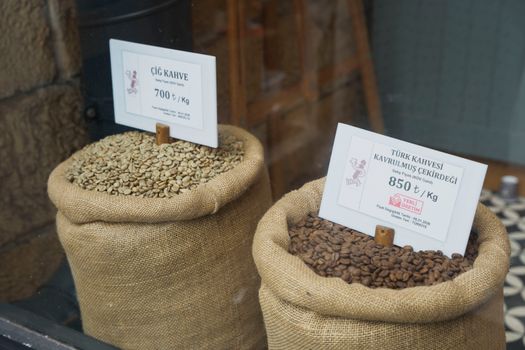
1. Washed (or wet) process: The outer fruit is removed shortly after picking, and the beans are fermented in water to break down remaining pulp. This results in a cleaner, brighter cup with pronounced acidity. 2. Natural (or dry) process: The cherries are dried whole under the sun, allowing the fruit’s sugars to infuse the beans. This yields a fuller body and sweeter, fruitier notes. 3. Honey (or pulped natural) process: A hybrid method where the skin is removed, but some pulp is left on during drying. This produces a balance between the clarity of washed and the sweetness of natural coffees.After processing, the green beans are sorted, graded, and packed for export. This stage is critical: defects or improper drying can ruin entire shipments. According to the International Coffee Organization, global coffee exports in 2022 surpassed 140 million 60-kg bags, highlighting the immense scale of this industry.
Global Trade: Coffee’s Journey Across Continents
Coffee is among the most traded commodities in the world, second only to oil. Its global journey connects smallholder farmers in remote regions with consumers everywhere. The top five coffee-producing countries are Brazil, Vietnam, Colombia, Indonesia, and Ethiopia, together responsible for over 70% of the world’s supply.
Farmers typically sell their beans to local cooperatives or buyers, who then export the green beans. The beans travel thousands of miles, often by sea, to roasters in Europe, North America, and Asia. In 2021, the global coffee market was valued at over $102 billion, with the United States alone importing 1.5 million metric tons of coffee, making it the world’s largest consumer.
The supply chain is complex, involving growers, processors, exporters, importers, roasters, and retailers. In recent years, the rise of direct trade and certifications like Fairtrade and Rainforest Alliance have aimed to ensure fair prices for farmers and promote sustainable practices. For example, Fairtrade premiums invested in coffee communities exceeded $100 million in 2021, supporting education, healthcare, and infrastructure.
Roasting: Unlocking Coffee’s Hidden Flavors
Before those green coffee beans become the aromatic grounds you know, they undergo roasting—a transformative process that unlocks the flavors and aromas hidden within. Roasting is both an art and a science, with subtle changes in temperature and timing yielding dramatically different results.
During roasting, beans are heated to temperatures up to 480°F (250°C) for 8-15 minutes. This triggers complex chemical reactions, such as the Maillard reaction, which develops the coffee’s brown color and intricate flavor profile. Lighter roasts preserve more of the beans’ original characteristics, highlighting acidity and floral notes, while darker roasts emphasize body, bitterness, and chocolatey undertones.
Roasters often experiment with blends, combining beans from different origins to create unique profiles. For example, a blend of Ethiopian and Colombian beans might balance fruity brightness with smooth caramel notes. According to the National Coffee Association, 79% of American coffee drinkers prefer medium or dark roasts, while lighter roasts are gaining popularity among specialty coffee enthusiasts.
Brewing: The Final Step to Your Cup
With roasted beans in hand, the final chapter of the coffee journey unfolds in kitchens and cafés everywhere. Brewing is where personal preference and ritual come into play. There are myriad methods, each yielding a distinct experience:
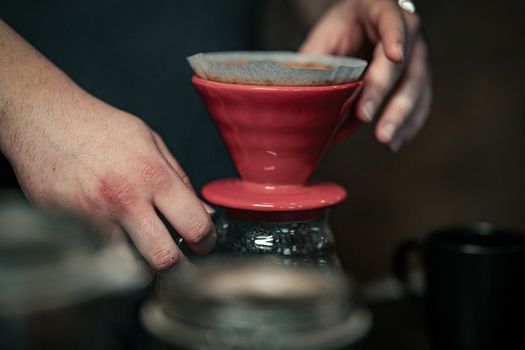
- Drip coffee makers, found in 45% of American homes, offer convenience and consistency. - French press brewing, favored for its rich texture, involves steeping coarsely ground coffee in hot water before plunging. - Espresso machines use high pressure to extract intense, concentrated shots, forming the base for lattes, cappuccinos, and more. - Pour-over methods, like Chemex or V60, allow precise control over extraction, popular among coffee purists.Water quality, grind size, coffee-to-water ratio, and brewing time all influence the final cup. Even a small change—like adjusting the grind or water temperature—can reveal new flavors. With over 2.25 billion cups of coffee consumed worldwide each day, the diversity of brewing styles reflects the adaptability and universal appeal of this beloved beverage.
Comparing Coffee Varieties: Arabica vs. Robusta
Understanding the differences between Arabica and Robusta beans can help you appreciate the diversity in your daily cup. Here’s a comparison:
| Feature | Arabica | Robusta |
|---|---|---|
| Share of Global Production | 60-70% | 30-40% |
| Growing Altitude | 2,000-6,000 feet | Sea level-2,000 feet |
| Caffeine Content | 1.2% average | 2.2% average |
| Flavor Profile | Sweet, fruity, acidic | Bitter, earthy, nutty |
| Disease Resistance | Lower | Higher |
| Average Price per lb (2023) | $4.20 | $2.20 |
This table illustrates why Arabica is preferred for specialty coffees, while Robusta is often used in blends and instant coffee due to its strength and affordability.
Coffee’s Cultural and Economic Impact
Beyond its sensory pleasures, coffee has profoundly shaped societies and economies. Coffeehouses have been centers of social interaction, intellectual exchange, and even political movements since their emergence in the Middle East in the 16th century. Today, global coffee culture is richer than ever, from the bustling espresso bars of Italy to the slow coffee ceremonies of Ethiopia.
Economically, coffee provides livelihoods for more than 125 million people globally. In countries like Honduras and Uganda, coffee exports account for over 30% of national export earnings. However, the industry faces significant challenges, including climate change, fluctuating prices, and labor shortages. Rising temperatures threaten yields in key producing regions, with experts predicting that up to 50% of land suitable for coffee could be lost by 2050 if current trends continue.
Sustainability efforts are increasingly vital. Shade-grown coffee, organic farming, and fair trade practices aim to protect the environment and ensure a better quality of life for farmers. Consumers are becoming more aware, seeking out coffees with ethical certifications and transparent sourcing.
The Enduring Magic of Your Daily Coffee Ritual
The story behind your daily cup of coffee is a tapestry woven from centuries of history, human ingenuity, and global interconnectedness. Each sip is the culmination of countless hands, scientific advances, and cultural traditions. Whether you savor a simple drip brew or an elaborate espresso drink, your coffee connects you to a vast network stretching from tropical farms to urban cafés.
As you enjoy your next cup, take a moment to appreciate the remarkable journey it has made—a journey shaped by geography, chemistry, art, and the aspirations of millions. In every mug, you’re not just tasting coffee; you’re experiencing a living legacy that continues to evolve with each generation.