The Art and Science of Roasting Coffee: Unveiling the Secrets Behind Every Bean
Few experiences in the world of coffee are as transformative—and as underappreciated—as the roasting process. The journey from a pale, grassy-smelling coffee seed to the aromatic, complex bean we brew every morning is a harmonious blend of art, chemistry, and deep sensory intuition. Whether you’re savoring a bright Ethiopian pour-over or a bold Italian espresso, every cup tells a roasting story written by skilled hands and scientific precision.
In this article, we’ll dive into the fascinating world of coffee roasting. We’ll explore the physical and chemical changes that occur in the bean, the techniques and technologies that shape flavor, and the delicate balance between tradition and innovation. You’ll discover why roasting is often called both an art and a science—and come away with a newfound appreciation for every sip.
The Transformation: What Happens During Coffee Roasting?
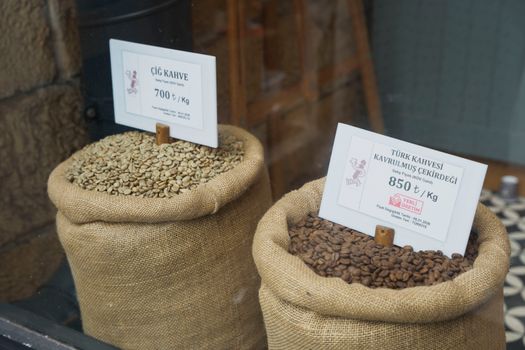
Coffee beans begin their journey as green seeds, dense and grassy, with only latent flavor potential. The roasting process is what unlocks the more than 800 volatile aromatic compounds responsible for coffee’s immense variety of flavors and aromas. But what really happens inside the roaster?
.png)
As beans are heated—typically between 370°F (188°C) and 540°F (282°C)—they undergo a series of remarkable changes:
1. $1: Beans lose moisture, making up about 10-12% of their original weight. This phase sets up the chemical reactions to come. 2. $1: Around 300°F (150°C), sugars and amino acids react, producing the brown hues and complex flavors familiar in roasted coffee. This reaction is responsible for the caramel, nutty, and chocolate notes. 3. $1: At about 385°F (196°C), beans audibly crack as internal pressure from steam and CO₂ causes them to expand. This marks the transition from light to medium roasts. 4. $1: Sugars break down further, and a second, lighter crack occurs at higher temperatures. This is the threshold for darker roasts. 5. $1: The period after first crack is critical for flavor development. Roasters carefully control this window—often just a few minutes—to balance acidity, sweetness, and bitterness.Amazingly, a typical roast lasts only 10 to 15 minutes, but every second counts. Over-roasting can result in burnt flavors, while under-roasting leaves beans sour and grassy.
Artistry in Roasting: The Skill Behind the Craft
While technology has introduced precision controls and data tracking to roasting, much of the process still relies on the roaster’s senses—sight, smell, sound, and even intuition. Master roasters often compare their work to that of a chef or a winemaker: both science and artistry are required.
Roasters manipulate variables such as:
- $1: The initial temperature of the drum when beans are added. - $1: How quickly the bean temperature increases over time. - $1: Controls how heat is transferred and how beans move within the drum. - $1: The percentage of total roast time after first crack, crucial for flavor balance.Many small-batch roasters keep detailed roast logs, recording every variable to replicate successful profiles or experiment with new ones. For instance, adjusting airflow by just 10% can dramatically shift a coffee’s flavor, bringing out floral notes or accentuating roastiness.
Roasters also rely on their senses. The color of the beans, the aroma at different stages, and the timing of the first and second cracks all provide real-time feedback. In blind taste tests, experienced roasters can often identify the origin or variety of a bean just by its aroma during roasting—a testament to the depth of their skill.
The Science: Chemical Reactions and Flavor Formation
Roasting coffee is a study in applied chemistry. The transformation from green to brown bean is driven by a cascade of chemical reactions, each contributing to the final cup’s flavor.
- $1: This reaction between amino acids and reducing sugars is responsible for browning and much of coffee’s flavor complexity. It produces hundreds of new aromatic compounds. - $1: As temperatures climb, sugars break down, adding sweetness and depth. - $1: At higher temperatures, complex molecules break apart, creating bitter, smoky, or spicy notes characteristic of darker roasts. - $1: Organic acids like citric and malic acid degrade with heat, reducing acidity in darker roasts and intensifying it in lighter roasts. - $1: Roasting forms over 800 volatile compounds, more than are found in wine. These include aldehydes, esters, and phenols, each contributing unique aromas.For example, research published in the Journal of Agricultural and Food Chemistry found that the concentration of 2-furfurylthiol—a compound associated with coffee’s roasty aroma—peaks at medium-dark roast levels, then declines as beans are roasted darker. This is why medium roasts are often described as the most aromatic.
Roast Profiles: Light, Medium, and Dark Compared
The roast level dramatically influences the bean’s flavor, acidity, and body. Here is a side-by-side comparison of the main roast categories:
| Roast Level | Temperature Range | Flavor Profile | Acidity | Body | Examples |
|---|---|---|---|---|---|
| Light Roast | 370-400°F (188-204°C) | Bright, fruity, floral, origin-driven | High | Light | Scandinavian, "City" roast |
| Medium Roast | 410-428°F (210-220°C) | Balanced, sweet, chocolatey, nutty | Moderate | Medium | American, "Full City" roast |
| Dark Roast | 435-540°F (224-282°C) | Roasty, smoky, bittersweet, low origin character | Low | Full | French, Italian, Espresso |
Light roasts preserve the bean’s original character—its terroir and varietal nuances—while dark roasts emphasize the flavors created during roasting. Globally, preferences vary: over 60% of Americans favor medium roasts, according to a 2022 National Coffee Association survey, while many specialty cafes are championing lighter roasts.
Technology Meets Tradition: Modern Roasting Innovations
Roasting technology has seen rapid change in the last decade, blending tradition with digital innovation. Today’s commercial roasters use advanced equipment to achieve consistency and unlock new flavor profiles.
- $1: Modern machines feature precise controls for temperature, airflow, and drum speed. Brands like Loring and Probat offer software-driven systems that can reproduce roast profiles to within 1°C. - $1: Roasters use real-time data to track bean and environmental temperatures, rate of rise, and exhaust gas composition. This allows for fine-tuning and consistency across batches. - $1: Small 50-100g sample roasters allow professionals to test new origins and blends before scaling up. - $1: Advanced systems capture and recycle heat, reducing energy consumption by up to 80% compared to traditional drum roasters. - $1: Despite automation, many specialty roasters still prefer hands-on approaches, valuing the subtle adjustments that only human senses can provide.A 2021 survey by Roast Magazine found that 73% of specialty roasters use data-logging software, yet 68% say they rely equally on sensory cues to make final decisions. The blend of technology and tradition is what keeps roasting both precise and endlessly creative.
Roasting’s Impact on Health and Sustainability
Beyond flavor, roasting also impacts the health properties and environmental footprint of coffee.
- $1: Coffee is a major source of antioxidants in the Western diet. Lighter roasts tend to retain more chlorogenic acids, which have been linked to health benefits. However, medium roasts often offer the best balance of flavor and antioxidant activity. - $1: This compound forms during roasting and is higher in light roasts. While present in many foods, its levels in coffee are well below regulatory concerns, according to the FDA. - $1: Roasting is energy-intensive. Innovations such as electric and hybrid roasters, heat recirculation, and carbon capture help reduce emissions. Some leading roasters, like Counter Culture Coffee, publish annual sustainability reports and track their carbon footprint per pound roasted.According to a 2023 report by the Specialty Coffee Association, improvements in roastery efficiency have reduced average energy use per pound of coffee by 25% compared to a decade ago. Consumers are increasingly seeking out roasters who are transparent about their practices, both for quality and environmental reasons.
The Ever-Evolving Craft of Coffee Roasting
Roasting coffee is a captivating intersection of art and science. It demands a deep understanding of chemistry, a keen sensory palette, and the creativity to coax out a bean’s best expression. From the careful monitoring of temperature curves to the nuanced aromas that fill a roastery, every roast tells a unique story.
As specialty coffee culture grows, so does the appreciation for the people and processes behind every cup. Whether you enjoy your coffee light and fruity or dark and bold, the roast is the brushstroke that paints your favorite flavors.
The next time you savor a cup, pause to consider the journey of those beans—and the expert hands that transformed them from humble seeds into a symphony of flavors.