Coffee is more than just a morning ritual or an afternoon pick-me-up; it is a beverage deeply rooted in culture, science, and craftsmanship. Yet, few coffee drinkers pause to consider the transformative journey their beans undergo before becoming a flavorful brew. At the heart of this journey lies the fascinating and complex process of coffee roasting. This article delves into the science behind coffee roasting, exploring the chemical reactions, variables, and expert techniques that convert green coffee beans into the aromatic, flavorful beans we all recognize. Whether you are a home barista, a coffee enthusiast, or simply curious about what makes your cup taste so good, understanding the science of coffee roasting can deepen your appreciation for every sip.
The Chemistry of Coffee Roasting: A Flavor Revolution
Coffee roasting is, at its core, a series of controlled chemical reactions. Green coffee beans are dense, grassy-smelling seeds with little resemblance to the beans we grind for brewing. When exposed to heat, a cascade of chemical transformations unlocks the flavors, aromas, and colors that define roasted coffee.
The most crucial reactions include:
- $1: This is a complex interaction between amino acids and reducing sugars that begins around 300°F (150°C). It produces hundreds of aromatic compounds, creating the characteristic toasty, caramel, and nutty notes in coffee. - $1: At higher temperatures (around 340°F/170°C and above), sugars in the beans break down, forming sweet and bitter compounds that add depth to the flavor profile. - $1: This reaction during the Maillard process generates aldehydes and other volatiles, contributing to coffee's aroma. - $1: As roasting progresses past 400°F (204°C), complex molecules break down, releasing gases like CO2 and creating further flavor complexity.During roasting, over 800 volatile compounds are formed, making coffee one of the most chemically complex beverages in the world. The exact balance of these reactions depends on temperature, time, and bean composition, all of which are carefully managed by skilled roasters.
.png)
Phases of Coffee Roasting: From Green to Brown
Roasting is not a uniform process. Instead, it unfolds in distinct phases, each critical in shaping the final cup. Understanding these phases helps explain how subtle changes during roasting can yield dramatically different results.
1. $1: Starting with beans at room temperature, this phase removes moisture (typically 10-12% in green beans). The beans absorb heat and begin to yellow. No significant flavor development occurs yet, but this phase is crucial for preparing the beans for later reactions. 2. $1: Once the beans reach about 300°F (150°C), the Maillard reaction kicks in. The beans brown, and complex flavor precursors develop. This phase is key for building body and sweetness. 3. $1: Around 385°F (196°C), beans audibly pop as water and carbon dioxide rapidly expand and escape. This marks a pivotal transition from endothermic to exothermic reactions. Most light to medium roasts finish soon after the first crack. 4. $1: After the first crack, the roaster controls how long to continue roasting. This is when the final flavor profile takes shape. Extending this phase can accentuate chocolatey, nutty, or caramelized notes. 5. $1: At approximately 435°F (224°C), a second, softer series of pops occurs. This is typical of dark roasts, where oils migrate to the bean surface and smoky, bittersweet flavors dominate.Roasters use time-temperature profiles to target specific outcomes, with even small adjustments leading to noticeable changes in the cup.
How Roasting Profiles Impact Flavor and Aroma
No two coffees are roasted the same. The concept of a "roast profile" refers to the unique time and temperature path followed during the roasting process. These profiles are meticulously crafted and monitored, often with computer software and thermocouples, to achieve desired flavor notes for different beans.
For example:
- $1 (end shortly after first crack, ~400°F/204°C): Bright acidity, floral and fruity notes, origin characteristics are most prominent. - $1 (end after a few minutes of development, ~410-430°F/210-221°C): Balanced acidity and sweetness, caramel, nutty, or chocolate notes emerge. - $1 (end near or after second crack, ~440-465°F/227-241°C): Bittersweet, smoky, and roasted flavors, origin flavors are subdued.The following table summarizes the common roast levels and their sensory attributes:
| Roast Level | Temperature (°F) | Common Flavors | Origin Notes | Color |
|---|---|---|---|---|
| Light | 400-410 | Citrus, floral, berry | Very prominent | Light brown |
| Medium | 410-430 | Caramel, chocolate, nutty | Balanced | Medium brown |
| Dark | 440-465 | Bittersweet, smoky, spicy | Minimal | Dark brown, oily |
Roasters often "cup" (taste) their coffee at different points along a profile to decide when to stop the roast, seeking the perfect balance of acidity, sweetness, and body for each batch.
The Role of Bean Variety and Origin in Roasting
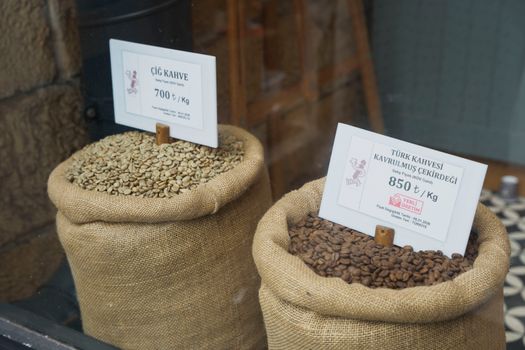
Not all coffee beans are created equal, and their journey through the roaster is influenced by their species, origin, and processing method. The two main species, Arabica and Robusta, differ in density, sugar content, and chemical composition, which affects how they react to heat.
- $1 generally contain more sugars and oils, enabling a broader range of flavors through careful roasting. They are more delicate and often roasted lighter to showcase their nuanced acidity and complexity. - $1 have higher caffeine and chlorogenic acid, resulting in a stronger, more bitter flavor. They are often roasted darker to mellow their intensity.Beyond species, beans from different regions—such as Ethiopia, Colombia, or Sumatra—carry unique flavor precursors shaped by soil, climate, and altitude. For instance, Ethiopian coffees are known for their floral and fruity notes, best expressed through lighter roasts. In contrast, Sumatran coffees often feature earthy, spicy undertones, which can shine in medium to dark roasts.
Processing methods (washed, natural, honey, etc.) also impact how beans roast. Washed coffees are generally cleaner and brighter, while naturally processed beans can develop richer, fruitier flavors during roasting.
Modern Roasting Technology: Precision and Innovation
The science of coffee roasting has evolved dramatically over the past two decades. While traditional drum roasters remain popular, modern technology has introduced precision and consistency that were once unimaginable.
- $1: Advanced roasters use software interfaces to track time, temperature, rate of rise (RoR), and airflow. This data-driven approach allows for highly repeatable results. - $1: Real-time monitoring of bean temperature, exhaust, and humidity helps roasters fine-tune their profiles. - $1: Small-batch machines allow roasters to experiment with new beans and profiles without committing to large quantities. - $1: Some roasteries are now exploring artificial intelligence to predict optimal roast curves and adjust parameters automatically, reducing human error.Despite these advances, roasting remains both an art and a science. Skilled roasters use sensory cues—color, aroma, crackling sounds—to guide their decisions, blending intuition with technology for the best results.
Why Understanding Coffee Roasting Science Can Elevate Your Cup
For coffee lovers, understanding the science behind roasting enriches the experience of every brew. With knowledge of how chemical reactions, roast profiles, and bean characteristics interact, consumers can make more informed choices about which coffees to buy and how to brew them.
For example, if you enjoy vibrant, fruity coffee, you might seek out light-roasted, Ethiopian, washed-process beans. If you crave a bold, chocolatey espresso, a medium or dark roast from Brazil or Sumatra might suit your palate. Even home roasters can use this science to refine their technique, experimenting with time and temperature to unlock new flavors.
Ultimately, the science of coffee roasting is about transformation. It takes a humble green bean and, through heat and expertise, reveals its hidden potential. By appreciating this process, every cup of coffee becomes an opportunity to explore a world of flavor shaped by both nature and human ingenuity.