The Journey of Coffee from Bean to Cup: An Inside Look at Every Step
Few beverages have shaped cultures and mornings around the world quite like coffee. But while it’s easy to savor the rich aroma and complex flavors of your favorite brew, the intricate journey coffee takes from its humble origins as a green bean to the inviting cup in your hand is nothing short of remarkable. Each step in this journey—spanning continents, countless hands, and centuries of tradition—impacts the final taste, quality, and sustainability of the drink millions rely on daily.
This article takes you on an in-depth exploration of the coffee journey, highlighting the science, artistry, and human stories etched into every cup. Whether you’re a casual drinker or a devoted aficionado, understanding what happens before your first sip will deepen your appreciation for coffee’s global significance.
Origins: Coffee’s Birthplace and Botanical Roots
Coffee’s journey begins in the lush highlands of tropical regions, primarily within the “Coffee Belt,” which straddles the equator between the Tropic of Cancer and the Tropic of Capricorn. Over 70 countries produce coffee, but the top five—Brazil, Vietnam, Colombia, Indonesia, and Ethiopia—account for more than 70% of global production.
.png)
The two primary coffee species cultivated for consumption are Coffea arabica (Arabica) and Coffea canephora (Robusta). Arabica accounts for roughly 60-70% of world production and is celebrated for its nuanced flavors and pleasant acidity. Robusta, on the other hand, is prized for its higher caffeine content and stronger, more bitter profile.
Coffee trees take about 3-4 years to mature and produce their first crop. Each tree yields approximately 1 to 1.5 pounds of roasted coffee per year—a testament to the labor-intensive nature of coffee farming.
Harvesting: Timing, Technique, and Labor
Coffee cherries (the fruit encasing the seed) ripen at different times, even on the same branch. Harvesting methods vary by region, farm size, and desired quality.
There are two main harvesting techniques: - Selective Picking: Ripe cherries are handpicked, often requiring multiple passes over the same tree during the harvest season. This method, prevalent with specialty coffee, ensures only the best cherries are collected but is labor-intensive and costly. - Strip Picking: All cherries are stripped off the branch at once, either by hand or machine. While faster, this method collects both ripe and unripe cherries, potentially impacting flavor.Consider Ethiopia’s Yirgacheffe region, where hand-picking with meticulous attention is customary. Here, families may spend up to 200 hours per acre during the harvest, reflecting the deep connection between community and craft.
Processing: Transforming Cherries into Green Beans
Once harvested, coffee cherries must be processed swiftly to prevent spoilage and mold. Processing methods dramatically influence the coffee’s flavor profile. The three most common methods are:
1. Washed (Wet) Process: Cherries are pulped to remove the outer skin and then fermented to dissolve the mucilage before being washed and dried. This process is favored in Latin America and yields clean, vibrant flavors. 2. Natural (Dry) Process: Whole cherries are spread out in the sun to dry, allowing the fruit’s sugars to infuse the beans. Common in Ethiopia and Brazil, natural processing creates fruity, full-bodied coffees. 3. Honey (Pulped Natural) Process: A hybrid approach where some fruit mucilage remains on the beans during drying, producing a sweet, balanced cup.Processing can take from a few days (washed) to several weeks (natural), depending on weather and infrastructure. After drying, beans are milled to remove parchment or hulls, sorted by size and density, and graded for export.
Roasting: Science, Art, and Transformation
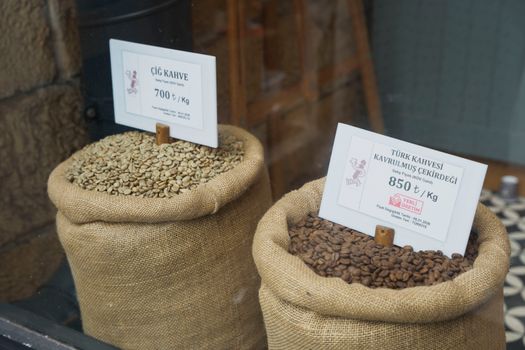
Green coffee beans are shelf-stable but nearly flavorless. The magic happens in the roaster, where heat triggers the Maillard reaction and caramelization, unlocking over 800 aromatic compounds.
Roasting profiles range from light to dark, each affecting acidity, sweetness, and bitterness. For example: - Light Roasts: Highlight origin character and acidity. - Medium Roasts: Balance sweetness, acidity, and body. - Dark Roasts: Emphasize bold, smoky, or chocolatey notes but can mask subtle flavors.Commercial roasters use sophisticated equipment to control temperature, airflow, and time, often roasting in batches of 30-120 kg. Home enthusiasts typically roast much smaller amounts, experimenting with profiles to suit their palate.
Grinding and Brewing: Unlocking Flavor in the Cup
Once roasted, coffee is ideally consumed within two to four weeks for peak freshness. Grinding is a critical step—grind size and consistency directly impact extraction and flavor.
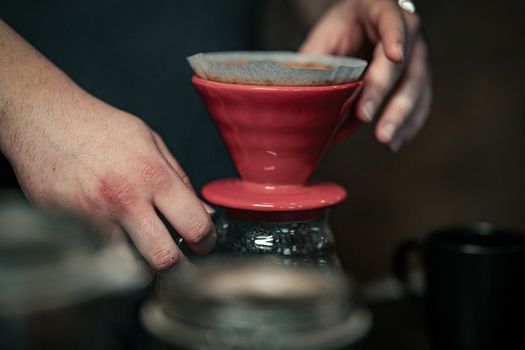
Different brewing methods require specific grind sizes: - Espresso: Fine grind, high pressure, short extraction (25-30 seconds) - French Press: Coarse grind, steeping method (4 minutes) - Drip/Pour Over: Medium grind, gravity filtration (3-5 minutes)Water temperature, ratio, and quality also play a role. The Specialty Coffee Association recommends a water temperature of 195-205°F (90-96°C) and a brew ratio of 1:15-1:18 (coffee to water by weight).
Quality, Sustainability, and Traceability: The Modern Coffee Chain
Today’s coffee drinkers care not just about taste but also about ethics and sustainability. The journey from bean to cup is now shaped by concerns for fair wages, environmental impact, and transparency.
Certifications such as Fair Trade, Rainforest Alliance, and Organic help guide consumers toward responsibly produced coffee. In 2023, over 25% of coffee sold globally carried some form of sustainability certification.
Traceability has become a hallmark of specialty coffee. Many roasters now list the farm, region, processing method, and even harvest date on their packaging. This not only supports higher prices for producers but also connects drinkers with the people and places behind their morning ritual.
Comparing Coffee Processing Methods: Flavor and Cost Impacts
| Processing Method | Regions Used | Typical Flavors | Relative Cost |
|---|---|---|---|
| Washed (Wet) | Latin America, East Africa | Clean, bright, high acidity | High (water, labor intensive) |
| Natural (Dry) | Ethiopia, Brazil | Fruity, full-bodied, wine-like | Lower (less water, more space) |
| Honey (Pulped Natural) | Central America | Sweet, balanced, creamy | Medium (moderate labor, less water) |
Final Thoughts on the Coffee Bean’s Epic Journey
The journey of coffee from bean to cup is a remarkable interplay of geography, science, culture, and human touch. Every stage—planting, harvesting, processing, roasting, grinding, and brewing—leaves its imprint on the final cup. This complexity is why no two coffees are exactly alike and why even the simplest brew carries the legacy of countless people and places.
The next time you enjoy your coffee, take a moment to imagine its voyage: from distant equatorial farms to your kitchen, shaped by farmers’ skill, roasters’ expertise, and your own brewing choices. In every cup lies a world of stories waiting to be discovered.