The Delicate Process of Making Artisanal Coffee: From Bean to Cup
Few beverages inspire as much passion and ritual as artisanal coffee. While many enjoy coffee as a daily pick-me-up, a growing community of enthusiasts and professionals treat coffee preparation as an art form. Making artisanal coffee is not just about brewing a hot drink—it's a meticulous journey that respects the bean’s origin, chemistry, and flavor. Each step, from selecting beans to the final pour, is executed with precision and care, resulting in a cup that tells a story of craftsmanship and intentionality.
This article explores the layered process behind artisanal coffee, highlighting how each stage—from careful sourcing to the nuanced brewing—shapes the end result. We’ll uncover the secrets behind this delicate process, share eye-opening data, and offer a behind-the-scenes look at what makes a truly exceptional cup.
The Art of Selecting and Sourcing Exceptional Coffee Beans
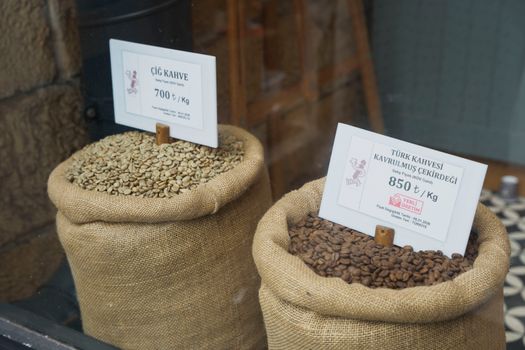
The journey of artisanal coffee begins long before water touches the grounds. The selection and sourcing of beans are foundational to flavor, aroma, and authenticity. Artisanal roasters typically work directly with farmers or importers focused on quality and sustainability. This direct relationship allows for transparency, fair pricing, and the selection of unique micro-lots.
.png)
Specialty-grade coffee beans, which make up only about 5% of global coffee production, are evaluated using the Specialty Coffee Association (SCA) scoring system. Only beans scoring 80 points or above out of 100 are considered specialty grade. These beans are prized for their distinctive flavors, absence of defects, and traceability.
Key sourcing practices include:
- Single-origin selection: Beans are sourced from a specific region or even a single farm, highlighting unique terroir. - Seasonal buying: Artisanal roasters align purchases with coffee harvests to guarantee peak freshness and flavor. - Ethical sourcing: Fair Trade, Direct Trade, and Rainforest Alliance certifications ensure farmers are paid fairly and environmental practices are followed.As an example, Ethiopia’s Yirgacheffe region is renowned for beans with floral and citrus notes, while Colombia’s Huila district produces beans with caramel and red fruit characteristics. The care in sourcing these beans sets the stage for the entire artisanal process.
The Science and Skill of Roasting: Unlocking Flavors
Roasting transforms green coffee beans into the aromatic, flavorful beans we recognize. This process is equal parts science and artistry. Artisanal roasters use small-batch methods, carefully controlling temperature and timing to coax out each bean’s best attributes.
Key roasting factors include:
- Roast profile: Temperature curves are mapped and adjusted to emphasize certain flavors—lighter roasts highlight acidity and florals, while darker roasts bring out chocolate and caramel notes. - Batch size: Small batches (often 1-15 kg) allow for greater precision and quality control. - Cooling and resting: After roasting, beans are rapidly cooled and then rested for 24-72 hours to allow volatile compounds to stabilize, optimizing flavor.According to the National Coffee Association, the ideal roasting temperature ranges between 370°F and 540°F (188°C to 282°C). Even a 10-second difference during roasting can significantly alter the coffee's taste profile. Experienced roasters rely on both digital tools and sensory skills—sight, sound (listening for the “first crack”), and smell—to achieve the perfect roast.
The Importance of Grinding: Freshness and Particle Size
Once roasted, coffee beans must be ground to unlock their flavors. The timing and method of grinding are crucial. Coffee begins to lose its aromatic compounds within minutes of being ground, making freshness paramount. That’s why artisanal coffee is almost always ground immediately before brewing.
Grind size is tailored to the brewing method:
- Coarse grind: Ideal for French press and cold brew, with larger particles allowing longer extraction times. - Medium grind: Best for drip brewing, balancing extraction and clarity. - Fine grind: Necessary for espresso, where high pressure and short brewing times demand maximum surface area.A 2019 study from the University of Portsmouth found that optimizing grind size can improve extraction efficiency by up to 30%, significantly affecting flavor and strength. Artisans often use burr grinders, which produce consistent particle sizes and minimize heat buildup, preserving delicate aromas.
Precision Brewing: Techniques and Tools
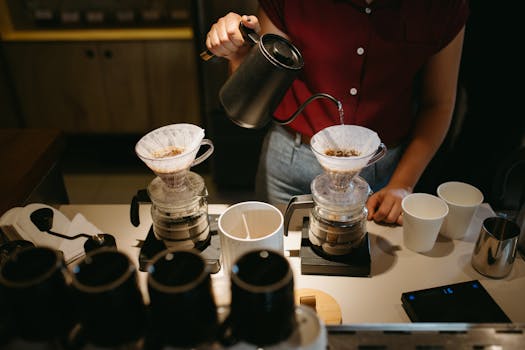
Brewing is where all previous efforts culminate. Artisanal coffee preparation emphasizes precision and repeatability, often using manual brewing devices that allow for fine control over variables like water temperature, pour rate, and extraction time.
Popular artisanal brewing methods include:
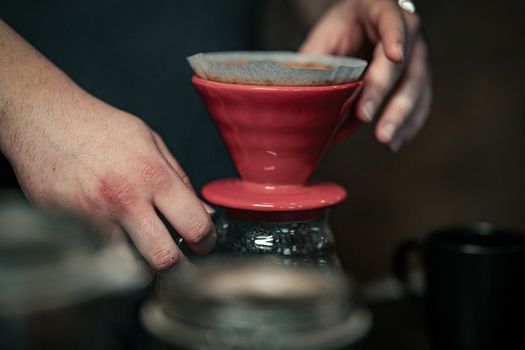
- Pour-over (e.g., Hario V60, Chemex): Water is poured in steady, controlled spirals, allowing even extraction and clarity of flavor. - AeroPress: Uses air pressure to brew a concentrated, smooth cup in under two minutes. - Siphon: A theatrical method that uses vacuum pressure and precise temperature control for a clean, aromatic brew.Water quality is also critical. The Specialty Coffee Association recommends water with a total dissolved solids (TDS) level of 75-250 ppm, as overly hard or soft water can mute flavors or cause bitterness.
Here’s a comparison of popular artisanal brewing methods:
| Method | Brewing Time | Grind Size | Flavor Profile | Skill Level |
|---|---|---|---|---|
| Pour-over (V60/Chemex) | 3–5 minutes | Medium | Clean, nuanced, bright | Intermediate |
| French Press | 4–6 minutes | Coarse | Rich, full-bodied | Beginner |
| AeroPress | 1–2 minutes | Fine-Medium | Concentrated, smooth | Beginner-Intermediate |
| Siphon | 6–8 minutes | Medium | Clean, aromatic, tea-like | Advanced |
| Espresso | 25–30 seconds | Fine | Intense, syrupy | Advanced |
The Role of Sensory Evaluation: Tasting and Refinement
A defining feature of artisanal coffee is the emphasis on sensory evaluation, or "cupping." This process involves systematically tasting brewed samples to assess aroma, flavor, acidity, body, and aftertaste. Professionals use the SCA cupping protocol, which scores coffees in categories like fragrance, flavor, balance, and sweetness.
During cupping:
- Tasters use a spoon to slurp coffee, aerating it to maximize flavor detection. - Coffees are compared side-by-side to identify subtle differences and evaluate consistency. - Feedback from cuppings informs future roasting and brewing adjustments.According to a 2022 SCA report, over 90% of specialty roasters use cupping as a critical quality control step. For home enthusiasts, guided tastings can develop sensory skills and deepen appreciation for how origin, processing, and preparation influence the cup.
The Human Touch: Craftsmanship and Community
While science, equipment, and data play significant roles, the heart of artisanal coffee is human craftsmanship. Baristas and roasters spend years honing their skills, developing intuitive understanding of variables that affect flavor. This pursuit of excellence has fostered vibrant local and global coffee communities.
Artisanal coffee shops often host public cuppings, workshops, and classes, inviting consumers to learn about origin stories, brewing techniques, and sensory evaluation. These communal experiences have helped fuel the growth of the specialty coffee market, which, according to the National Coffee Association, now accounts for over 60% of total U.S. coffee consumption as of 2023.
Direct relationships with farmers, transparency about sourcing practices, and a focus on education set artisanal coffee apart from mass-market options. This sense of connection—between producer, preparer, and consumer—transforms coffee from a commodity into a shared cultural experience.
Final Reflections on the Delicate Process of Artisanal Coffee
The journey from bean to cup in the world of artisanal coffee is meticulous and deeply intentional. Each stage—sourcing, roasting, grinding, brewing, tasting—demands expertise, patience, and a reverence for quality. The result is more than just a beverage; it’s an experience that celebrates craftsmanship, transparency, and community.
By understanding and appreciating the delicate process behind artisanal coffee, both beginners and seasoned enthusiasts can unlock deeper flavors and a richer appreciation for this beloved drink. Whether you’re sipping a floral Ethiopian pour-over or a robust Guatemalan espresso, know that every detail—down to the last gram and second—has been considered to create a truly exceptional cup.