Coffee is more than just a morning pick-me-up; it’s a fresh, aromatic, and complex world that delights millions daily. While many are familiar with the routine of brewing a cup, few pause to consider what truly makes coffee “fresh” and why it matters. The nuances of fresh coffee—from the bean’s journey to your cup to the variables that influence flavor and aroma—are both fascinating and essential to enjoying the best possible brew. In this guide, we’ll unpack the world of fresh coffee, exploring what sets it apart, why it matters, and how you can ensure every cup you drink is bursting with life and flavor.
What Does “Fresh Coffee” Really Mean?
When coffee enthusiasts talk about fresh coffee, they’re referring to more than just a recently brewed cup. Freshness in coffee is determined primarily by two factors: how recently the beans were roasted and how soon after grinding they are brewed. Coffee beans, once roasted, begin to lose their complex flavors and aromas due to oxidation and the gradual escape of volatile compounds that give coffee its unique characteristics.
According to the Specialty Coffee Association, coffee is at its peak freshness within 7 to 21 days after roasting. After this window, both whole beans and ground coffee begin to lose their vibrancy. Ground coffee, in particular, stales much faster—sometimes within just 15 minutes of grinding. This is why many coffee aficionados insist on whole bean purchases and grinding just before brewing.
.png)
Another crucial aspect is the storage of coffee. Exposure to light, oxygen, moisture, and heat accelerates the loss of freshness. That’s why the best coffee storage solutions are airtight, opaque containers kept in cool, dry places. Understanding this delicate balance is the first step in appreciating the world of fresh coffee.
The Science Behind Freshness: How Chemistry Shapes Your Cup
So, what happens at the molecular level as coffee ages? Freshly roasted coffee beans contain hundreds of volatile aromatic compounds. These compounds are responsible for the flavors and aromas that range from floral and fruity to nutty and chocolatey. When exposed to air, these compounds start to break down, resulting in a flat or stale taste.
Scientific studies have shown that coffee beans can lose up to 70% of their aromatic compounds within just two weeks after roasting if left exposed to air. Carbon dioxide (CO2), which is released during roasting, also plays a vital role. This gas helps push aromatic oils out during brewing, contributing to a rich crema and lively flavors. As beans age, CO2 dissipates, leading to a less vibrant cup.
Another important process is oxidation. Just like an apple browns when exposed to air, coffee’s flavorful oils oxidize quickly. This process not only dulls the taste but can introduce bitter or cardboard-like flavors. Therefore, minimizing oxygen exposure is key to preserving coffee’s freshness.
From Farm to Cup: The Impact of Freshness on Flavor
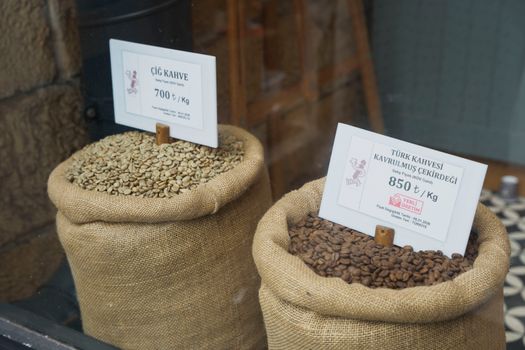
The journey of fresh coffee doesn’t begin at the roaster; it starts on the coffee farm. After harvesting, the beans (actually seeds of the coffee cherry) are processed, dried, and stored as green coffee. Green beans can remain stable for up to a year if stored properly, but once roasted, the clock starts ticking.
Freshness impacts every flavor note in your cup. For instance, Ethiopian coffees are renowned for their bright, fruity flavors—notes that are incredibly sensitive to staling. Similarly, Central American beans with chocolate and nutty profiles lose their complexity as they age. According to a 2020 study published in the Journal of Food Science, coffee brewed from beans roasted within the past week scored 18% higher in blind taste tests compared to beans roasted a month prior.
Freshness also affects mouthfeel and aroma. A fresh coffee will have a fuller body, a more pronounced crema (for espresso), and a bouquet of enticing aromas. Old coffee, on the other hand, tends to taste flat, thin, and dull, with muted aromas.
Comparing Freshness: Pre-Ground vs. Whole Bean Coffee
One of the most debated topics among coffee lovers is whether to buy pre-ground or whole bean coffee. The difference in freshness is significant, and it directly affects taste and aroma. Here’s a comparative overview:
| Aspect | Pre-Ground Coffee | Whole Bean Coffee |
|---|---|---|
| Time to Stale | 15 minutes to 24 hours after opening | 7-21 days after roasting |
| Flavor Complexity | Flattens quickly; limited notes | Retains complexity; vibrant notes |
| Aroma Strength | Loss of aroma within hours | Strong aroma for up to 2 weeks |
| Convenience | High: ready to brew | Medium: requires grinder |
| Cost | Often lower | Often higher, but better value per cup |
As the table shows, whole bean coffee is the clear winner for those prioritizing freshness. The slight inconvenience of grinding beans is outweighed by the significant improvement in cup quality.
Freshness at Home: Practical Tips for a Better Brew
Enjoying fresh coffee at home doesn’t require barista-level skills—it just takes a few mindful habits. Here’s how you can get the most out of your beans:
1. $1 Purchase only as much coffee as you’ll consume in 1-2 weeks. This ensures you’re always brewing with beans at their peak. 2. $1 Look for roasters who print the roast date on their packaging. Avoid coffee with only a “best by” date, as this can be misleading. 3. $1 Use airtight, opaque containers. Avoid clear jars and never store coffee in the fridge, as moisture and odors can ruin the flavors. 4. $1 Invest in a quality burr grinder. Grinding beans right before brewing preserves the delicate volatile compounds that make each cup special. 5. $1 Different brewing methods can highlight various aspects of fresh coffee. For example, a French press brings out body, while pour-over methods accentuate clarity and brightness.According to the National Coffee Association, 66% of Americans now drink coffee daily, and at-home coffee consumption has surged by 24% since 2020. With more people making coffee at home than ever before, understanding and maintaining freshness is key to elevating your daily ritual.
Fresh Coffee Trends: From Micro-Lots to Direct Trade
The pursuit of freshness is shaping trends in the coffee industry, from how coffee is sourced to how it’s packaged and delivered.
- $1 These are small batches of coffee, often from a single farm or plot, roasted to order and shipped fresh. Micro-lots highlight unique flavors and ensure maximum freshness. - $1 Increasingly, roasters are bypassing traditional importers to buy directly from farmers. This shortens the supply chain, meaning coffee spends less time in transit and arrives fresher. - $1 Companies like Trade Coffee and Blue Bottle Coffee deliver freshly roasted beans to your door, often within days of roasting. In 2023, the global coffee subscription market was valued at $685 million, and it’s projected to grow by 10.2% annually through 2028. - $1 Some brands now use nitrogen-flushed bags or one-way valve packaging to preserve freshness by minimizing oxygen exposure.These innovations are making it easier than ever for consumers to enjoy truly fresh coffee, no matter where they live.
Why Fresh Coffee Matters More Than Ever
With the global coffee market exceeding $100 billion in 2023 and specialty coffee consumption rising, the pursuit of freshness is more than a trend—it’s a movement. Fresh coffee not only tastes better but also supports higher standards in sourcing, roasting, and brewing. It encourages transparency in labeling and fosters direct relationships between growers, roasters, and drinkers.
Moreover, fresh coffee can transform your daily cup from a routine habit into a sensory experience. With each sip, you’re tasting a snapshot of time, terroir, and craftsmanship. Whether you’re a casual drinker or a passionate aficionado, understanding and prioritizing freshness is the key to unlocking the full potential of every bean.