Online coffee stores have exploded in popularity over the past decade. From global giants to boutique roasters, the digital marketplace offers a dizzying array of beans, blends, gadgets, and gear. Yet, beneath the surface of this thriving industry lies a vast and largely unexplored territory—an ecosystem of niche offerings, innovative business models, and hidden gems that often go unnoticed by the casual coffee shopper. As the world of coffee e-commerce continues to evolve, understanding these uncharted facets can unlock unique flavors, experiences, and opportunities for both consumers and entrepreneurs alike.
The Hidden World of Micro-Roasters and Single-Origin Specialists
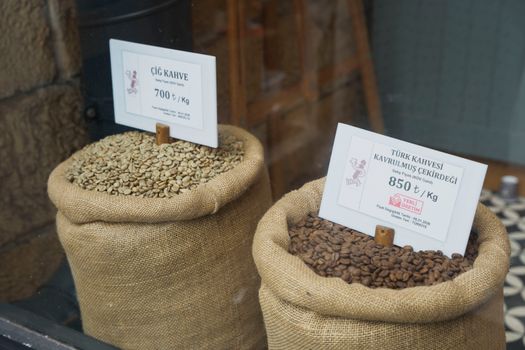
While many shoppers are familiar with the big names in online coffee—brands like Blue Bottle, Stumptown, or Lavazza—the true diversity of the digital coffee landscape is driven by a growing network of micro-roasters and single-origin specialists. These small-scale operations, often run by passionate coffee aficionados, source beans from specific farms or regions and roast them in tiny batches for optimal freshness and flavor.
According to the National Coffee Association, the number of independent coffee roasters in the US alone surpassed 1,200 in 2023. Many of these roasters operate online-only stores, bypassing traditional distribution channels. This model allows them to offer rare or limited-edition beans, such as Ethiopia's Gesha variety, which can fetch prices upwards of $50 per pound due to its unique floral notes and scarcity.
.png)
Single-origin coffee—beans sourced from one country, region, or even a single farm—has become a hallmark of quality and transparency. Online stores specializing in single-origin options often provide detailed information about the growers, harvest dates, and processing methods. This level of traceability is rarely matched by supermarket brands, offering consumers a direct connection to the source and story of their cup.
Innovative Subscription Models and Personalized Coffee Experiences
One of the most dynamic trends in the unexplored territory of online coffee stores is the rise of customized subscription services. Moving beyond the simple "coffee of the month" clubs of the past, modern platforms use sophisticated algorithms and quizzes to tailor shipments to individual taste profiles.
For example, companies like Trade Coffee and Mistobox collect user preferences on flavor notes, roast levels, and brewing methods. Each shipment is curated based on this data, with regular feedback loops that refine future selections. In 2023, market research by Statista showed that 28% of online coffee buyers in the US had tried a coffee subscription service, and customer retention rates for personalized plans exceeded 60%—much higher than generic box subscriptions.
Some online stores take personalization even further, offering options to grind beans to a specific coarseness, select eco-friendly packaging, or schedule deliveries according to the customer’s consumption rate. This tailored approach not only enhances customer satisfaction but also opens the door for niche offerings—such as decaf micro-lots, rare origins, or even experimental processing techniques like anaerobic fermentation.
Direct Trade, Sustainability, and Ethical Sourcing: Beyond Fair Trade
While Fair Trade certification has long been the gold standard for ethical coffee, a growing number of online stores have moved beyond this model, adopting direct trade and transparent sourcing as core values. Direct trade involves establishing direct relationships between roasters and coffee growers, often resulting in higher prices paid to farmers and greater quality control.
A 2022 report by Transparency Coffee Initiative found that direct trade transactions can pay growers up to 25% more than Fair Trade minimums. Online coffee stores leveraging this model often publish transparency reports, listing exactly how much was paid to farmers and outlining the impact on local communities.
Additionally, many of these stores invest in sustainability initiatives such as carbon-neutral shipping, compostable packaging, and supporting reforestation projects in coffee-growing regions. For eco-conscious consumers, these unexplored online options represent a way to enjoy premium coffee while making a positive impact.
Emerging Coffee Technologies and Digital Experiences
The unexplored territory of online coffee stores isn’t limited to beans and blends. Technology is transforming how customers discover, purchase, and enjoy coffee. Augmented reality (AR) apps, for instance, are being integrated into some online stores to allow users to visualize coffee equipment in their kitchens before buying. Others are experimenting with virtual coffee tastings, where customers receive sample kits and join live cuppings with expert roasters via video call.
Blockchain is also making inroads, enabling end-to-end traceability of coffee beans from farm to cup. In 2023, IBM Food Trust reported that over 250,000 bags of specialty coffee were tracked using blockchain, allowing customers to verify the authenticity and ethical credentials of their purchase with a simple QR code scan.
Another frontier is the use of AI-powered recommendation engines, which analyze customer data, reviews, and brewing preferences to suggest new beans or gear. This level of personalization and engagement is unique to the online environment, offering a data-driven shopping experience that brick-and-mortar stores can rarely match.
Comparing Online Coffee Store Experiences: A Data Overview
To better understand the unexplored territory of online coffee stores, it’s helpful to compare the features and offerings of different types of platforms. The following table highlights key aspects of three common models: mainstream retailers, specialty micro-roasters, and tech-driven subscription services.
| Feature | Mainstream Retailers | Specialty Micro-Roasters | Tech-Driven Subscription Services |
|---|---|---|---|
| Bean Variety | Wide, but often blends and commodity beans | Rare, single-origin, limited edition | Curated, often from multiple micro-roasters |
| Traceability | Basic (country or region only) | High (farm, harvest, processing details) | Very high, sometimes blockchain-enabled |
| Personalization | Minimal | Custom roasting/grinding on request | Algorithm-driven, tailored subscriptions |
| Sustainability | Some Fair Trade or organic options | Direct trade, eco-packaging, local projects | Eco-friendly options, carbon-neutral shipping |
| Customer Engagement | Standard e-commerce | Direct contact with roasters, education | Interactive quizzes, virtual tastings |
| Price Range (per lb.) | $10-$20 | $18-$50+ | $16-$40 (varies by subscription) |
The Untapped Market for Coffee-Related Goods and Experiences
While beans and grounds are the main draw, online coffee stores are increasingly branching out into complementary products and experiences. This includes:
- Coffee brewing equipment (grinders, pour-over kits, espresso machines) - Branded merchandise (mugs, shirts, art prints) - DIY coffee kits and educational resources (home roasting tools, brewing guides) - Coffee-themed gifts and subscription boxesAccording to a 2023 survey by the Specialty Coffee Association, 39% of online coffee store customers purchased at least one non-coffee item during their last transaction. Online platforms are ideally positioned to cross-sell these goods, often offering exclusive collaborations with artists, local businesses, or even chocolate makers.
Experiential offerings are also on the rise. Some stores now provide virtual barista lessons, guided tastings, and access to members-only forums or events. These community-focused features foster loyalty and create a sense of belonging—key differentiators in a crowded digital market.
Final Thoughts on the Unexplored Territory of Online Coffee Stores
The world of online coffee stores is far richer and more diverse than most consumers realize. From micro-roasters championing rare origins to tech-enabled subscriptions that anticipate your every craving, the digital coffee landscape is evolving at a rapid pace. Sustainability initiatives, direct trade transparency, and immersive digital experiences are just a few of the innovations shaping the future of coffee e-commerce.
For adventurous coffee lovers and curious newcomers alike, exploring these lesser-known corners of the online coffee world can yield not just better beans, but a deeper appreciation for the craft, culture, and community that make coffee so beloved.