Coffee is more than just a morning ritual; it's a science and an art form that brings together water, heat, chemistry, and craftsmanship. Behind each cup lies a fascinating journey of transformation, where humble coffee grounds become an aromatic, flavorful beverage enjoyed by billions of people worldwide. But how does the coffee brewing process actually work? Let’s take a deep dive into the mechanics, chemistry, and nuances that make coffee brewing such a remarkable process.
The Science Behind Coffee Extraction
At its core, the coffee brewing process is all about extraction—the process of dissolving desirable flavors and compounds from ground coffee beans into water. When hot water meets ground coffee, it acts as a solvent, pulling out a complex mix of oils, acids, sugars, and aromatic compounds.
Several factors influence extraction:
- $1 The optimal range is 195°F to 205°F (90°C to 96°C). Water that's too hot can extract bitter compounds; too cold, and the result is flat or sour. - $1 Extraction time varies by method—from less than 30 seconds for espresso to 4 minutes for a French press. - $1 Finer grinds expose more surface area, speeding up extraction. Coarser grinds slow it down. - $1 Standard ratios range from 1:15 to 1:18 (1 gram of coffee per 15-18 grams of water), but this can be adjusted for taste.During brewing, water first extracts bright, acidic, and sweet flavors. If brewing continues, it pulls out heavier, more bitter compounds. The goal is to balance these elements for a harmonious cup.
.png)
Step-by-Step: What Happens During Brewing?
To appreciate the complexity of the coffee brewing process, it helps to break it down into its main stages:
1. $1 Hot water initially saturates the coffee grounds, causing them to swell and release trapped gases, primarily carbon dioxide. This is often visible as a "bloom" in methods like pour-over. 2. $1 Soluble compounds—such as sugars, acids, and caffeine—begin to dissolve into the water. 3. $1 As water moves through the grounds, it continues to dissolve and transport flavor compounds. 4. $1 The resulting brewed liquid is separated from the grounds, either through a paper filter, metal mesh, or pressure.For example, in a French press, the grounds steep in water for several minutes, then are separated by plunging a mesh filter. In espresso, high pressure forces hot water through compacted grounds in under 30 seconds.
Comparing Popular Brewing Methods: Extraction in Action
Different brewing methods manipulate the variables of temperature, time, pressure, and grind size to create distinct flavor profiles. Here’s a comparison of four popular methods:
| Brewing Method | Typical Coffee-to-Water Ratio | Water Temperature | Grind Size | Brew Time | Flavor Profile |
|---|---|---|---|---|---|
| Espresso | 1:2 | 194-204°F | Fine | 25-30 sec | Intense, concentrated, crema-topped |
| French Press | 1:15 | 200°F | Coarse | 4 min | Full-bodied, thick, strong |
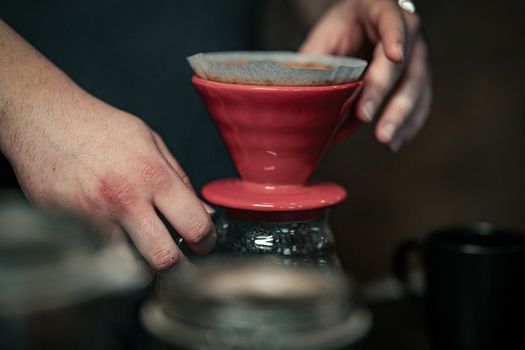
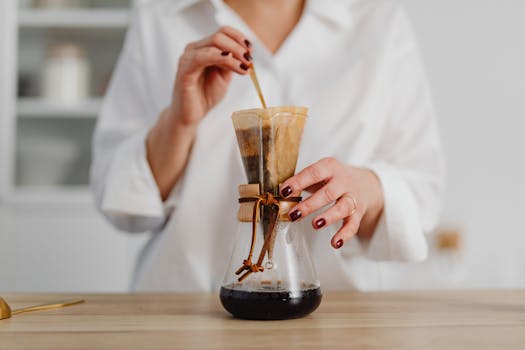
| Pour-Over | 1:16 | 195-205°F | Medium | 3-4 min | Clean, nuanced, aromatic |
| Cold Brew | 1:8 (concentrate) | Room temp/cold | Coarse | 12-24 hrs | Smooth, low-acidity, mellow |
As shown above, espresso uses high pressure and short times for a concentrated shot, while French press relies on immersion and longer steeping for a robust cup. Pour-over methods highlight subtle flavors with precision, and cold brew delivers a smoother, less acidic drink by steeping grounds in cold water for hours.
The Role of Water Chemistry in Brewing
Water isn’t just a neutral vehicle in coffee brewing—it’s a powerful ingredient that can make or break your cup. Since coffee is roughly 98% water, its mineral content, pH, and chemical composition significantly shape the final taste.
- $1 Calcium and magnesium ions help extract flavorful compounds. Studies show that water with 50-175 ppm (parts per million) of total dissolved solids is ideal. - $1 Neutral to slightly acidic water (pH 6.5-7.5) is best for balanced extraction. - $1 These can introduce off-flavors. Many specialty cafes use filtered or reverse osmosis water for consistency.For example, a 2016 study published in the Journal of Agricultural and Food Chemistry found that magnesium-rich water enhances the extraction of coffee flavor compounds more effectively than calcium-rich water. That’s why coffee brewed in different cities—New York versus Seattle, for instance—can taste noticeably different even with the same beans and equipment.
Grind Size and Its Crucial Impact
The grind size of your coffee is a vital factor that dictates how quickly and efficiently water can extract flavor. Here’s why:
- $1 = more surface area = faster extraction. - $1 = less surface area = slower extraction.Using the wrong grind size for your chosen brewing method can lead to over-extraction (bitter, harsh flavors) or under-extraction (sour, weak flavors). For instance, espresso demands a fine grind to allow for rapid extraction under pressure, while French press requires a coarse grind to prevent over-extraction during its longer steep time.
A 2020 experiment by the Specialty Coffee Association found that matching grind size to brew method increases extraction yield by up to 15%, directly impacting sweetness, acidity, and aroma.
Innovations and Trends in Coffee Brewing
The world of coffee brewing is constantly evolving, driven by a quest for better flavor and convenience. Recent years have seen several groundbreaking developments:
- $1 Devices like the Breville Precision Brewer or the Ratio Six use temperature control, programmable bloom phases, and variable flow rates for consistent extraction. - $1 Over 40% of U.S. households now own a single-serve coffee maker (NCA, 2023), streamlining the brewing process for convenience. - $1 App-connected machines allow users to schedule brews and customize recipes from their smartphones. - $1 Pour-over, AeroPress, and siphon brewing are gaining popularity among enthusiasts for their ability to highlight subtle bean characteristics.These innovations cater to both casual drinkers seeking convenience and aficionados chasing the perfect cup.
The Art and Science of Coffee Brewing: Why Process Matters
The coffee brewing process is a delicate balance of science, technique, and personal preference. Every variable—from water chemistry to grind size—shapes the extraction of hundreds of flavor compounds, affecting sweetness, acidity, bitterness, and aroma. Mastering the brewing process enables you to unlock the full potential of your beans, whether you crave a bright, floral pour-over or a rich, syrupy shot of espresso.
Ultimately, understanding how brewing works empowers you to experiment and refine your own coffee experience. As you tweak water temperature, grind size, or brew time, you'll discover new dimensions in each cup—making every morning a mini adventure in flavor.