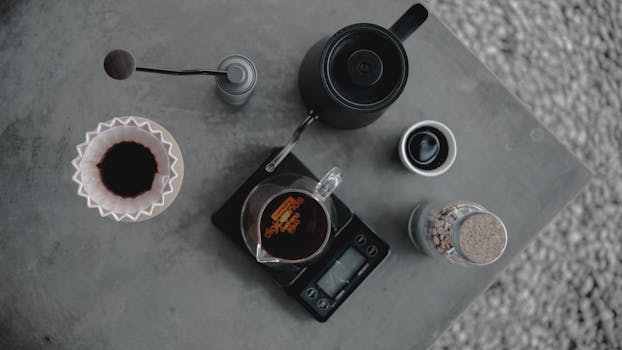
The Art of Brewing Perfect Coffee at Home: Mastering Technique, Tools, and Ritual
Few daily rituals are as cherished as making and savoring a cup of coffee at home. Beyond simply pouring hot water over grounds, brewing perfect coffee is a blend of science, artistry, and personal style. Whether you seek a sensory experience or want to impress guests with your barista skills, understanding the nuances of home coffee brewing can elevate your mornings and transform your appreciation for this beloved beverage. In this guide, we’ll dive into the essential elements that define the art of brewing perfect coffee at home, from fine-tuning your technique to exploring the role of timing, temperature, and even the atmosphere in your kitchen.
The Foundations: Understanding Coffee Extraction and Flavor
At the heart of every great cup of coffee is the process of extraction. Extraction refers to dissolving desirable compounds from the coffee grounds into water. The key to perfection lies in striking a balance, as under-extraction yields sour, weak flavors while over-extraction leads to bitterness.
The science is clear: most coffee experts agree that the ideal extraction yields 18-22% of the coffee’s solubles. According to the Specialty Coffee Association (SCA), a 20% extraction rate typically produces the most flavorful and balanced cup. Achieving this sweet spot depends on multiple variables — grind size, water temperature, brew time, and even agitation.
.png)
For example, finer grinds increase the surface area in contact with water, speeding up extraction but risking bitterness if overdone. Coarser grinds, on the other hand, may result in weak, under-extracted coffee. Water temperature also plays a pivotal role: the SCA recommends brewing at 195-205°F (90-96°C), as temperatures below this range can under-extract, while hotter water pulls out excessive bitter compounds.
Understanding these foundational elements gives you the power to fine-tune your brew, regardless of your preferred device.
Choosing the Right Brewing Method for Your Taste and Lifestyle
Selecting the perfect brewing method is both a matter of taste and practicality. Each method brings out unique qualities in coffee and fits different routines. Here’s a comparative overview of the most popular home brewing techniques:
| Method | Flavor Profile | Brewing Time | Pros | Cons |
|---|---|---|---|---|
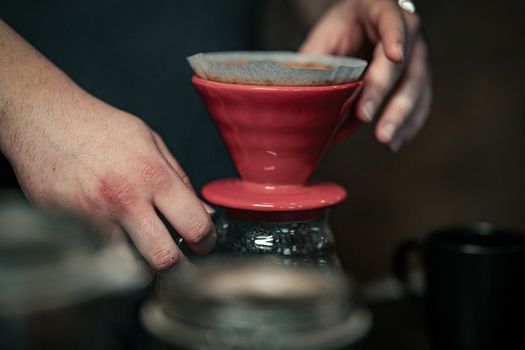
| Pour-Over (e.g., Hario V60, Chemex) | Clean, nuanced, highlights origin flavors | 3-5 minutes | Precision, control, visually appealing | Requires attention, learning curve |
| French Press | Full-bodied, rich, oily | 4-5 minutes | Simple, robust flavor, no paper filters | Some sediment, less clarity |
| AeroPress | Versatile, concentrated or light | 1-2 minutes | Quick, portable, easy cleanup | Single cup, manual pressure |
| Automatic Drip Machine | Consistent, mild | 5-10 minutes | Convenient, makes multiple cups | Less control, quality varies by machine |
| Moka Pot | Strong, espresso-like | 5 minutes | Stovetop, affordable, rich taste | Risk of bitterness, practice needed |
According to a 2023 National Coffee Association (NCA) report, 41% of Americans use drip coffee makers at home, while manual methods like pour-over and French press are increasingly popular among enthusiasts seeking a more hands-on experience.
The Role of Freshness: Coffee Beans, Storage, and Grinding
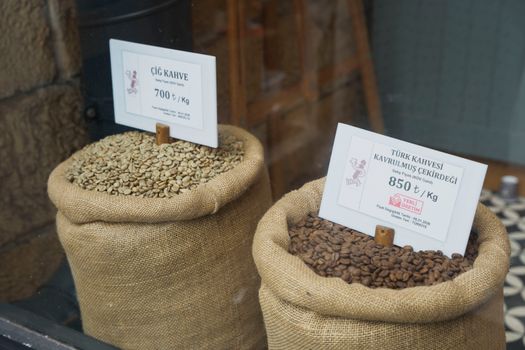
If you want to brew truly exceptional coffee at home, freshness is non-negotiable. Coffee begins to lose its aromatic compounds and flavors within days of roasting and even more rapidly after grinding. Here’s how to maximize freshness at every step:
1. $1 Always purchase whole beans rather than pre-ground coffee. Whole beans retain flavor longer; ground coffee loses up to 60% of its aroma within 15 minutes, according to research by the Coffee Chemistry Association. 2. $1 Invest in a quality burr grinder for even, consistent particle size. Blade grinders produce uneven grinds that lead to inconsistent extraction. 3. $1 Store beans in an airtight, opaque container away from light, heat, and moisture. Avoid refrigeration, as fluctuating temperatures introduce condensation and degrade flavor. 4. $1 Seek out coffee roasters who clearly display roast dates. Aim to use beans within 2-4 weeks of roasting for optimal flavor.A simple change in any of these steps can yield noticeable improvements in your daily cup.
Water Matters: The Often-Overlooked Ingredient
Water makes up 98-99% of brewed coffee, making its quality and composition critical to the final taste. While many focus on beans and equipment, water’s mineral content, pH, and purity shape extraction and flavor clarity.
- $1 The SCA recommends water with a total dissolved solids (TDS) level of 75-250 ppm for optimal extraction. Too soft (low-mineral) water can lead to flat, underwhelming coffee, while hard water causes over-extraction and muddled flavors. - $1 The ideal pH for brewing is around 7.0 (neutral). Water that is too acidic or alkaline can distort the natural flavors of your beans. - $1 If your tap water tastes good on its own, it’s likely fine for brewing. Otherwise, consider using a carbon filter or spring water. According to a 2022 survey by the Water Quality Association, 65% of Americans use some form of home water filtration, reflecting growing awareness of its impact on beverage quality.Experimenting with different water sources can dramatically change the character of your coffee, sometimes even more than changing beans.
Perfecting Technique: Timing, Agitation, and Ritual
Mastering the technical aspects of coffee brewing takes practice and attention to detail, but it’s also about cultivating a mindful ritual that enhances enjoyment. Here are some advanced tips for refining your process:
- $1 Use a timer to control brew duration precisely. For pour-over, a typical recipe is 1:16 coffee-to-water ratio brewed over 3-4 minutes. French press calls for a 4-minute steep before plunging. - $1 Stirring or swirling grounds during brewing ensures even extraction. With pour-over, gently swirl the dripper after pouring water to eliminate dry spots. - $1 Pour a small amount of hot water over grounds and let them “bloom” for 30-45 seconds. This releases trapped gases and allows for better extraction. - $1 Keep notes on your recipes and tweak one variable at a time to isolate changes in flavor.But beyond technical prowess, the ritual itself — from grinding beans to pouring water with intention — transforms coffee brewing into a mindful, centering practice. Many coffee aficionados describe this meditative approach as key to unlocking deeper enjoyment and satisfaction from each cup.
Personalizing Your Brew: Experimentation and Sensory Exploration
One of the true joys of brewing coffee at home is the freedom to experiment. Coffee is a complex beverage, with over 800 aromatic compounds contributing to its flavor — more than wine. Here are ways to personalize your brew:
- $1 Single-origin beans from Ethiopia, Colombia, or Kenya each offer distinct taste profiles. For instance, Ethiopian coffees often deliver bright fruit and floral notes, while Colombian beans are celebrated for their caramel sweetness. - $1 The standard 1:16 coffee-to-water ratio is a starting point. Try 1:15 for a stronger brew or 1:17 for a lighter cup. - $1 Alternate between pour-over, French press, or AeroPress to experience how each method brings out different flavors in the same beans. - $1 Note aromas, flavors, and mouthfeel. Over time, you’ll develop a deeper palate and discover your preferences.According to a 2023 survey by Coffee Review, 72% of home brewers said they experiment with new beans or brewing techniques at least once a month, reflecting the spirit of discovery that defines the modern coffee movement.
Final Thoughts on Brewing the Perfect Coffee at Home
Brewing perfect coffee at home is a rewarding journey that combines precision, passion, and creativity. By understanding extraction, choosing the right method for your lifestyle, prioritizing freshness and water quality, and continually refining your technique, you can transform your daily cup into an extraordinary experience. Remember, perfection in coffee is personal — the best cup is the one that brings you joy. Embrace experimentation, savor the process, and let each cup reflect your unique taste and ritual.