The Art of Latte: How to Make Coffee Shop Quality Drinks at Home
Few experiences rival the pleasure of holding a beautifully crafted latte—smooth espresso, creamy steamed milk, and delicate art swirled on top. For many, this signature coffee shop beverage is a daily treat. But what if you could recreate that barista-level magic right in your own kitchen? With the right techniques, tools, and understanding, making coffee shop quality lattes at home is not just possible—it’s genuinely achievable and deeply rewarding.
This guide will take you beyond basic recipes. You’ll discover the science behind espresso extraction, milk texture, latte art, and even how to personalize your drink like a pro. Whether you’re a passionate home barista or a curious beginner, you’ll learn how to elevate your morning ritual and impress friends and family with café-worthy creations.
The Foundations: What Makes a Latte Exceptional?
A traditional latte, or "caffè latte," is a harmonious blend of espresso and steamed milk, typically in a 1:3 to 1:5 ratio. But what truly sets a professional-grade latte apart is the balance of flavors, the mouthfeel, and the visual presentation. According to the National Coffee Association, 42% of American coffee drinkers prefer milk-based espresso beverages, highlighting the latte's wide appeal.
.png)
Key elements of a great latte include:
- $1 A double shot (about 2 ounces) of freshly brewed espresso serves as the base. The beans’ freshness, grind size, and extraction time all influence the final flavor. - $1 Steamed milk should be velvety and microfoamed, not simply hot and frothy. The goal is a creamy, almost paint-like texture. - $1 While not essential to taste, artful presentation enhances the experience and demonstrates mastery over milk texture and pouring technique.In 2023, the Specialty Coffee Association (SCA) reported that 28% of home coffee drinkers invested in better equipment to improve their milk-based coffee drinks. This data underscores the growing enthusiasm for crafting quality lattes at home.
Espresso at Home: Machines, Methods, and Mastery
The heart of every latte is espresso. While coffee shops use commercial machines costing thousands, home baristas have a range of options, each with its own learning curve and results.
| Espresso Method | Price Range | Pros | Cons |
|---|---|---|---|
| Manual Espresso Machine | $300–$2000 | Full control, authentic extraction, best flavor | Requires skill, maintenance, higher cost |
| Automatic Espresso Machine | $400–$2500 | Convenience, consistency, quick | Less control, expensive, can be bulky |
| Stovetop Moka Pot | $20–$80 | Affordable, easy to use, rich brew | Not true espresso, limited crema |
| Capsule Machine (e.g., Nespresso) | $80–$500 | Simple, low-maintenance, quick | Less nuanced flavor, recurring capsule cost |
For true espresso, a dedicated espresso machine is ideal, but Moka pots and capsule systems can still produce a strong, satisfying base for lattes. The crucial factors are:
- $1 Coffee loses 60% of its aroma within 15 minutes of grinding. - $1 Fine and even for espresso, slightly coarser for Moka pots. - $1 Aim for a 25–30 second shot for balanced flavor.Practicing the grind, dose, and tamping technique is essential. Many home baristas use a kitchen scale to weigh coffee and water, ensuring consistency cup after cup.
The Secret to Perfect Milk: Steaming and Frothing Techniques
Milk texture is where most home latte attempts fall short. Professional baristas use steam wands to create microfoam—a glossy, velvety milk with tiny bubbles. This texture blends seamlessly with espresso and is key for latte art.
Here’s how to approach milk steaming, even if you don’t have a professional machine:
1. $1 Whole milk creates the creamiest texture due to its fat content (3.25%). Plant-based milks formulated for baristas (like oat or almond) can also microfoam well. 2. $1 Start with cold milk in a chilled pitcher for more steaming time and finer bubbles. 3. $1 Submerge the steam wand just below the surface to introduce air, creating a gentle hissing sound. Once the milk expands by about 30%, submerge the wand deeper to heat without adding more air. 4. $1 Stop steaming at 150°F (65°C). Milk overheated beyond 160°F (71°C) loses sweetness and becomes flat. 5. $1 Use a French press, handheld frother, or shake milk in a jar and microwave it. While not as ideal, these methods can still produce decent foam.A 2022 study from The Journal of Dairy Science showed that milk proteins denature above 170°F, impacting taste and texture—so precision matters!
Latte Art: Transforming Your Cup into a Canvas
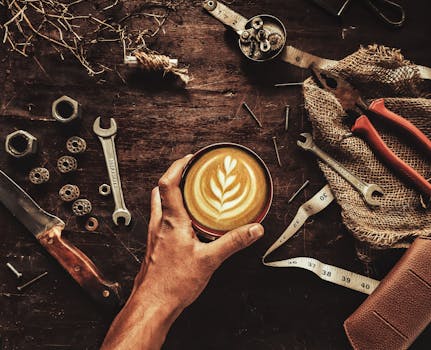
Latte art isn’t just for Instagram; it’s a sign of perfect milk texture and barista skill. Even simple designs can make homemade lattes feel special.
Basic steps to create latte art at home:
1. $1 Freshly pulled espresso should have a golden crema on top. 2. $1 After steaming, tap the pitcher on the counter and swirl to eliminate large bubbles and unify the texture. 3. $1 Begin pouring milk slowly from a few inches above the cup, then bring the pitcher closer as you fill. For a heart, wiggle the pitcher gently and finish with a quick pull through the center. 4. $1 Don’t be discouraged—baristas spend months perfecting their pour. Even a simple white dot is a sign you’re on the right track.According to a 2021 survey by Coffee Affection, 63% of home coffee drinkers said latte art made their drinks feel more indulgent, even when self-made.
Customizing Your Latte: Flavors, Sweeteners, and More
One of the joys of making lattes at home is tailoring them to your taste. Coffee shops offer a variety of syrups and toppings, but you can easily create your own customizations:
- $1 Simmer equal parts sugar and water, then add vanilla, cinnamon, or hazelnut extract for classic flavors. - $1 Try pumpkin spice in autumn or a dash of peppermint extract during winter. - $1 Honey, maple syrup, or stevia blend well with lattes. - $1 A dusting of cocoa, cinnamon, or shaved chocolate adds both aroma and visual appeal.Experimenting with different milks also changes the flavor. Oat milk, for example, has grown by 170% in sales from 2019 to 2023, reflecting a massive shift in consumer preferences.
Pro Tips for Elevating Your Home Latte Game
1. $1 A burr grinder, stainless steel milk pitcher, and kitchen scale can dramatically improve consistency and results. 2. $1 Milk residue and coffee oils can build up quickly, affecting taste. Clean your machine and tools after every use. 3. $1 98% of a latte is water. Using filtered water prevents off-flavors and limescale buildup. 4. $1 A warm cup keeps your latte hot longer and helps preserve the crema. 5. $1 There are countless online tutorials and latte art challenges. Join a community or share your progress on social platforms for feedback and inspiration.Conclusion
Mastering the art of the latte at home transforms a daily habit into a creative, satisfying ritual. With attention to detail—from selecting beans to steaming milk and pouring art—anyone can achieve coffee shop quality drinks in their own kitchen. The investment in equipment and practice pays off not just in taste, but in the joy of crafting something beautiful and delicious. As home coffee culture continues to rise, there’s never been a better time to elevate your latte game and savor a truly excellent cup without leaving your front door.