Mastering the Artisanal Coffee: A Detailed Review
Artisanal coffee has surged in popularity over the last decade, transforming daily routines into rich, sensory experiences. No longer is coffee just a morning pick-me-up—it's a craft, a culture, and, for many, a passion. The journey from green bean to perfectly extracted cup involves a complex interplay of skill, science, and art. But what truly sets artisanal coffee apart from the rest? In this detailed review, we’ll explore what makes artisanal coffee unique, the elements that define its mastery, and how enthusiasts and newcomers alike can deepen their appreciation for this elevated brew.
Defining Artisanal Coffee: Beyond the Bean
Artisanal coffee is more than just a buzzword—it's a philosophy centered on quality, transparency, and craftsmanship at every step of the coffee production process. Unlike mass-produced coffee, which prioritizes volume and consistency, artisanal coffee is rooted in small-batch production, direct relationships with farmers, and a relentless pursuit of flavor.
Some key characteristics distinguish artisanal coffee:
- $1 Artisanal producers often source beans from a single region, farm, or even specific lot, allowing unique terroir-driven flavors to shine. According to the Specialty Coffee Association (SCA), over 60% of artisanal roasters now offer single-origin coffees, compared to less than 25% a decade ago. - $1 Many artisanal brands prioritize direct or fair trade relationships, ensuring producers are paid above-market rates. This not only supports sustainable livelihoods but also motivates higher quality cultivation. - $1 Roasting is typically performed in small batches, with artisan roasters using their senses—sight, smell, sound—to make real-time adjustments. This contrasts with industrial roasting, which is often automated and impersonal. - $1 Artisanal coffee shops and enthusiasts continually experiment with pour-over, siphon, Chemex, Aeropress, and other manual brewing methods, each offering distinct flavor profiles.In short, artisanal coffee is an intentional product, shaped by choices at every step, from farm to cup.
.png)
The Journey: From Farm to Roaster
Every exceptional cup of artisanal coffee begins with dedicated farmers. The journey starts in coffee-growing regions such as Ethiopia, Colombia, and Guatemala, where microclimates and altitudes influence bean quality. According to the International Coffee Organization, over 70% of the world’s coffee is produced by smallholder farmers—many of whom supply artisanal roasters.
Key aspects of the farm-to-roaster journey include:
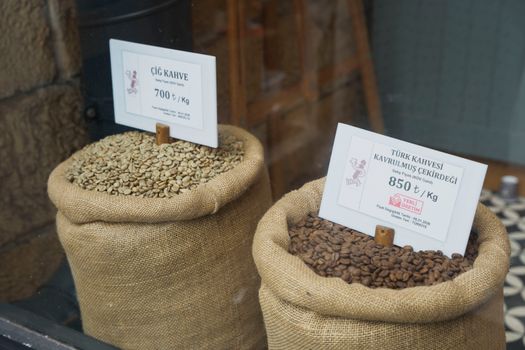
- $1 Artisanal farms often handpick only ripe cherries, sacrificing volume for uniformity and sweetness. This meticulous process can increase labor costs by up to 30% but yields a superior product. - $1 The method used to remove the cherry from the bean—washed, natural, honey-processed—greatly affects flavor. For example, natural processing, popular in Ethiopia, imparts fruity, wine-like notes. - $1 Artisanal roasters demand traceability, often knowing the farmer by name. This not only ensures quality control but also fosters long-term partnerships.Once beans arrive at the roastery, they’re carefully evaluated for moisture content, density, and defects. Only the top 10-15% of beans, known as specialty grade, make the cut for artisanal roasting.
The Art and Science of Roasting
Roasting is where raw potential transforms into aromatic brilliance. Artisanal roasters often work in small batches of 5-15 kg, tracking temperature curves and adjusting airflow in real time. The goal: unlock the beans’ inherent flavors without introducing bitterness or burn.
A few key roasting profiles:
- $1 Preserves acidity and origin characteristics. Popular for single-origin coffees from Africa and Central America. - $1 Balances acidity, body, and sweetness. Often preferred for Latin American coffees. - $1 Emphasizes body and bittersweet notes. Less common in the artisanal world but used for specific espresso blends.Roasters use specialized equipment—like Probat or Diedrich machines—and often rely on sensory cues. For example, the “first crack” (an audible popping sound) signals that sugars are caramelizing and the bean structure is expanding. Timing the roast just right can mean the difference between floral, nuanced notes and flat, overdeveloped flavors.
Statistics from the SCA show that over 80% of artisanal roasters perform manual quality checks and cuppings weekly, ensuring consistency and excellence.
Brew Methods: Showcasing Artisanal Flavors
Artisanal coffee shines brightest when brewed with care. Manual brewing methods allow for precise control over extraction variables—grind size, water temperature, brew time, and agitation—all of which influence the final cup.
Here’s a comparison of popular artisanal brew methods:
| Method | Ideal Grind | Brewing Time | Flavor Profile | Popularity (%) |
|---|---|---|---|---|
| Pour-Over (V60/Chemex) | Medium-Fine | 3-5 min | Clean, bright, complex | 58% |
| French Press | Coarse | 4-6 min | Full-bodied, rich | 22% |
| Aeropress | Fine-Medium | 1-2 min | Versatile, smooth | 12% |
| Siphon | Medium | 6-8 min | Tea-like, delicate | 5% |
| Espresso | Fine | 25-30 sec | Concentrated, intense | 3% |
(Data reflects a 2023 survey of artisanal coffee drinkers in North America.)
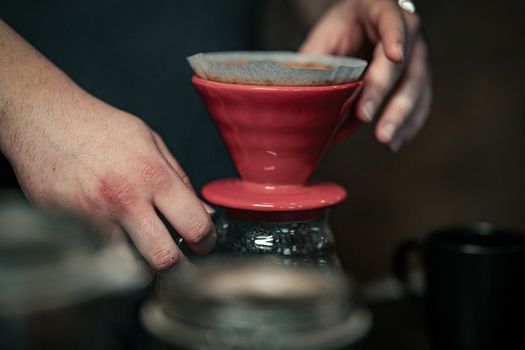
Each method has its enthusiasts, but pour-over dominates due to its ability to highlight subtle flavors and aromas. Coffee competitions like the World Brewers Cup often feature this method for its clarity and control.
Tasting Notes: Evaluating Artisanal Coffee Quality
Tasting—or “cupping”—is essential to the artisanal coffee experience. It’s how professionals and enthusiasts alike evaluate aroma, flavor, body, acidity, and aftertaste. The SCA scoring system rates coffees on a 100-point scale, with 80+ points qualifying as “specialty coffee.”
During a typical cupping session:
- Ground coffee is steeped in hot water. - Tasters use a spoon to “slurp” the brew, aerating it for maximum flavor perception. - Notes are recorded: Is the acidity bright and citrusy? Does the finish linger with chocolate or spice?Some remarkable single-origin coffees from recent years include:
- $1 Noted for jasmine, lemon, and bergamot. SCA score: 87. - $1 Famous for its floral aroma and tea-like body. SCA score: 92. - $1 Rich caramel and red berry notes. SCA score: 86.Transparency in cupping results is a hallmark of the best artisanal roasters—many publish their scores and tasting notes online.
Artisanal Coffee Culture: Community and Sustainability
Artisanal coffee isn’t just about flavor—it’s about connection. Coffee shops and roasteries foster communities of enthusiasts who share brewing tips, attend public cuppings, and build relationships around a shared love of craft coffee.
Sustainability is also a core value. Over 75% of artisanal coffee companies in a 2022 SCA report have active environmental initiatives, such as:
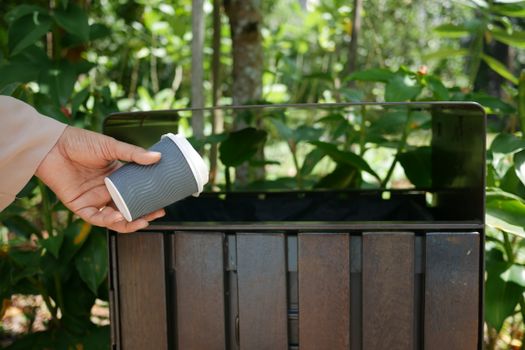
- $1 - $1 - $1 - $1This ethical approach ensures that the pursuit of flavor does not come at the expense of people or the planet.
Final Thoughts on Mastering Artisanal Coffee
Mastering the world of artisanal coffee is a rewarding journey—one that invites curiosity, experimentation, and a commitment to quality. Whether you’re a home brewer eager to refine your pour-over technique or a seasoned taster exploring new single-origin releases, artisanal coffee offers endless avenues for discovery.
The rise of artisanal coffee has elevated standards across the industry, inspiring transparency, sustainability, and a genuine appreciation for the people and places behind each cup. As more consumers seek out authentic, hand-crafted experiences, the artistry of coffee will only continue to flourish.